| Hydraulic Guillotine Shear |
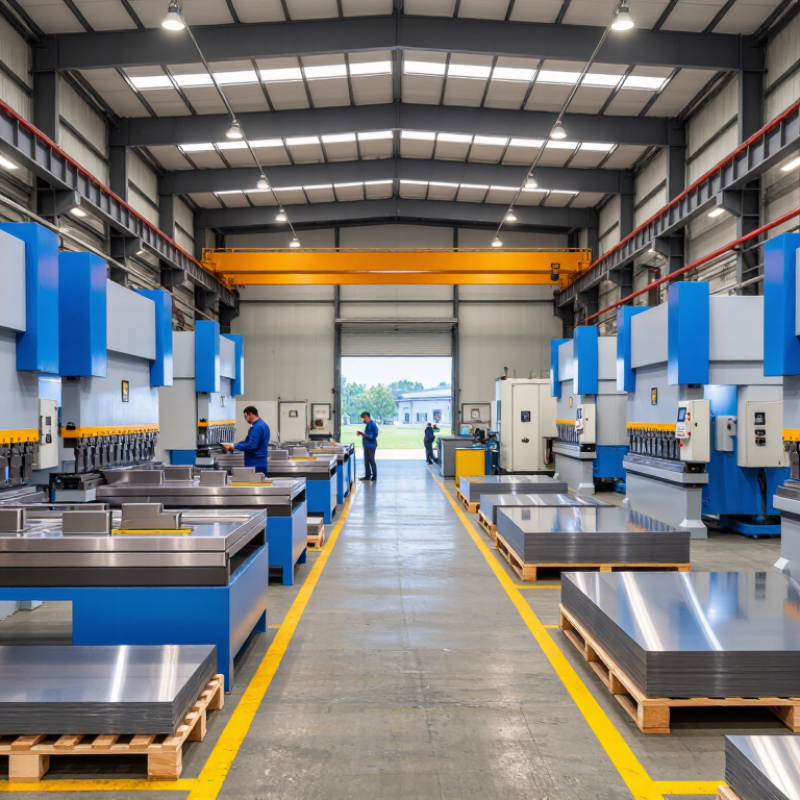
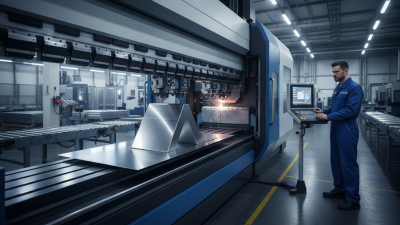
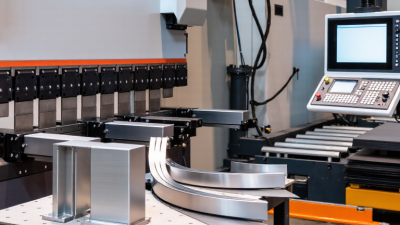
A hydraulically driven upper blade moves vertically or with a slight rake angle against a fixed lower blade. |
Approximately 6–25 mm mild steel, depending on machine size |
Carbon steel, stainless steel, galvanized steel, aluminum and other sheet metals |
2,500–6,000 mm |
Motorized or CNC-controlled back gauge; touchscreen control is common on newer machines |
High cutting force, stable operation, adjustable rake angle and suitability for heavy plate |
Steel service centers, structural fabrication, shipbuilding, machinery manufacturing and general metalworking |
Check hydraulic system quality, blade material, cutting-angle adjustment, table support and overload protection |
| Hydraulic Swing-Beam Shear |
The upper beam pivots around a fixed axis while the upper blade swings through the sheet. |
Approximately 4–16 mm mild steel, depending on model and cutting length |
Mild steel, stainless steel, aluminum, copper and coated sheet |
2,000–4,000 mm |
Manual, motorized or CNC back gauge; digital stroke and length settings may be included |
Simple construction, relatively low maintenance and efficient processing of medium-gauge sheet |
HVAC duct production, electrical cabinets, kitchen equipment, doors and light fabrication |
Confirm blade-gap adjustment, swing-beam rigidity, minimum cutting thickness and repeatability of the back gauge |
| Mechanical Guillotine Shear |
An electric motor, flywheel and clutch-brake system drive the upper blade through a reciprocating cutting stroke. |
Approximately 1–6 mm mild steel |
Thin carbon steel, stainless steel, aluminum and galvanized sheet |
1,300–3,200 mm |
Manual or motorized back gauge; basic digital positioning is available on some configurations |
Fast cycle times, straightforward operation and lower purchase cost for repetitive thin-sheet work |
Sheet-metal workshops, appliance parts, ventilation systems and light industrial fabrication |
Evaluate clutch-brake safety, flywheel condition, noise level, stroke rate and availability of replacement parts |
| CNC Precision Guillotine Shear |
A hydraulic or servo-assisted guillotine system uses programmed blade motion and automated positioning for repeatable cuts. |
Approximately 3–16 mm mild steel |
Carbon steel, stainless steel, aluminum, galvanized sheet and pre-painted sheet |
2,500–6,000 mm |
CNC back gauge with programmable cutting sequences, automatic stroke control and job storage |
High repeatability, reduced setup time and efficient batch production with multiple dimensions |
Contract manufacturing, precision enclosures, elevator components and high-volume fabrication |
Compare positioning accuracy, controller language support, servo components, software functions and remote diagnostics |
| Pneumatic Sheet Shear |
Compressed air actuates the cutting beam or blade mechanism, generally for thin and narrow sheet. |
Approximately 0.5–3 mm mild steel |
Thin steel, aluminum, copper, stainless steel and non-ferrous sheet |
1,000–3,000 mm |
Manual stop, pneumatic stop or simple digital length control |
Quick response, clean operation and reduced hydraulic-oil requirements |
Light fabrication, HVAC work, sign production, sheet preparation and maintenance workshops |
Verify air pressure and flow requirements, cutting speed, blade clearance and compressor capacity |
| Alligator Shear |
A hinged blade jaw opens and closes like an alligator to cut bars, profiles and scrap metal. |
Commonly used for bars and sections up to about 100–200 mm, depending on profile and model |
Steel bars, round stock, angle steel, channels, light structural sections and metal scrap |
Cut length depends on operator feeding and material geometry |
Usually hydraulic controls with manual material positioning; CNC control is uncommon |
Compact design, strong shearing action and effective preparation of recyclable metal |
Scrap yards, recycling facilities, steel-stock processing and demolition-material recovery |
Check jaw opening, maximum section size, cycle rate, safety guarding and suitability for the intended profile |
| Rotary or Circular Shear |
Two circular blades rotate continuously and cut the sheet as it passes between them. |
Typically thin strip and sheet up to approximately 3–6 mm |
Carbon steel, stainless steel, aluminum, copper and coated strip |
Continuous or coil-fed processing; width depends on the line configuration |
Line controls, powered rolls, width adjustment and optional automatic edge or strip guidance |
Continuous cutting, high productivity and clean longitudinal or contour cuts |
Coil processing, strip production, transformer components and longitudinal trimming |
Assess blade hardness, strip-width tolerance, line speed, edge quality and compatibility with coil-processing equipment |
| Slitting-Line Shear |
Multiple circular knives divide a wide metal coil into narrower strips during continuous line operation. |
Often used for thin to medium-gauge coil, approximately 0.3–6 mm |
Carbon steel, stainless steel, galvanized steel, aluminum and coated coil |
Coil widths commonly range from about 600–2,000 mm, depending on line design |
PLC-based line control with automatic tension, speed synchronization and knife-position setup |
High throughput, accurate strip widths and suitability for large-volume coil processing |
Steel service centers, tube production, automotive components and electrical-material processing |
Review coil weight, maximum line speed, strip-width tolerance, edge burr limits, tension control and tooling changeover time |