China Top CNC Metal Cutting Machine Manufacturers?
China has become a major sourcing center for the cnc metal cutting machine industry. Its manufacturers serve automotive, aerospace, energy, electronics, and general fabrication companies worldwide. Their product ranges include CNC laser cutters, plasma systems, waterjet machines, milling centers, and automated turning equipment.
Choosing a reliable supplier requires more than comparing prices. Factory experience matters. So does engineering depth. Buyers should inspect spindle accuracy, frame construction, guideway protection, control-system compatibility, and after-sales support. A machine may look impressive under showroom lights. Its real performance appears after months of cutting steel plates, aluminum blocks, or stainless-steel parts.
W. Edwards Deming, a respected manufacturing-quality expert, said, “Quality comes not from inspection, but from the improvement of the production process.” This principle remains highly relevant when evaluating Chinese manufacturers. Strong companies improve their machines through testing, process control, operator training, and customer feedback.
Evidence matters.
This guide examines leading China-based CNC manufacturers through practical criteria. These include cutting precision, production capacity, certification, customization, software integration, spare-parts availability, and service response. It also considers real operating details, such as thermal deformation, edge quality, cycle time, and maintenance access.
No supplier is perfect. Even experienced buyers can overlook installation conditions or local service limitations. A lower purchase price may later create training costs, downtime, or difficult repairs. Therefore, this comparison should support careful verification, not replace it. Factory audits, sample cutting, reference checks, and written technical agreements remain essential before selecting a cnc metal cutting machine manufacturer.
What Are CNC Metal Cutting Machines?
CNC metal cutting machines are computer-controlled systems that remove material from metal stock.
CNC means computer numerical control. A programmed toolpath directs cutting tools, spindles, or abrasive wheels across several axes. Common examples include CNC mills, turning centers, drilling machines, and wire-cut systems.
The process begins with a digital drawing and machining code. The controller converts coordinates into controlled movements. A mill may cut a steel plate into a precise bracket, while a turning machine shapes a rotating shaft. Coolant carries heat away, and probes can check dimensions during production. According to the Fortune Business Insights CNC Machine Market report, the global market reached about USD 86.83 billion in 2023. The report projects continued growth through 2032, driven by automation and demand for tighter tolerances. Numbers vary between reports.
Accuracy is not created by software alone.
Machine rigidity, tool wear, workholding, temperature, and operator setup all matter. A small chip under a fixture can shift a part noticeably. That detail is easy to miss. The MarketsandMarkets CNC machine report estimates market growth from roughly USD 88.4 billion in 2023 to USD 112.5 billion by 2028. These figures describe equipment value, not guaranteed machining quality. In China’s manufacturing sector, buyers should inspect repeatability data, axis calibration records, spindle condition, and after-sales technical support. A lower purchase price can become expensive when maintenance knowledge is limited. The definition sounds clean; the shop floor is not.
How CNC Metal Cutting Machines Work
A CNC metal cutting machine turns digital instructions into controlled mechanical movement. An operator creates a part model in CAD software, then prepares toolpaths in CAM software. The control system converts these paths into coded commands. These commands guide the spindle, cutting tool, and machine axes.
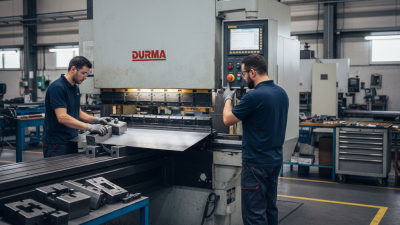
The workpiece is clamped firmly on the table or chuck. A cutting tool removes material through repeated passes. The spindle controls rotation speed, while feed rate controls tool movement. Sensors help monitor position, temperature, and machine condition. Coolant reduces heat and carries chips away from the cutting area. Even a small setup error can affect the final dimension.
In a well-prepared workshop, technicians check tool wear, alignment, and material hardness before cutting. They also measure trial parts with calipers or coordinate measuring equipment. No process is perfect. Vibration, chips, or incorrect offsets may create rough surfaces and unexpected tolerances. Experienced operators review these results and adjust the program carefully. This practical feedback remains important, even when modern controls appear highly precise.
CNC Metal Cutting Machine: Typical Cutting-Speed Ranges
Cutting speed is the surface speed between the cutting tool and the workpiece. The suitable range depends on material, tooling, coolant, machine rigidity, and cutting depth.
How CNC metal cutting works: The CNC controller converts programmed toolpaths into coordinated axis movements. The spindle rotates the tool or workpiece, while feed motion removes material layer by layer. Aluminum generally permits higher cutting speeds than mild steel because it produces less cutting resistance.
Main Types of CNC Metal Cutting Equipment
China Top CNC Metal Cutting Machine Manufacturers?
Main Types of CNC Metal Cutting Equipment
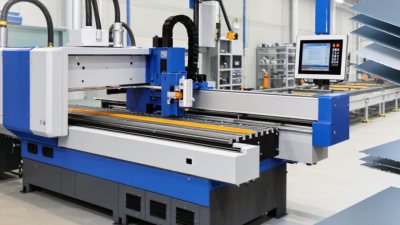
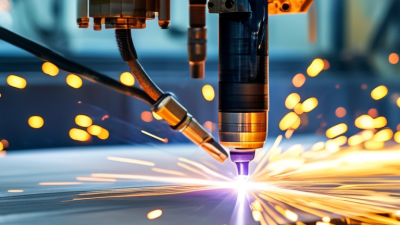
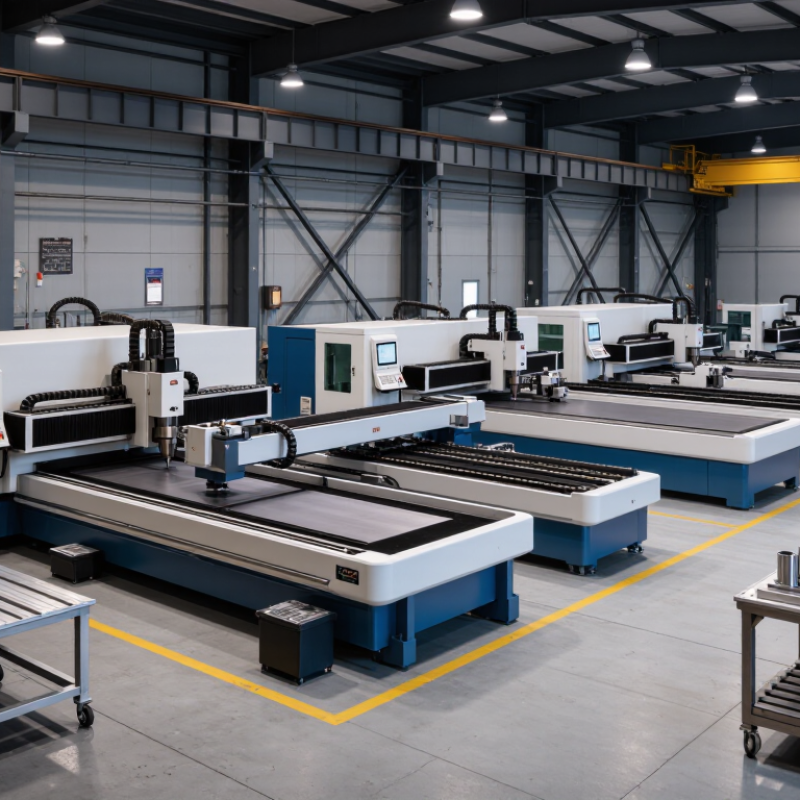
CNC metal cutting equipment falls into several practical groups. CNC turning centers rotate round stock against a fixed cutting tool. They suit shafts, rings, and threaded parts. CNC milling machines move cutters across blocks, plates, and complex surfaces. Laser cutters deliver narrow kerfs and fast sheet processing. Plasma systems handle thicker steel at lower operating costs, though edges may need finishing. Waterjet machines cut heat-sensitive materials without a heat-affected zone. Wire EDM achieves excellent accuracy on hardened metals, but it usually works more slowly. The International Federation of Robotics reported 276,288 industrial robot installations in China during 2023. This figure shows strong automation demand, but it does not prove that every CNC machine fits every factory.
When comparing manufacturers, inspect spindle power, axis travel, positioning accuracy, table size, and controller support. Ask for test cuts using your actual alloy and thickness. A polished sample can hide poor chip evacuation or unstable thermal behavior. Grand View Research projects continued growth in the global CNC machine market through 2030, driven by automotive, aerospace, and precision engineering demand. Yet market growth can encourage rushed purchases. I have seen buyers choose speed figures while overlooking maintenance access and operator training. That is an expensive weakness.
Tips:
Match the machine to material first. Check tolerance after continuous production, not one demonstration cut. Request energy data, service response times, and spare-part availability. Keep a written acceptance test. It prevents vague promises. Also question unusually high accuracy claims; real workshops are rarely perfect.
Leading China-Based CNC Machine Manufacturers
Leading China-based CNC machine manufacturers serve industries that need accurate, repeatable metal cutting. Their product ranges often include CNC lathes, machining centers, gantry mills, and laser-assisted cutting systems. Selection should begin with the material and part geometry, not a factory’s advertised ranking.
A capable manufacturer should explain spindle power, axis travel, positioning accuracy, and controller compatibility in clear terms. Ask for sample cuts using your actual steel, aluminum, or stainless-steel grade. Examine the edge finish, burr size, cycle time, and dimensional report. Small details matter. A 0.02 mm deviation can affect an entire assembly.
Factory evaluation also requires evidence beyond a polished showroom. Request machine testing records, calibration procedures, maintenance instructions, and verified quality certifications. Review the company’s engineering response when drawings change or tolerances become tighter. Strong manufacturers usually provide structured installation training and remote troubleshooting. Spare-parts availability matters just as much.
No factory is perfect. A supplier may offer excellent machining accuracy but weaker documentation. Another may provide fast service but limited customization. That trade-off deserves honest discussion before payment. Independent inspection, staged acceptance, and a clearly written warranty reduce avoidable risk. Experienced buyers also check electrical standards, operator safety features, packaging quality, and export support before approving production.
How to Select a Reliable Chinese CNC Manufacturer
China’s CNC metal-cutting sector is large, but scale alone does not prove reliability. UNIDO’s Industrial Development Report 2024 states that China produced about 31.6% of global manufacturing value added in 2022. The International Federation of Robotics also reported 276,288 industrial robot installations in China during 2023. These figures show strong industrial depth, not guaranteed machine quality.
Visit the factory, or request a live video inspection. Check machining bays, calibration records, and final-assembly cleanliness. A dependable manufacturer should explain spindle runout, positioning accuracy, repeatability, and thermal compensation clearly. Ask for test results based on ISO 230-2 or an equivalent national standard. Request a sample cut using your material, tooling, tolerances, and cycle requirements. Measure the finished part independently.
I still distrust perfect brochures. Insist on traceability. The supplier should identify key component sources, inspection tools, software versions, and operator qualifications. Review the factory acceptance test before shipment. It should cover geometry, backlash, spindle vibration, coolant leakage, and automatic tool changes. Ask how quickly engineers respond during commissioning. Spare-part stock matters, especially for encoders, drives, sensors, and control boards. Also examine warranty exclusions and installation responsibilities. The 2024 World Machine Tool Survey indicates sustained global investment in production equipment, but purchasing pressure can encourage rushed decisions. A lower quotation may hide weaker calibration, limited training, or expensive downtime. Choose evidence over polished promises.