What is a CNC Plasma Cutting Machine and How Does it Work?
In today's manufacturing world, the CNC plasma cutting machine plays a crucial role. This technology has transformed how industries cut metal. A report by MarketsandMarkets indicates that the global CNC plasma cutting machine market is projected to reach $2.5 billion by 2025. Such growth highlights its significance in metal processing.
The CNC plasma cutting machine works by using plasma to cut through conductive materials efficiently. Its precision and speed make it ideal for various industries, including automotive and aerospace. According to a study by IBISWorld, approximately 29% of metal fabricators now rely on CNC plasma systems due to their efficiency and cost-effectiveness. However, challenges such as maintenance and training remain.
Professional operators must understand how to optimize settings for intricate designs. The technology, while advanced, requires continuous learning and adaptation. Overall, the CNC plasma cutting machine is a vital asset in modern manufacturing, with areas for improvement in skills and application.
What is a CNC Plasma Cutting Machine?
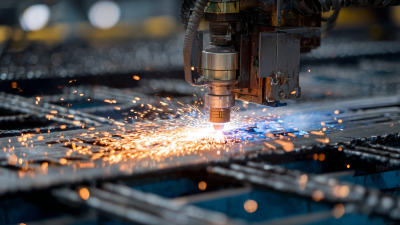
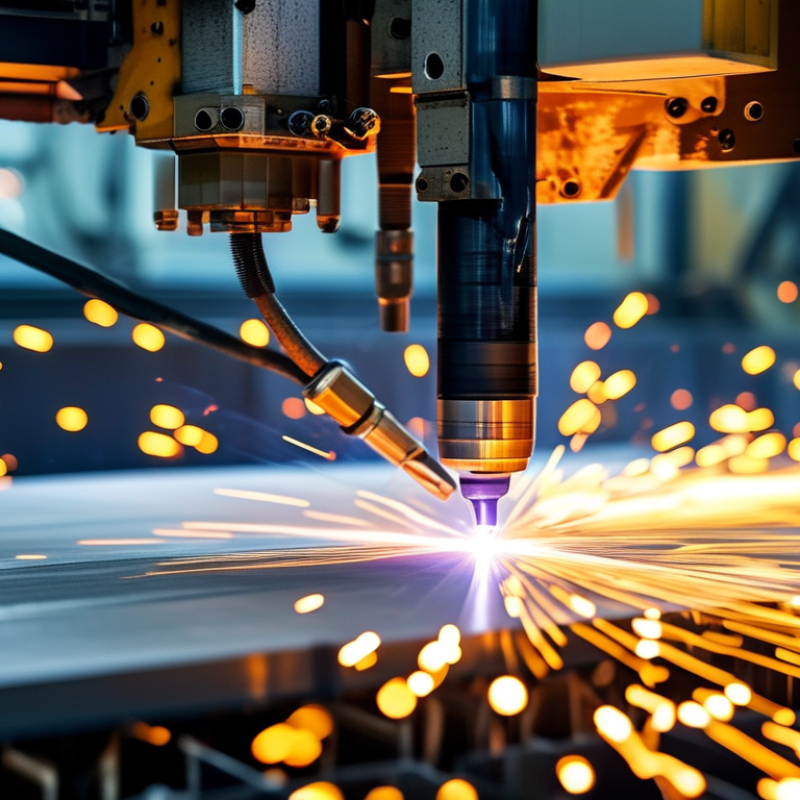
A CNC plasma cutting machine is a sophisticated tool used in metal processing. It utilizes a high-velocity jet of ionized gas, or plasma, to melt through metals. This method is efficient for materials such as steel, aluminum, and copper. According to industry reports, the global CNC plasma cutting machine market is projected to reach $4.5 billion by 2026, reflecting its growing significance in manufacturing.
Understanding how a CNC plasma cutting machine operates can enhance its usage. The machine is controlled by computer software, allowing for precise cuts and intricate designs. The plasma arc generates a temperature of around 20,000 degrees Celsius. This intense heat melts the metal while compressed air blows away the molten material. Safety measures and proper training are essential. Reports indicate that operators with experience can achieve more precise cuts and reduce material wastage.
When using a CNC plasma cutter, it is crucial to maintain the machine regularly. Over time, consumables like electrodes and tips wear out and affect performance. Regular inspections can identify these issues early. Operators should also be aware of the importance of a clean workspace. A cluttered environment can lead to accidents or machine malfunctions, highlighting the need for a focus on safety and organization in operations.
The Components of a CNC Plasma Cutting Machine
A CNC plasma cutting machine consists of several key components that work together to provide accurate and efficient cutting of various materials. The primary elements include the plasma torch, CNC controller, and a motion system. The plasma torch creates an arc that ionizes gas, resulting in a high-temperature plasma jet. This jet cuts through metal with precision, achieving contour cuts with minimal kerf width.
The CNC controller serves as the brain of the machine. It translates digital designs into specific movements for the cutting head. According to a report by IBISWorld, the CNC machining market size is expected to reach $74 billion by 2025, reflecting the technology's growing demand in various industries. The motion system, often composed of linear guides and motors, facilitates the accurate positioning of the cutting head along the X, Y, and sometimes Z axes.
Despite advancements, challenges remain. Operators need adequate training to optimize machine performance and minimize errors. The reliance on software can lead to complications if the system is not updated regularly. A balance between automation and human oversight is crucial to maintaining productivity and quality. Understanding these components and their interactions contributes to a more effective CNC plasma cutting process.
CNC Plasma Cutting Machine Capability Comparison
This chart illustrates the performance metrics of a CNC Plasma Cutting Machine, showcasing its capabilities in terms of material thickness it can handle, cutting speed, power consumption, and cost.
How CNC Plasma Cutting Machines Function: A Technical Overview
CNC plasma cutting machines have transformed metal fabrication. Their functionality relies on a high-velocity jet of ionized gas, known as plasma, which is capable of melting through metals. In 2022, the global CNC plasma cutting machine market was valued at over $4 billion, showcasing its growing significance in industries such as automotive and aerospace.
These machines operate through a computer numerical control system. The operator inputs a design into the software, which translates into precise movements. A study from the Fabricators & Manufacturers Association revealed that using CNC machines can increase productivity by up to 30%. This level of efficiency is crucial, especially in competitive markets.
Operators must be aware of potential challenges. One common issue is the formation of slag during cutting, which can affect the finish quality. Regular maintenance is vital to mitigate downtime caused by wear and tear, with some estimates suggesting that poor upkeep can reduce a machine's operational life by 25%. Understanding these nuances is vital for achieving optimal performance while navigating the complexities of CNC plasma cutting technology.
Applications of CNC Plasma Cutting in Various Industries
CNC plasma cutting technology is increasingly adopted across various industries due to its efficiency and precision. In the automotive sector, for instance, manufacturers utilize CNC plasma cutters to create complex parts quickly. According to a report by IBISWorld, the automotive manufacturing industry has witnessed a growth rate of 2.5% annually, partly due to these advanced cutting techniques. Plasma cutting enables the production of intricate designs while minimizing material waste, which is essential in a highly competitive market.
In the construction industry, CNC plasma cutters are employed to fabricate steel structures, improving overall project timelines. A study from MarketsandMarkets indicates that the global construction sector is expected to reach $10 trillion by 2023. The ability of plasma cutting machines to handle thicker materials efficiently makes them invaluable in this field. However, some challenges remain, including the need for skilled operators. This skill gap can hinder optimal usage, emphasizing the importance of ongoing workforce training.
The aerospace industry also benefits from CNC plasma cutting. It helps produce lightweight components, critical for improving fuel efficiency. According to the Aerospace Industries Association, improving fuel efficiency by one percent can save airlines up to $16 billion annually. While CNC plasma cutting supports these goals, manufacturers must continually assess machine capabilities and adapt to evolving material standards, highlighting the need for robust quality control processes.
CNC Plasma Cutting Machine Overview
| Feature |
Description |
| Cutting Process |
Uses high-velocity ionized gas (plasma) to cut through metal sheets. |
| Materials |
Compatible with various metals including steel, aluminum, and brass. |
| Applications |
Used in manufacturing, automotive, aerospace, and metal fabrication industries. |
| Advantages |
High cutting speeds, ability to cut thick materials, and automation capabilities. |
| Limitations |
Not suitable for certain materials like plastics or glass and can produce rough edges. |
| Control System |
Typically operates via CNC (Computer Numerical Control) programs for precision cutting. |
| Safety Measures |
Includes protective gear, fume extraction, and fire safety protocols. |
Advantages and Limitations of Using CNC Plasma Cutting Technology
CNC plasma cutting technology offers several advantages for various industries. It’s known for its precision and speed. This method uses high-velocity ionized gas to cut through metals like steel or aluminum. It creates clean edges and minimizes the need for additional finishing.
However, there are also notable limitations. Plasma cutting is not ideal for very thin materials. It can introduce warping due to heat. Additionally, it may struggle with complex shapes that require intricate details. Operators need skill to set parameters correctly. The initial investment for CNC systems can be high, which might deter smaller workshops. Understanding these factors is crucial for making informed decisions in manufacturing processes.
Furthermore, while this technology excels in certain tasks, it may not be suitable for all projects. It's essential to evaluate the specific application before proceeding. Some users might find maintenance to be challenging, requiring a knowledgeable technician. Thus, considering both advantages and limitations plays a vital role in effective implementation.