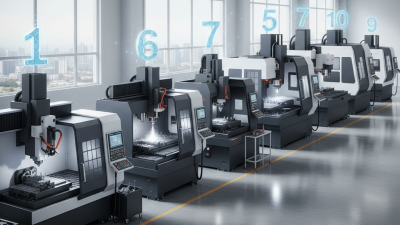
Metal fabrication is moving toward faster, cleaner, and more measurable production. A reliable metal shear machine now supports accurate cutting, reduced material waste, and safer workshop routines. Industry reports from Grand View Research and MarketsandMarkets identify automation, precision control, and flexible manufacturing as major forces shaping the global machine tools sector. These trends matter to small fabricators, contract manufacturers, and large industrial plants.
This guide examines ten metal shear machines available from suppliers worldwide. The selection considers cutting capacity, blade quality, control systems, hydraulic stability, energy use, maintenance access, and after-sales support. A thick steel plate can expose weaknesses quickly. Uneven cuts, excessive burrs, or drifting blade clearance may increase labor costs and scrap. Certification also deserves attention. Buyers should review manufacturer documentation, safety features, warranty terms, and local service coverage before ordering.
No ranking is perfect. A powerful machine may be excessive for a small workshop. A compact model may struggle with continuous production. Reports from the International Federation of Robotics and the International Trade Centre also show why automation readiness and supply-chain reliability increasingly influence equipment decisions. However, published specifications do not tell the whole story. Operator experience, installation quality, and preventive maintenance remain decisive. The following overview compares leading options using practical performance factors, not marketing language alone. It is designed to help readers ask better questions, verify technical claims, and choose equipment that matches real production conditions. That judgment still matters.
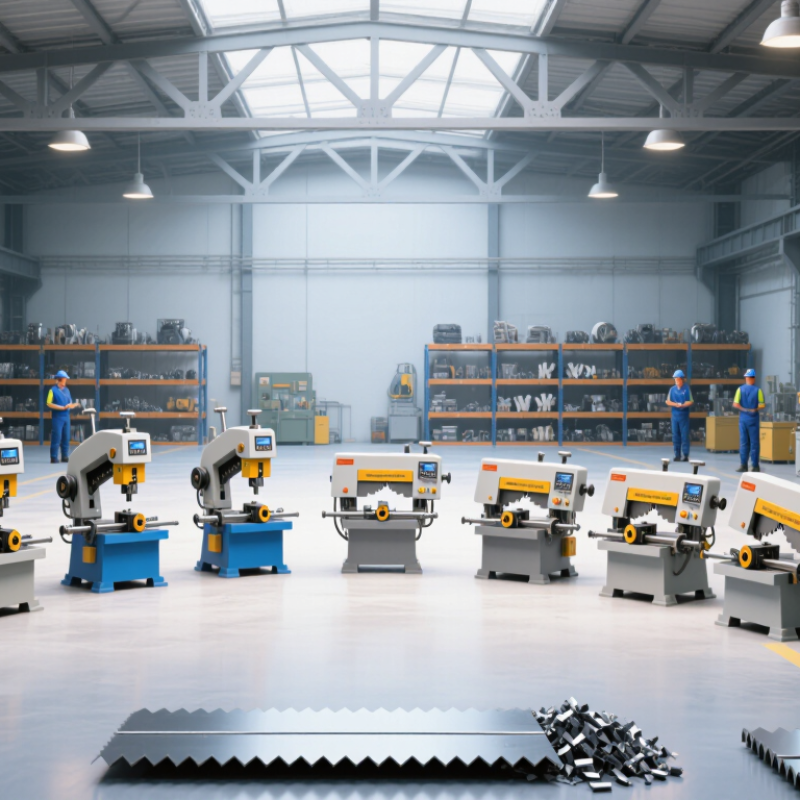
When comparing the 10 best metal shear machines for sale worldwide, machine type matters more than appearance. Guillotine shears use a straight, powerful cutting stroke. They suit thick plate, repeated production, and clean, square edges. Swing-beam shears pivot the upper blade, reducing friction and energy use. They work well for general fabrication and medium-gauge sheet. Hydraulic models add programmable pressure, stroke control, and safer repeatability.
The World Steel Association reported 1.888 billion tonnes of crude steel production in 2023. That volume supports continuing demand for reliable plate-processing equipment. However, steel output alone does not determine the right shear. A workshop cutting 2-millimeter sheets needs different settings from a plant processing 12-millimeter plate. Check rated thickness, cutting length, blade material, back-gauge accuracy, and service access. Small details matter.
Hydraulic guillotine machines often provide the strongest control for heavy plate. Swing-beam designs can offer simpler operation and lower maintenance demands. Guillotine systems may deliver better edge consistency, but installation and alignment require more care. In practical trials, inspect the cut face under bright light. Look for burrs, distortion, and uneven rake marks. Some listings exaggerate capacity. A cautious buyer should request test-cut records, tolerance data, and electrical specifications before purchase. The International Federation of Robotics notes that automation improves repeatability, yet operator judgment still affects setup quality. That point is easy to underestimate.
10 Best Metal Shear Machines for Sale Worldwide
Key Specifications: 6–32 mm Cutting Thickness and 1,000–6,000 mm Width
Metal shear machines in this range serve workshops handling thin sheet and heavy plate. Cutting thickness usually starts around 6 mm and can reach 32 mm. However, capacity depends on steel strength, blade condition, and cutting length. A machine rated for 32 mm mild steel may cut less stainless steel safely.
Working width is equally important. Options from 1,000 to 6,000 mm suit small fabrication jobs, structural panels, and long plate sections. A 1,000 mm shear saves floor space and reduces handling effort. Wider models can complete long cuts in one pass, improving alignment and reducing repositioning marks. Measure your material before comparing machines.
Hydraulic systems often provide steady force across thick material. Mechanical designs may deliver faster cycling for lighter work. Check blade clearance adjustment, back gauge accuracy, table support, and emergency stopping performance. These details affect daily results more than impressive headline numbers. The numbers can mislead. Cutting the maximum thickness continuously may shorten blade life and increase maintenance. In real production, leaving a safety margin is wiser. Operators should record actual material grades, cutting angles, and maintenance intervals before choosing a machine. A careful trial cut can reveal problems that brochures miss.
| Rank | Machine Configuration | Max. Cutting Thickness (mm) |
Max. Cutting Width (mm) |
Cutting Strokes (per min) |
Back-Gauge Range (mm) |
Rake Angle (°) |
Main Motor (kW) |
Approx. Weight (kg) |
Recommended Application |
|---|---|---|---|---|---|---|---|---|---|
| 1 | Hydraulic Guillotine Shear | 6 | 3,200 | 14–22 | 1,000 | 0.5–2.0 | 7.5 | 5,500 | General fabrication and sheet-metal workshops |
| 2 | Hydraulic Swing-Beam Shear | 8 | 2,500 | 10–18 | 800 | 1.0–2.5 | 11 | 6,800 | Medium-duty structural and HVAC component production |
| 3 | CNC Hydraulic Guillotine Shear | 10 | 4,000 | 8–16 | 1,000 | 0.5–2.0 | 15 | 10,500 | High-volume plate processing with programmable cutting sequences |
| 4 | Heavy-Duty Hydraulic Guillotine | 12 | 3,100 | 7–14 | 1,000 | 0.5–2.5 | 18.5 | 12,000 | Industrial plate cutting and heavy fabrication |
| 5 | CNC Swing-Beam Shear | 16 | 3,200 | 6–12 | 1,000 | 0.5–2.5 | 22 | 17,000 | Medium-to-heavy plate work and repeat production |
| 6 | Extended-Bed Hydraulic Shear | 20 | 4,000 | 5–10 | 1,000 | 0.5–3.0 | 30 | 24,000 | Long-sheet cutting for construction and machinery panels |
| 7 | Precision CNC Guillotine Shear | 25 | 3,000 | 4–9 | 1,000 | 0.5–3.0 | 37 | 30,000 | Thick plate preparation and precision industrial fabrication |
| 8 | Wide-Format Hydraulic Guillotine | 32 | 6,000 | 3–7 | 1,000 | 0.5–3.5 | 55 | 52,000 | Large-format steel service centers and shipbuilding components |
| 9 | Tandem Hydraulic Shear | 20 | 6,000 | 4–8 | 1,000 | 0.5–3.0 | 2 × 30 | 66,000 | Extra-wide plates, bridge components, and large structural sections |
| 10 | Four-Edge Hydraulic Plate Shear | 30 | 4,000 | 3–6 | 1,200 | 0.5–3.5 | 45 | 48,000 | Thick plate cutting where extended blade life and edge utilization are priorities |
A practical evaluation starts with the stated range of 20–80 strokes per minute. Higher speed improves output, but it can increase vibration, heat, and operator fatigue. Buyers should request verified cycle data under real sheet thickness, not empty-machine figures. A 40-stroke setting may outperform 80 strokes when cut quality matters.
Accuracy needs measurable evidence. Check cut-length repeatability, squareness, edge burrs, and material distortion across several test pieces. ISO 12100 recommends risk assessment throughout machine design and operation. That principle supports a simple trial: measure ten consecutive cuts, then record the largest deviation. Small errors become expensive during batch production. Catalog claims can mislead.
Safety deserves equal weight. OSHA’s machine-guarding rule, 29 CFR 1910.212, requires protection from operating-point hazards and moving parts. The U.S. Bureau of Labor Statistics reported about 2.6 million nonfatal private-industry injuries and illnesses in 2023. This figure covers many industries, yet it reinforces why guarding cannot be treated as decoration. Inspect emergency stops, blade access controls, hold-down systems, and lockout provisions before purchase. Light curtains may help, but poor placement can create false confidence. I would also examine noise, visibility, and maintenance access. These details are easy to overlook.
The strongest metal shear machines differ by capacity, control, and intended work. This ranking focuses on real production needs, from thin sheet processing to heavy structural plate. Actual performance depends on blade condition, material grade, and operator setup.
Rank 1 is the hydraulic guillotine shear, suited for thick plate and continuous fabrication.
Rank 2 is the CNC guillotine shear, offering accurate repeat cuts for contract manufacturing.
Rank 3 is the swing beam shear, valued for moderate steel thickness and simple maintenance.
Rank 4 is the mechanical shear, useful for fast, repetitive work in smaller workshops.
Rank 5 is the variable-rake shear, which reduces distortion across changing material thicknesses.
Rank 6 is the alligator shear, designed for recycling and cutting bulky metal sections.
Rank 7 is the circular shear, effective for narrow strips and coil-processing lines.
Rank 8 is the ironworker shear station, combining sheet, bar, angle, and punch operations.
Rank 9 is the nibbling shear, appropriate for flexible contour cutting on lighter sheet.
Rank 10 is the portable power shear, selected for field repairs and limited-access fabrication.
Capacity numbers deserve careful review. A machine rated for 12 millimeters may cut less when stainless steel replaces mild steel. Blade clearance, back gauge accuracy, and frame rigidity matter just as much. Energy use also affects long-term cost. This ranking is useful, but not absolute; smaller machines can outperform larger units when tolerances, speed, and workspace matter more than raw capacity.
Choosing among the 10 best metal shear machines for sale worldwide requires more than comparing cutting length and price. Power should match the material, thickness, and daily workload. A machine rated for 6 mm mild steel may struggle with stainless steel at the same thickness. Check motor capacity, hydraulic stability, blade clearance, and cutting accuracy under continuous operation.
Automation can improve output, but only when operators understand the controls. CNC back gauges, programmable stroke settings, and touchscreen diagnostics reduce repetitive adjustments. They do not remove the need for inspection. I have seen production teams trust automatic settings without checking blade wear, causing uneven edges and wasted sheets. A practical trial should include different materials, short runs, and emergency-stop testing.
Certification must fit the destination market, not just the supplier’s sales brochure. Request current conformity documents, electrical specifications, risk assessments, and factory test records. Confirm voltage, frequency, guarding, and documentation requirements with a qualified local professional. Service support matters just as much. Ask about spare blades, seals, training, response times, and remote troubleshooting. Clear manuals help. Local technicians help more. One overlooked issue is installation space: a three-meter shear needs room for sheet handling, maintenance access, and safe material flow. A lower-priced machine can become expensive when technical support is distant or replacement parts arrive slowly.
Worldwide Buying Guide: Power, Automation, Certification, and Service Support
This comparison uses representative market-available specification bands for common metal shear machine categories. Mild-steel cutting capacity is shown in millimeters, while the automation score ranges from 1 (manual control) to 5 (fully CNC-controlled production). Actual performance depends on material grade, blade gap, machine length, electrical standard, certification package, installation, and local service support.