Industrial Machinery Company

Top 10 Types of Tube Cutting Machines for Buyers

Choosing a tube cutting machine is not simply a matter of comparing advertised speeds. The right choice depends on tube material, diameter, wall thickness, cut quality, production volume, and available floor space. A small workshop cutting stainless steel by hand has different needs from a factory processing thousands of aluminum tubes each shift. Details matter.

This guide introduces ten common machine types, from manual and abrasive saws to CNC, laser, and orbital cutting systems. Each approach has practical trade-offs. A laser may deliver clean, intricate cuts, while a dependable cold saw can be a better fit for repeatable straight cuts. Automation can reduce handling, but it also adds setup and maintenance requirements. There is no universal winner.

Buyers should compare real operating conditions, not just brochure figures. Ask suppliers about demonstrated cutting tolerances, compatible tube sizes, blade or consumable life, changeover time, and operator training. When possible, request a sample cut using the same material and wall thickness planned for production. Inspect the edge, burrs, and consistency. Small differences can affect later welding or assembly.

The machine that looks most advanced may not be the most suitable. That is easy to overlook. I would treat output estimates cautiously unless the material, cut length, and loading method are clearly stated. The following overview offers a practical starting point for narrowing options and asking better questions before purchase.
Top 10 Types of Tube Cutting Machines for Buyers

What Tube Cutting Machines Are and How They Work

Tube cutting machines are tools that cut round, square, or rectangular tubing to a specified length. They may use a saw blade, abrasive wheel, laser, or other cutting method. The right choice depends on the tube material, wall thickness, required edge quality, and production volume. A cold saw, for example, can produce a clean, relatively cool cut, while a laser can handle detailed profiles with little tool contact. Each method has trade-offs.

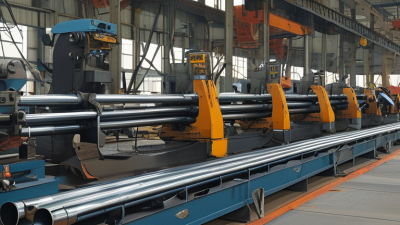
The machine holds the tube, positions it, and applies the cutting tool at the selected point. Manual models rely on an operator to measure and feed each piece. Automated systems can feed stock, set cutting lengths, and repeat cycles with less hands-on work. Sensors and clamps help keep the tube aligned, but poor setup can still cause angled cuts or slipping. After cutting, some parts need deburring before assembly. In practice, setup is rarely perfect on the first try.

Tips: Check the tube’s outside dimensions and wall thickness before choosing a machine. Test a sample cut, then inspect its length, squareness, and edge condition. Keep this in mind. A fast cycle is not always the best result.

How Tube Cutting Machines Are Classified by Cutting Method

Tube cutting machines are commonly classified by the way they separate material. This helps buyers compare cut quality, speed, and finishing needs before choosing a machine. Sawing is widely used for straight cuts on steel, aluminum, and other tubing. Cold saws generally leave a clean edge, while band saws handle varied diameters and small production runs. The chips and burrs still need attention.

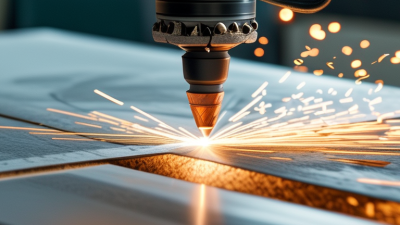
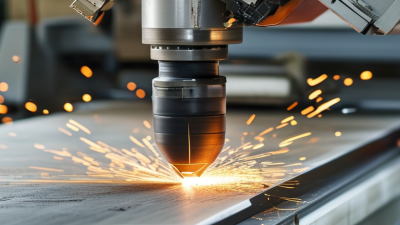
Abrasive cutoff machines use a fast-spinning disc and suit basic, economical cutting. They can leave rougher edges and generate heat, so they may need extra finishing. Laser machines focus energy on a narrow point, making intricate profiles and precise cuts possible. They work well for detailed fabrication, but material thickness and operating costs matter. Plasma cutting is faster on conductive metals, though its kerf may be wider. The edge tells.

Waterjet systems cut without a heat-affected zone, which can help when heat distortion is a concern. Their slower pace and abrasive use may not fit every shop. Mechanical tube cutters, including rotary-style tools, can be practical for thin-walled tubing and repeatable, simple cuts. Not always. Real production adds complications: a tube may shift, clamp marks may matter, and a sample cut can reveal issues that specifications miss. Compare the actual material, wall thickness, tolerance, and expected daily volume before judging a method by speed alone.

Ten Common Types of Tube Cutting Machines for Buyers

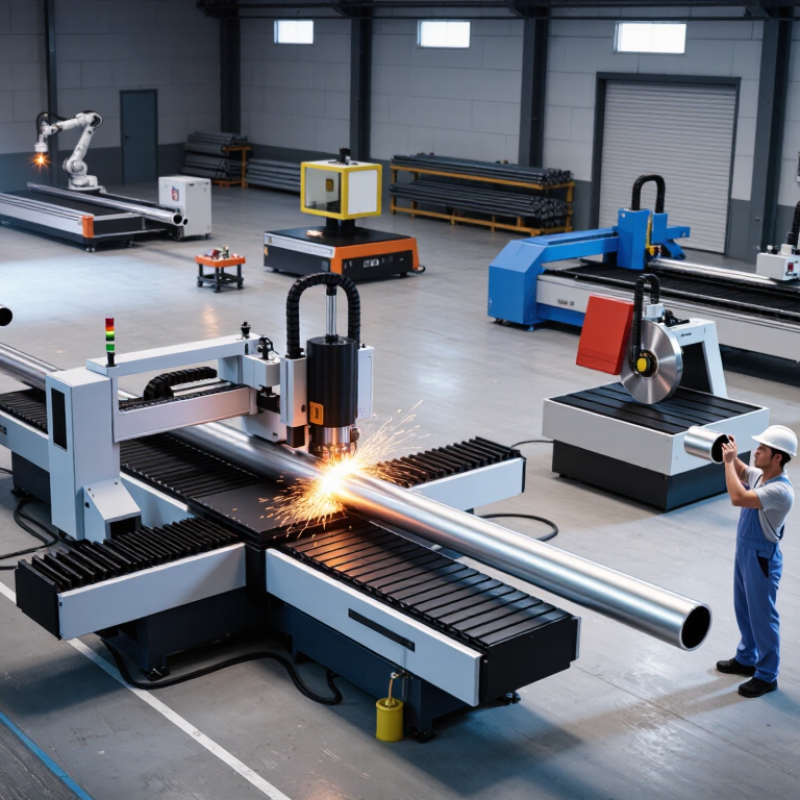
Ten common tube-cutting machine types serve very different production needs. A manual hacksaw suits occasional repairs, while an abrasive cutoff saw offers low-cost, quick cuts with more heat and burrs. Cold saws produce cleaner ends; band saws handle larger diameters and bundled stock. Circular saws support repeatable, high-volume cuts, but tooling must match the tube material. Laser tube cutters create precise slots and profiles with little finishing. Plasma cutters are faster on conductive, thicker sections, though their edges may need cleanup. Oxy-fuel systems suit heavy steel pipe, not thin-wall tubing. Waterjet cutting limits heat distortion, but equipment and operating costs can be substantial. Rotary shear cutters are useful for fast cuts in thin-wall tube. Simple, but limited.

Buyers should compare wall thickness, diameter, material, tolerances, cut angle, and daily volume before choosing. A machine’s advertised speed matters less if loading, changeovers, or edge finishing slow the line. The International Federation of Robotics reported 4.28 million industrial robots operating worldwide in 2023 in its World Robotics 2024 report. That figure reflects broad factory automation, and helps explain why some buyers also assess automated loading and part handling. Still, automation is not automatically worthwhile. A small workshop may gain more from a dependable cold saw than a complex laser cell. Ask for sample cuts using your actual tube; inspect burrs, heat marks, and dimensional consistency. Trade-offs are real.

Key Differences in Precision, Speed, Materials, and Cost

Tube cutting machines differ most in accuracy, cycle time, material range, and total operating cost. Common types include manual hacksaws, abrasive cutoff saws, cold saws, band saws, circular saws, tube lasers, plasma cutters, waterjet systems, CNC pipe profiling machines, and robotic cutting cells. Each suits a different production problem. A manual saw is inexpensive for occasional repairs, but it relies heavily on operator skill. Cold saws produce clean, square ends with little heat distortion. Band saws handle varied diameters, though cutting can be slower. Tube lasers can make precise profiles and holes quickly, but setup and equipment costs are substantial.

Material matters. Plasma cutting works on conductive metals and can be fast on thicker sections, but its edge may need cleanup. Waterjet cutting avoids a heat-affected zone and supports many materials, yet it usually costs more per cut and may run slower. Abrasive saws are affordable, but blades wear and leave rougher edges. Check the tube’s diameter, wall thickness, alloy, and required end finish before comparing quotes. Also ask about changeover time, fixtures, extraction, and replacement parts. Small shops sometimes overbuy automation; large runs may make manual handling the real bottleneck. There is no perfect ranking. A machine’s advertised speed may not match your actual batch size.

Top 10 Types of Tube Cutting Machines for Buyers — Key Differences in Precision, Speed, Materials, and Cost

Typical capabilities for comparison. Actual results depend on tube dimensions, material, wall thickness, machine condition, tooling, and setup.
Machine Type Cutting Method Typical Cut Precision* Relative Speed Common Materials Cut Quality and Heat Relative Equipment Cost Best Suited For
Manual Hacksaw Hand-driven toothed blade About ±1–2 mm with careful marking and clamping Very low; operator-dependent Steel, stainless steel, aluminum, copper, and plastic tubes Low heat; finish and squareness depend heavily on operator technique Very low Occasional cuts, repairs, prototypes, and small workshops
Abrasive Chop Saw High-speed abrasive wheel About ±0.5–1 mm in a well-clamped setup High for simple, short batches Commonly carbon steel and stainless steel; some nonferrous metals use suitable wheels Creates heat, sparks, burrs, and a heat-affected edge; deburring is often needed Low Budget-conscious cutting of general-purpose metal stock
Horizontal Bandsaw Continuous toothed band blade About ±0.5–1 mm, depending on stock and setup Low to medium; efficient for bundled or repeated cuts Carbon steel, stainless steel, aluminum, and other solid or hollow metals Relatively low heat and narrow kerf; blade selection affects finish and cut time Low to medium General fabrication, mixed sizes, and moderate-volume batch cutting
Cold Saw Toothed circular blade with controlled feed and coolant About ±0.1–0.3 mm on suitable equipment and stock Medium to high for repeatable batch work Steel, stainless steel, and nonferrous metals, subject to blade specification Low heat compared with abrasive cutting; typically produces a clean, square edge with limited burr Medium Accurate, repeatable cuts where a good finish and low rework are important
Carbide-Tipped Circular Saw High-speed toothed circular blade with carbide teeth About ±0.1–0.3 mm on a rigid, properly configured system High; suited to production batches Steel, stainless steel, and aluminum with material-appropriate blades Clean cuts are possible with controlled feed; blade choice and maintenance are important Medium to high Production cutting that needs repeatable lengths and a relatively clean edge
Friction Saw High-speed steel blade cuts through frictional heating About ±0.2–0.5 mm, depending on machine and tube support Very high on compatible production lines Primarily steel tubes and profiles suitable for friction sawing Fast cutting but generates substantial heat; the cut edge may need further finishing Medium to high High-volume steel tube production where throughput is a priority
CNC Fiber-Laser Tube Cutter Focused laser beam with CNC tube positioning About ±0.1–0.3 mm under suitable operating conditions High; especially productive for complex profiles and frequent changes Carbon steel, stainless steel, and many aluminum tubes; capability depends on laser power and setup Narrow kerf and detailed shapes; may leave a heat-affected zone or dross depending on settings Very high Complex contours, holes, slots, and flexible production with less secondary machining
Plasma Tube Cutter Ionized gas arc melts and removes conductive metal About ±0.5–1.5 mm, depending on system, thickness, and cut path High on conductive metals, particularly at greater thicknesses Carbon steel, stainless steel, and aluminum Heat-affected zone and possible dross; edge quality is generally less fine than laser or waterjet Medium to high Conductive tube cutting where speed and thickness capacity matter more than fine edge quality
Abrasive Waterjet Tube Cutter High-pressure water mixed with abrasive garnet About ±0.1–0.3 mm on suitable systems and workpieces Low to medium; cutting is often slower than thermal processes Metals, plastics, composites, and other waterjet-compatible materials No thermal heat-affected zone; abrasive use, water management, and drying may add operating steps High to very high Heat-sensitive materials, thick sections, and applications requiring minimal thermal distortion
Flying Cut-Off Saw Saw head synchronizes with continuously moving tube before cutting About ±0.5–1 mm, depending on line speed and control system Very high on continuous production lines Commonly steel and other tube materials compatible with the installed saw and line Designed for in-line production; finish and burr depend on blade, feed, and tube support High to very high Continuous tube mills and high-volume lines where stopping the material is impractical

Buyer note: Precision figures are indicative ranges, not guaranteed specifications; manufacturers may define accuracy differently. Compare machines using the same tube dimensions, wall thickness, material, cut length, and measurement method. Relative cost reflects typical equipment investment, not a specific quotation or ongoing operating cost.

How to Choose a Tube Cutting Machine for Your Application

Choosing a tube cutting machine starts with the tube, not the machine catalog. Record material, outside diameter, wall thickness, cut angle, tolerance, and daily volume. A cold saw or band saw often suits repeatable straight cuts; laser systems handle intricate profiles, while waterjet cutting avoids heat-affected edges. That can matter with thin-wall tubing, though operating costs and speed vary. Measure twice. A small burr can disrupt a later weld or assembly.

Tips: Test the actual tube, including its finish and wall thickness. Check cut quality, cycle time, kerf, and how much deburring each sample needs. Ask operators to assess loading and changeovers; a fast machine can still slow production if setup is awkward.

For high-volume work, compare automatic feeding, CNC programming, and realistic uptime—not just advertised cutting speed. Deloitte’s 2024 Smart Manufacturing and Operations Survey found that 86% of surveyed manufacturing executives viewed smart manufacturing solutions as important competitiveness drivers over the next five years. This supports considering data connectivity, but automation is not automatically worthwhile for short runs. Get a written test-cut report with measured tolerances and edge condition. Recheck those results using your own production material; sample parts can flatter a process.