Industrial Machinery Company

Top 10 Sheet Metal Laser Cutting Machine Suppliers in China

Choosing a sheet metal laser cutting machine supplier in China involves more than comparing laser power and purchase prices. Buyers also need reliable cutting performance, responsive service, and equipment suited to their actual production requirements. A machine cutting 1 mm stainless steel faces different demands from one processing 12 mm carbon steel every day. Details matter. Cutting speed alone cannot reveal edge quality, dimensional consistency, or the time operators spend removing burrs. China offers a broad supplier base, making careful comparison valuable for workshops and larger fabrication businesses alike.

This guide explores ten Chinese suppliers through practical purchasing considerations, including machine configurations, application support, and maintenance arrangements. Useful evidence includes documented specifications, clearly defined warranty terms, and sample cuts produced using your own material files. Ask for specifics. For example, request samples with small holes, tight corners, and narrow slots to assess performance beyond straight cuts. Check whether quoted packages include installation, operator training, extraction equipment, and essential spare parts. A lower initial quotation may become less attractive when these items require separate purchases.

There is no universal best supplier, and a prominent brand may still be a poor fit for your workshop. That limitation deserves attention when reading any top-ten list, including this one. Your available floor space, electrical supply, material mix, and local service coverage should shape the final shortlist. Published specifications provide a starting point, but they cannot fully predict performance under your production conditions. Comparing suppliers against the same sample parts and written requirements makes the decision more transparent and defensible.
Top 10 Sheet Metal Laser Cutting Machine Suppliers in China

Types and Capabilities of Sheet Metal Laser Cutting Machines

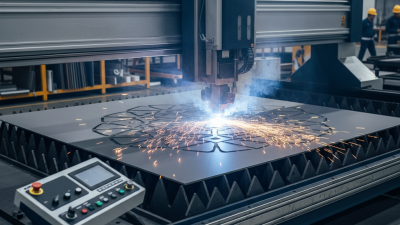
Sheet metal laser cutting machines vary by laser source, power, and table configuration. Fiber lasers are widely used for cutting carbon steel, stainless steel, aluminum, brass, and copper. CO2 systems remain useful for certain applications, although reflective metals require particular care and suitable equipment. Power needs context. A 3 kW fiber system can suit thin sheet production, depending on material and required speed. Thicker plates usually require more power, with cutting quality also depending on gas supply, optics, and machine settings.

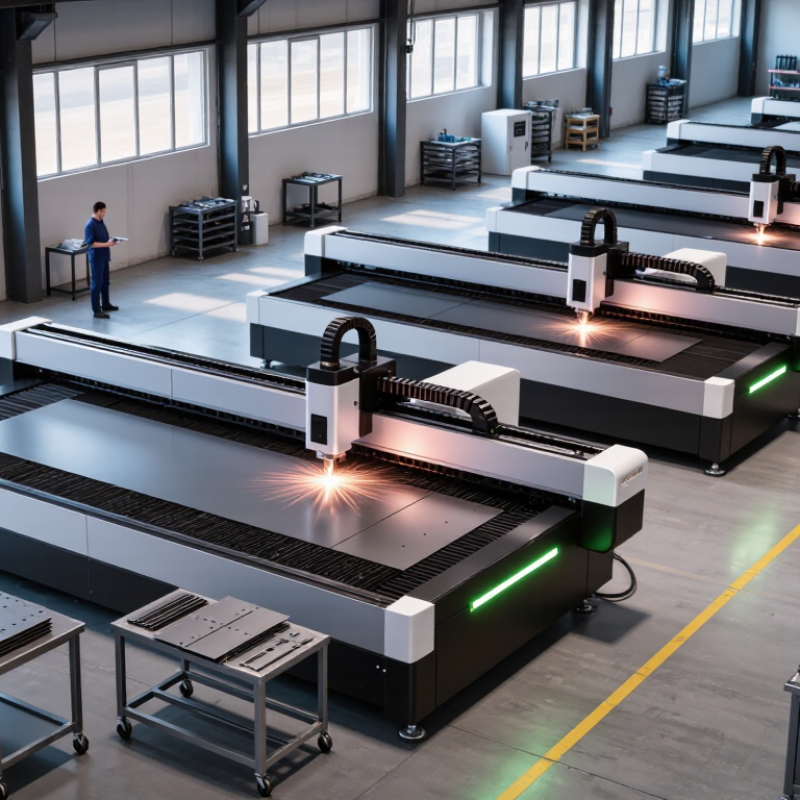
Machine design affects daily output as much as rated power. Exchange tables allow operators to unload finished parts while another sheet is being cut. Enclosed machines help contain laser radiation when guards and interlocks function correctly. Combination machines process both sheets and tubes, but changeovers can reduce their apparent productivity advantage. Bevel cutting heads prepare angled edges for welding, while automated loading supports longer production runs. Small details matter. Narrow slots, sharp corners, and closely spaced holes can reveal limitations that straight cuts conceal.

Tips: Ask suppliers in China to cut your actual material grade, thickness, and drawing before comparing quotations. Inspect burrs, edge roughness, hole dimensions, and distortion after the sample cools. Request cutting time, assist gas consumption, and the settings used. I would treat a clean demonstration sample as useful evidence, though an incomplete basis for choosing equipment. A repeat trial across several sheets may expose inconsistent results.

Criteria for Evaluating Chinese Laser Cutting Machine Suppliers

A place on a “top 10” list should start a supplier review, not settle it. Ask each manufacturer to cut your actual material, including the grades and thicknesses used in daily production. Samples matter. For example, request 3 mm stainless steel parts with small holes, sharp corners, and narrow slots. Check burrs, edge roughness, dimensional accuracy, and consistency across several pieces. A polished sample looks convincing, but it may reflect slower settings than your production schedule allows.

Compare complete machine configurations rather than laser power alone. Request written specifications for the laser source, cutting head, motion system, extraction equipment, and protective enclosure. Ask how the supplier calculates operating costs, including electricity, assist gas, consumables, and maintenance. A low purchase price can hide expensive gas consumption or frequent nozzle replacement. Verify relevant safety documentation through the issuing organization where possible. Certificates need checking. Documents should match the machine model and configuration being quoted.

Support deserves the same scrutiny as cutting performance. Ask who handles installation, operator training, fault diagnosis, and replacement parts in your region. Request references from buyers processing similar materials, then ask about downtime and unresolved service issues. Remote support may sound sufficient; language differences and time zones can complicate even a straightforward repair. Put acceptance criteria, training scope, warranty exclusions, and parts delivery commitments into the purchase agreement.

Top 10 Sheet Metal Laser Cutting Machine Suppliers in China

A useful “Top 10 Sheet Metal Laser Cutting Machine Suppliers in China” shortlist needs measurable criteria. Production capacity alone tells buyers little about cutting consistency. The International Federation of Robotics’ World Robotics 2024 report recorded 276,288 industrial robot installations in China during 2023. That represented 51% of global installations. These figures demonstrate manufacturing automation scale, but they do not establish laser cutting quality or supplier rankings.

Test actual parts. Ask shortlisted suppliers to cut your intended grades of carbon steel, stainless steel, and aluminum. Include narrow slots, small holes, sharp corners, and parts with heat-sensitive features.

Record dimensional deviation, burr height, cutting time, and assist-gas consumption across repeated runs. A clean demonstration sample can conceal inconsistent results during longer production runs, especially when material flatness varies.

Request the test conditions, including thickness, laser power, gas pressure, and nozzle specification. Keep those records.

Compare suppliers using documented acceptance criteria, service coverage, spare-parts availability, training, and operating costs. ISO 9013 provides a framework for assessing thermal-cut quality, including perpendicularity or angularity tolerance and surface profile characteristics.

However, its classifications alone cannot confirm that a machine will meet every drawing requirement. A cheaper machine might suit occasional thin-sheet work, while intensive production can justify stronger automation and local service.

Any top-ten selection remains partly subjective without comparable factory tests; even a well-designed trial may miss intermittent faults.

Comparison of Supplier Technologies, Prices, and Service Networks

Comparing China’s top ten sheet metal laser cutting suppliers requires more than a power rating. Technology, quoted scope, and service coverage deserve separate checks. The International Federation of Robotics’ World Robotics 2024 report recorded 276,288 industrial robot installations in China during 2023. China represented 51% of global installations, indicating an established automation ecosystem, although this does not prove individual suppliers’ capabilities. Verify the integration. Ask suppliers to demonstrate automatic loading, sheet separation, and unloading using your actual material.

Price comparisons become useful only when specifications match. Request separate prices for the machine, extraction system, compressor, installation, training, and delivery. Compare identical working areas, laser power, enclosure specifications, and warranty terms. A lower quotation may exclude equipment needed for production. Test real parts. For example, submit 2 mm stainless steel brackets with small holes and narrow slots. Record cutting time, burr formation, dimensional variation, and nitrogen consumption per batch. Higher power may improve throughput, but it deserves scrutiny when most orders involve thin sheets.

Service networks need evidence beyond a map of overseas locations. Ask for the nearest technician’s location, spare-parts inventory, and written response commitments. Distinguish remote troubleshooting availability from guaranteed on-site attendance. Request customer references operating similar materials and shift patterns. A demonstration remains imperfect evidence: clean optics and carefully selected sheets can hide everyday production problems. Repeat the acceptance test with your material, and document any conditions that differ from your workshop.

Top 10 Sheet Metal Laser Cutting Machine Suppliers in China - Comparison of Supplier Technologies, Prices, and Service Networks

Ten practical comparison criteria for evaluating Chinese suppliers of sheet metal laser cutting machines.

Brand-free purchasing guide. This table compares established technologies and purchasing criteria; it does not rank individual suppliers or present verified supplier quotations.
Comparison Criterion Technology or Available Options Technical Facts and Selection Guidance Price and Operating Cost Considerations Service Network Checks
Laser Technology Fiber laser and CO2 laser systems. Industrial fiber cutting lasers commonly operate near a wavelength of 1.07 µm; CO2 cutting lasers commonly operate near 10.6 µm. Fiber lasers are widely used for sheet metal cutting. Compare complete machine quotations and electrical consumption at the same production task. Laser technology alone does not determine the purchase price or cost per part. Confirm who repairs the laser source, where repairs take place, and whether local diagnostic support is available.
Laser Power and Cutting Capacity Different rated output powers for different materials, thicknesses, and throughput requirements. Cutting capacity depends on power, material, assist gas, optics, and required edge quality. A maximum severance thickness is not equivalent to a production-quality cutting thickness. Higher power can increase purchase cost and utility requirements. Evaluate cost per accepted part using timed sample cuts. Request cutting trials on the actual material grade and thickness, followed by documented process settings and operator training.
Material Compatibility Carbon steel, stainless steel, aluminum, and, with suitable equipment and process settings, copper and brass. Reflectivity and thermal conductivity affect cutting behavior. Suitability for reflective metals must be confirmed for the specific laser source, cutting head, and process. Include material-specific cutting speeds, rejected parts, consumables, and any required downstream finishing in the comparison. Check whether application engineers have experience with the intended alloys and can provide process support after installation.
Assist Gas Configuration Oxygen, nitrogen, or compressed air, depending on the material and required cut quality. Oxygen supports an exothermic reaction when cutting carbon steel and produces an oxidized edge. Nitrogen limits edge oxidation. Compressed air can introduce oxidation and requires appropriate treatment. Gas consumption, supply pressure, purity, and local supply prices affect operating cost. On-site gas generation or air compression adds equipment and maintenance costs. Verify support for regulators, valves, filtration, gas supply sizing, and troubleshooting of pressure or contamination problems.
Work Area and Material Handling Single-table machines, exchange-table machines, and larger-format systems. The usable cutting area must match sheet dimensions. Exchange tables allow loading and unloading at one table while cutting takes place at the other, subject to the machine design and safety controls. Larger machines and exchange-table configurations generally add equipment, installation-space, and handling costs. Productivity gains depend on the production schedule. Check installation planning, foundation requirements, access clearances, table maintenance, and local availability of mechanical service.
Cutting Head and Height Control Automatic focusing, capacitive height sensing, protective windows, and collision protection features. Focus position and nozzle-to-sheet distance influence cut quality. Contaminated optics, damaged nozzles, and incorrect calibration can cause unstable cutting. Compare replacement prices and delivery times for nozzles, ceramic parts, protective windows, and other service items. Confirm access to genuine compatible parts, head calibration procedures, maintenance training, and repair support.
Accuracy and Cut Quality Positioning accuracy, repeatability, dimensional inspection, and thermal-cut quality assessment. Positioning specifications alone do not establish finished-part accuracy. ISO 230-2 addresses positioning accuracy and repeatability testing; ISO 9013 addresses classification and tolerances for thermal cuts. Define acceptance requirements before ordering. Include scrap, rework, and inspection time when comparing the cost of production. Ask for documented acceptance tests, calibration support, and a process for resolving dimensional or edge-quality problems.
Automation and Software CAD/CAM, nesting, production scheduling, automatic loading, unloading, and material storage integration. Nesting affects sheet utilization. Automated material handling can reduce manual handling, but suitability depends on sheet thickness, part geometry, separation behavior, and production volume. Check software licensing, subscriptions, updates, integration charges, and automation maintenance. Measure labor and material savings against the total investment. Verify software support hours, supported file formats, backup and recovery procedures, and responsibility for automation integration.
Safety and Fume Extraction Protective enclosures, interlocks, viewing windows, extraction systems, and appropriate filtration. Laser safety requirements depend on the machine design and applicable regulations. IEC 60825-1 addresses laser product classification; ISO 11553-1 addresses safety requirements for laser processing machines. Include required extraction, filtration, fire-risk controls, and installation work in the project budget. Filter replacement and extraction power add ongoing costs. Request applicable safety documentation, interlock maintenance instructions, extraction servicing arrangements, and operator safety training.
Delivered Price, Warranty, and Service Coverage Factory-direct support, distributors, local service partners, remote diagnostics, and on-site service agreements. A supplier's address or distributor listing does not establish local repair capability. Verify technician locations, covered equipment, service hours, spare-parts stock, and contractual response terms. Obtain an itemized quotation stating currency, validity, Incoterms rule, freight, taxes, installation, training, warranty exclusions, travel charges, and optional equipment. Request written response and attendance commitments, escalation contacts, parts lead times, and references from customers in the installation region.

Price basis: No numerical supplier prices are stated because comparable prices require current quotations for a defined machine configuration, destination, and scope of supply.

Technical references: Consult the applicable editions of IEC 60825-1, ISO 11553-1, ISO 230-2, and ISO 9013. Machine performance, regulatory conformity, warranty coverage, and service availability must be verified for the specific equipment and installation location.

Steps to Select a Supplier and Verify Machine Performance

A top-ten supplier list should lead to factory checks, sample cuts, and documented acceptance criteria. Manufacturing scale alone proves little. The International Federation of Robotics’ World Robotics 2024 report recorded 276,288 industrial robot installations in China during 2023. That represented 51% of global installations, indicating substantial automation activity without establishing any individual supplier’s cutting quality. Verify the details. Request factory registration documents, assembly records, and service references from customers processing similar sheet thicknesses. Ask who handles installation, calibration, and replacement parts in your region.

Send shortlisted suppliers identical drawings and material specifications, including grade, thickness, and surface condition. Test your material. Include small holes, narrow slots, sharp corners, and a long contour that exposes thermal distortion. For example, request a 6 mm stainless-steel sample with several 8 mm holes. Measure hole diameter, dimensional deviation, perpendicularity, and edge roughness against agreed tolerances. Reference ISO 9013 where applicable when defining thermal-cut quality requirements. Record cutting speed, assist-gas pressure, electricity consumption, and rejected parts during the same trial.

Compare the cost per accepted part using measured cycle times and local consumable prices. A fast demonstration can conceal excessive gas consumption or lengthy loading delays. Request an extended production trial, although even several hours may miss faults that appear across multiple shifts. That remains a limitation. Put acceptance thresholds, training hours, spare-parts availability, and service response commitments into the purchase agreement. Require the delivered machine to repeat the agreed sample test before final acceptance.