Industrial Machinery Company

What Are the Best Press Brakes to Buy in 2026?

Choosing among the best press brakes to buy in 2026 means looking beyond tonnage and price. The right machine must match the parts you actually make, from short brackets to long, demanding bends. A clear comparison should consider bending capacity, working length, control system, tooling compatibility, accuracy, and available service. Check the manufacturer’s specifications against your material thickness and typical bend length. A machine that handles a sample part may struggle with a full production shift.

Small details count. How quickly can an operator set up a job? Is the control interface practical on a busy shop floor? Can local technicians source parts without weeks of delay? These questions affect output as much as headline specifications. This guide examines press brakes across different workshop needs and budgets, using verifiable product information rather than assuming one model suits every buyer. It also considers ownership costs, training, and future production changes. No comparison is perfect; supplier support can vary by region, and quoted prices may not include tooling or installation. Keep those limits in view. The best choice is the machine that fits your workload, people, and plans—not simply the one with the largest capacity.
What Are the Best Press Brakes to Buy in 2026?

How Press Brakes Work and What They Are Used For

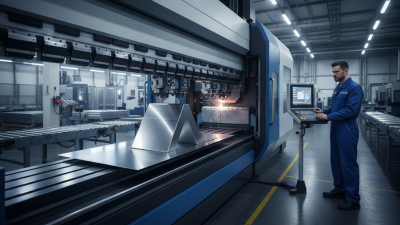
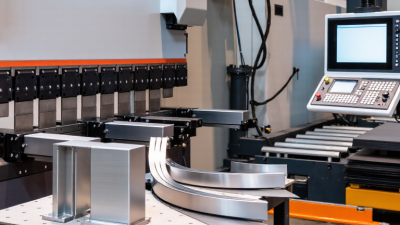
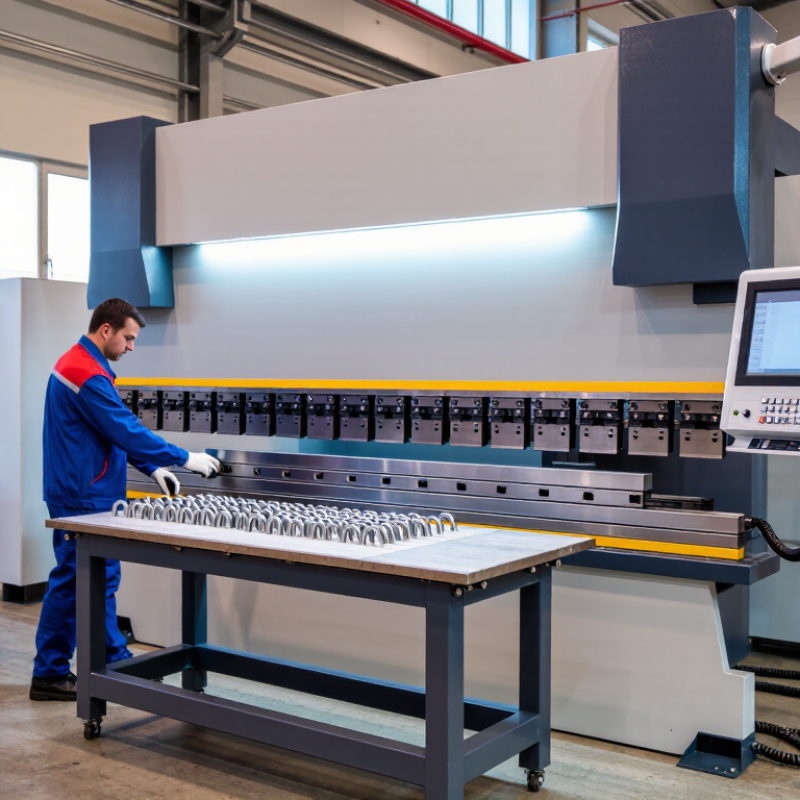
A press brake shapes sheet or plate metal by pressing it between a punch and a die. The punch moves downward while the die supports the material, creating a controlled bend rather than a cut. The opening angle, tool profile, material thickness, and bend length all affect the result. Small changes matter.

An operator may make a test bend, measure its angle, then adjust ram depth or tooling. Modern controls can store bend sequences and compensate for springback, the metal’s tendency to relax after forming. Setup still matters. Poorly matched tooling or an incorrect material setting can leave a flange too open, even on a capable machine. Press brakes are commonly used to make equipment enclosures, brackets, panels, and duct sections.

When comparing machines for a 2026 purchase, match working length and bending force to the parts you actually produce. Consider control features, tool availability, guarding, and the service support available in your area. A specification sheet can make maximum capacity look decisive, but it rarely shows how easily a machine handles short runs, awkward parts, or frequent changeovers. A practical test with your material can reveal more than a polished brochure.

What Are the Best Press Brakes to Buy in 2026?

How press brake tonnage relates to material thickness in air bending

Estimates use the air-bending formula F = 1.42 × tensile strength × bend length × thickness² ÷ V-die opening, assuming 450 MPa tensile strength, a 1 m bend, and a V-opening equal to 8 times material thickness. Actual force varies with material, tooling, and setup. When comparing press brakes, check required force across the full bend length and allow for the machine’s rated capacity and tooling limits.

Key Factors to Consider When Choosing a Press Brake in 2026

What Are the Best Press Brakes to Buy in 2026?

Key Factors to Consider When Choosing a Press Brake in 2026

Choosing a press brake starts with the work you actually run. Match press capacity and bed length to your thickest material, largest parts, and expected production volume. Allow for material strength and tooling setup; thickness alone does not determine the force required. A machine that is too small can limit jobs, while excessive capacity may add cost and take up valuable floor space. Check the working area, backgauge range, and available tooling before comparing specifications.

Tips: Bring a few real part drawings to the supplier. Ask for a sample bend using your material and tooling. Check angle consistency across the bed, not just at one point.

Consider setup time, operator training, control features, guarding, and local service support. For frequent repeat work, programmable controls and a suitable backgauge can reduce manual adjustments. Ask how the machine handles deflection and whether crowning is needed for your typical parts. Compare energy use and maintenance requirements, too. A tidy specification sheet is not proof of a good fit. I would also leave room for jobs you may take on later, without paying for capacity you are unlikely to use.

Comparing Hydraulic, Electric, and Hybrid Press Brakes

Choosing a press brake in 2026 starts with the work it must repeat, not the newest control panel. Hydraulic machines remain a practical choice for heavy materials, long bends, and demanding production schedules. Their familiar design can be easier for maintenance teams to service. However, pumps and oil require attention, and energy use may continue between strokes. That cost is easy to overlook.

Electric press brakes use servo-driven systems to move the ram. They can offer precise positioning, quick response, and lower energy use during idle periods. For shops making many small or detailed parts, repeatability and reduced noise may matter more than maximum tonnage. Yet an electric model is not automatically the better buy. Check its rated capacity across the working length, and test it with your actual material and tooling.

Hybrid machines combine hydraulic force with electric control, aiming to balance capacity and efficiency. They may suit mixed production, but added system complexity deserves careful review. Ask about service access, training, and expected maintenance—not just cycle speed. A useful buying test is simple: bend a representative part, measure the angle at several points, and compare the result with your tolerance. Some decisions remain uncertain until that test happens. A specification sheet cannot reveal every shop-floor frustration.

Best Press Brake Options by Shop Size and Production Needs

What Are the Best Press Brakes to Buy in 2026?

Best Press Brake Options by Shop Size and Production Needs

A small job shop may benefit most from a compact, programmable press brake with quick setup and flexible tooling. Small shops need versatility. Look for enough capacity for your common materials, not just the thickest sheet you might handle once a year. A larger machine can consume floor space and capital without improving everyday throughput. For repeat, high-volume work, prioritize fast backgauges, consistent bend accuracy, and tooling changes that do not stall the next batch.

Growing shops often need a middle ground: programmable controls, reliable angle measurement, and room to add automation later. Large production facilities should compare cycle time, operator access, service support, and integration with material handling. The U.S. Bureau of Labor Statistics projects 13% employment growth for industrial machinery mechanics from 2023 to 2033. That makes maintainability worth weighing alongside speed: complex equipment is less useful if trained support is hard to schedule. I would still question any recommendation based only on tonnage; real part mix matters more.

Tips: Bring three representative drawings to supplier demonstrations. Ask to bend your actual material, then inspect repeatability across several parts. Record setup time, not just cycle time. And leave some room for imperfect forecasts.

How to Evaluate Costs, Safety, and Long-Term Support

What Are the Best Press Brakes to Buy in 2026?
How to Evaluate Costs, Safety, and Long-Term Support

A press brake’s purchase price is only the first line on the quote. Compare tooling, installation, operator training, energy use, and expected maintenance over five to ten years. Ask suppliers for a written service response time and prices for common wear parts. The 2024 Deloitte and Manufacturing Institute report projects 3.8 million U.S. manufacturing jobs may be created by 2033, with 1.9 million potentially unfilled. That makes clear training plans and accessible technical support practical buying criteria, not extras.

Safety deserves a hands-on review. Check how the machine controls access to the tooling, supports setup adjustments, and handles a fault or power loss. Have operators test the interface with realistic jobs, including short runs and awkward bends. Verify safeguards against applicable workplace requirements, and budget for inspections and refresher training. A fast machine is not a good value if safe setup slows every shift.

Tips: Request a sample bend test using your material and tooling. Compare angle consistency, setup time, and scrap—not just advertised tonnage. Ask for references from shops with similar workloads. One detail is easy to overlook: keep a modest allowance for downtime and training; estimates can be imperfect, but ignoring both is worse.

What Are the Best Press Brakes to Buy in 2026?

A practical comparison of press-brake types for evaluating purchase cost, safety, and long-term support.

Machine Type Typical Capacity and Work Indicative New-Machine Budget (USD) Energy and Operating Considerations Safety Evaluation Long-Term Support Checks Best Fit
Manual or entry-level hydraulic Often around 20–50 tons with a 4–6 ft working length; suited to lighter sheet-metal parts and lower production volumes. About $15,000–$45,000, depending on capacity, controls, tooling, and included safeguards. Hydraulic systems use power while operating and may require routine oil, filter, and seal maintenance. Compare idle-power behavior and service intervals. Check for appropriate point-of-operation safeguarding, emergency stops, safe setup procedures, and documented operator training. Confirm compliance with applicable local requirements. Ask about parts availability, service response times, hydraulic-system documentation, and training for setup and maintenance. Small shops, occasional bending, and buyers prioritizing a lower initial investment.
CNC hydraulic Commonly 80–200 tons and 8–12 ft; handles a broad range of general fabrication work, subject to material thickness, bend length, and tooling. About $50,000–$180,000. Options such as additional axes, advanced controls, tooling, and safety systems can raise the total. Versatile for varied jobs. Variable-speed or demand-based hydraulic systems can reduce energy use compared with systems that run continuously, depending on design and duty cycle. Evaluate the complete safeguarding package, including the control system, access protection, stopping behavior, and safe tooling-change procedures. Review the machine’s safety documentation. Confirm software and control support, availability of replacement components, remote diagnostic options, and technician coverage in your area. Job shops and manufacturers needing flexibility across different materials, part sizes, and production runs.
Electric servo Often around 20–100 tons and 4–10 ft; typically used for lighter-to-medium bending where repeatability and shorter cycle times matter. About $80,000–$250,000, depending on capacity, automation, control features, and safeguards. Servo-driven systems can use less energy during idle periods than continuously running hydraulic designs. Actual savings depend on the machine, workload, and operating schedule. Do not treat the drive type as a substitute for guarding. Review risk assessment, safety-related controls, access protection, and procedures for maintenance and stored energy. Ask about servo-drive and control-component repair, software support periods, diagnostic tools, and availability of qualified service personnel. Shops with frequent short runs, repeatable parts, and a focus on cycle efficiency or lower idle energy use.
High-capacity hydraulic Typically 200 tons and above, often with longer beds; appropriate for heavier plate, longer bends, or demanding production when correctly sized for the job. About $150,000–$500,000 or more. Capacity, bed length, foundation needs, automation, and special tooling strongly affect cost. Consider installed electrical demand, hydraulic cooling, foundation requirements, tooling weight, and the cost of handling large workpieces. Assess the entire work area, including material handling and access at both ends of the machine. Verify safeguards and operating procedures for the intended tooling and workpiece sizes. Check local heavy-equipment service capability, lead times for major components, commissioning support, and preventive-maintenance requirements. Heavy fabrication and production environments with regular demand for high tonnage or long bends.
Automated press-brake cell Capacity varies; may combine a CNC press brake with robotic part handling, safety-rated cell controls, and related equipment. Often $250,000–$1,000,000 or more for a complete cell, depending on the press brake, robot, integration, guarding, and software. Evaluate the cell as a system: electrical demand, compressed air if required, changeover time, staffing, uptime, and the energy use of all integrated equipment. Require a documented cell-level risk assessment, coordinated safeguards, safe access and recovery procedures, and training for operators and maintenance staff. Identify who supports the press brake, robot, controls, and integration. Clarify service responsibility, software updates, spare parts, and recovery support before purchase. High-volume production with stable part families and a business case for reduced manual handling or increased unattended operation.
Buying note: Budget figures are broad 2026 planning estimates in USD, not supplier quotations. Actual prices vary by region, specifications, tooling, installation, training, freight, and safety options. Compare total cost of ownership—not just the machine price—and verify capacity for your material, thickness, bend length, and tooling. Before purchase, review applicable safety regulations and obtain machine-specific documentation.