Choosing a CNC bending machine in 2026 means balancing production needs, part accuracy, and long-term operating costs. A capable machine can help produce consistent bends, but its value depends on the work it will actually perform. Sheet thickness, material type, bend length, tooling, and daily output all affect the right choice. Small details matter. A control system that looks intuitive in a demonstration may still require training, while limited tooling options can slow real production.
This guide presents ten machines worth considering, with attention to practical factors such as capacity, programming, repeatability, support, and ease of setup. Specifications vary by configuration, so compare the exact model and options offered by each supplier. Ask how the machine handles your materials, and request a sample bend using a representative part whenever possible. Check service availability and spare-parts support, too. A purchase price alone rarely tells the whole story.
A shortlist is only a starting point, not a verdict. The best fit for a high-volume shop may be excessive for a small fabricator, and a lower-cost option may demand compromises in speed or flexibility. It depends. Use these reviews to frame better questions before requesting quotes. Then verify the numbers, inspect the details, and judge each machine against your own production requirements.
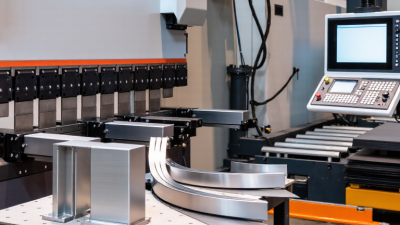
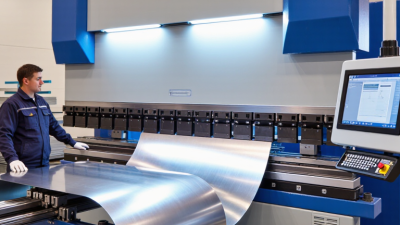
A CNC bending machine forms sheet metal by pressing it between a punch and a die. The controller coordinates the ram, backgauge, and bend sequence. Operators enter dimensions, material details, and target angles, then position the blank against the gauge. The punch descends with controlled force. The metal bends along the die opening.
Small errors matter. Material thickness, grain direction, and springback can change the final angle. A machine may calculate a starting position, but a test bend still helps confirm the setup. Operators measure the part and adjust the program when needed. The first setup is rarely perfect. That takes practice.
These machines are used to make electrical enclosures, brackets, equipment panels, and duct sections. They suit repeat work because stored programs can help maintain consistent dimensions across batches. For a cabinet panel, for example, several bends must align so the finished edges meet cleanly. Tool choice and bend order affect whether the part clears the machine and stays free of marks. Automation reduces repeated manual positioning, but it does not replace careful inspection. Even a well-programmed job can produce a bad part if the sheet is loaded incorrectly or the tooling is worn. Operators should verify the first pieces and watch for changes during production.
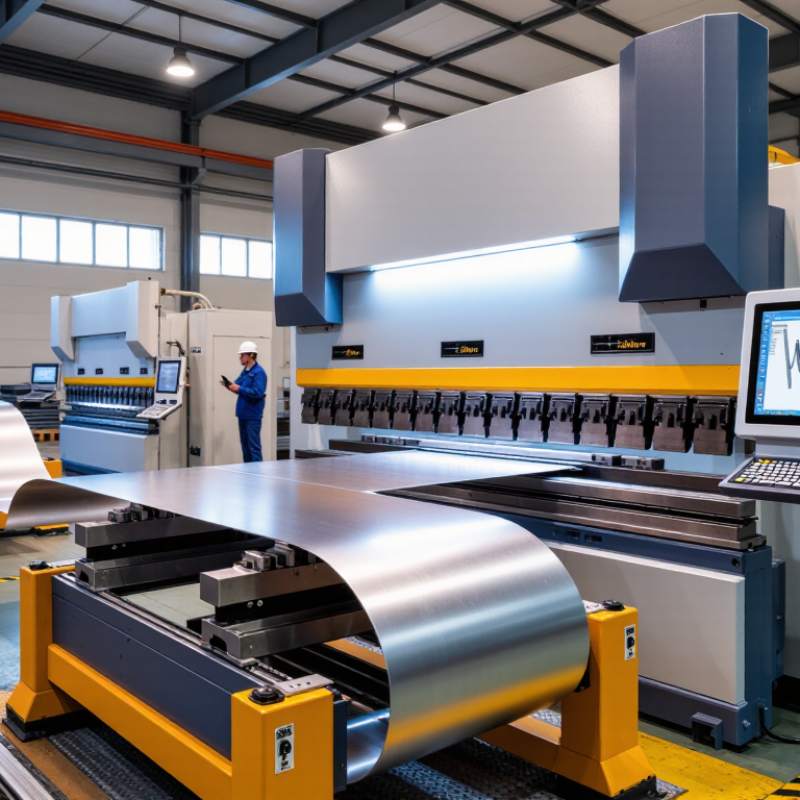
A CNC press brake uses programmed axes to position the bending beam and backgauge, forming sheet metal into precise angles and shapes.
This representative six-axis setup has two axes for ram movement (Y1/Y2) and four for backgauge positioning (X, R, Z1, and Z2). Configurations vary by machine. CNC bending is commonly used to make sheet-metal enclosures, brackets, panels, and other formed parts.
Choosing a CNC bending machine in 2026 starts with the parts you actually make. Record material type, thickness, bend length, radius, and daily production volume. A machine rated for one material may perform differently with another. Ask for capacity data that matches your workpiece, not just a headline maximum. Check tooling availability, changeover time, and whether the control can store repeat jobs. Small setup delays add up.
Control features matter when parts have several bends. Look for clear programming, collision warnings, and simulation that shows the tool path before production. Confirm the machine supports the required axes and backgauge positions. Then check guarding, emergency stops, operator access, maintenance intervals, and local technical support. A larger frame may seem reassuring, yet it can waste floor space and energy if your workload is light. The best fit is not always the most automated one.
Tips: Bring a representative drawing and sample material to a supplier demonstration. Compare the finished angle, repeatability, setup time, and scrap—not only bending speed. Ask how calibration is checked, and request a written service plan. If a specification remains unclear, pause and verify it. That extra step may feel tedious, but guessing can be costly.
Ten CNC bending machines to consider in 2026 include electric, servo-hydraulic, and hybrid press brakes. Each offers different combinations of speed, force, energy use, and maintenance needs. Tandem press brakes handle long workpieces; panel benders suit repeat sheet-metal panels. CNC tube benders shape tubing around a die, while pipe benders handle larger, heavier sections. Wire benders form small wire parts. Roll benders curve sheet or plate, and section benders shape structural profiles. A robotic bending cell adds automated part handling to a press brake. The best fit depends on the material, bend radius, part size, and production volume.
Compare machine specifications against your actual drawings, not just advertised capacity. A thick steel sample and a thin aluminum part can behave very differently. Check tool availability, setup time, backgauge range, guarding, service access, and operator training. Ask for a sample bend using your material and inspect springback, angle consistency, and surface marks. One compromise is unavoidable: a faster setup may not suit every unusual part.
Tips: Bring several representative parts to a supplier demonstration. Confirm the stated capacity for your material and bend length. Ask how calibration and routine maintenance are handled. Record the finished angle and cycle time, then compare results across machines. A neat brochure is useful, but real parts tell more.
| Machine Configuration | Bending Process | Typical Capacity | Common CNC Axes or Controls | Best Suited For |
|---|---|---|---|---|
| Compact CNC press brake | Air bending or bottom bending | About 30–50 metric tons; 1.0–1.3 m working length | 2–4 axes; CNC ram and backgauge control | Small parts, light-gauge sheet, and workshops with limited floor space |
| General-purpose CNC press brake | Air bending or bottom bending | About 80–135 metric tons; 2.5–3.2 m working length | 4–6 axes; programmable backgauge and ram position | Job shops processing a mix of steel, stainless steel, and aluminum sheet |
| Heavy-duty CNC press brake | Air bending or bottom bending | About 160–300 metric tons; 3–4 m working length | 4–8 axes; options may include crowning and angle measurement | Thicker plate, structural parts, and higher-volume fabrication |
| Long-bed CNC press brake | Air bending or bottom bending | About 300–600 metric tons; 4–6 m working length | 4–8 axes; multi-axis backgauge and ram control | Long panels, machine frames, and large fabricated components |
| Tandem CNC press brake system | Synchronized press-brake bending | Two machines commonly provide a combined 6–12 m working length; force depends on each machine | Coordinated CNC control with synchronized ram and backgauge movement | Very long workpieces that exceed a single press brake’s bed length |
| CNC panel bender | Automated up-and-down flange bending | Often processes sheet around 0.5–3 mm thick; working dimensions vary by machine | CNC-controlled bending tools, sheet handling, and angle programming | Repeat production of cabinets, enclosures, doors, and panels |
| CNC folding machine | Clamping-beam folding | Commonly handles sheet around 0.5–3 mm thick, depending on material and working length | Programmable folding beam, clamping beam, and backgauge | Thin-sheet parts, wide panels, and bends where surface marking should be minimized |
| CNC rotary-draw tube bender | Rotary-draw bending with a bend die and clamp | Typical small-to-medium systems handle tube outside diameters of roughly 6–50 mm | 3–8 axes; programmable bend angle, rotation, and feed | Automotive, furniture, exhaust, and other repeat tube assemblies |
| CNC mandrel tube bender | Mandrel-supported rotary-draw bending | Capacity varies widely; many production systems cover tube diameters from about 10–100 mm | Multi-axis control for bend, rotation, feed, and mandrel functions | Thin-wall tubing and parts requiring tighter bends with reduced wrinkling or flattening |
| CNC section and profile bender | Three-roll or variable-geometry roll bending | Capacity depends on profile shape and section modulus; machines range from small bars to large structural sections | CNC roll position, feed, and pass control; optional profile-specific tooling | Arcs and rings made from angle, channel, flat bar, tube, and structural profiles |
Capacity figures are representative ranges for common machine configurations, not specifications for a particular product. Actual capacity depends on material grade, thickness, tooling, bend radius, and machine setup.
A practical 2026 shortlist spans compact electric, hybrid, and hydraulic press brakes; panel benders; robotic press-brake cells; tandem brakes; three-roll and four-roll plate rollers; CNC tube benders; and wire or profile benders. Electric brakes often suit precise, repeatable parts and quieter shops, but may not fit every heavy-duty job. Hydraulic machines handle demanding work, though energy use and maintenance deserve attention. Panel benders can speed up box-shaped parts, while robotic cells reduce repetitive handling but need careful setup and programming.
Tips: Match rated tonnage and working length to your thickest material and longest part. Ask suppliers to demonstrate your actual material, tooling, and bend sequence. Check how quickly operators can change tools, load programs, and correct springback. Not always flexible. A fast machine can still become a bottleneck if setup takes too long.
For plate rolling, four-roll designs typically offer more control during pre-bending; three-roll machines may cost less but require more handling. Tube and profile benders depend heavily on die choice, feed control, and material consistency. Compare repeatability, service access, guarding, software, and training—not just advertised speed. A specification sheet cannot predict every shop-floor surprise. I would treat any “best” ranking as a starting point, since part mix and operator skill can change the result.
A CNC bending machine should match the parts you actually make, not an optimistic future order. Check material type, thickness, bend length, and typical angle changes against the machine’s rated capacity. A 3-meter bed sounds useful, but it may be wasted space if most parts are small. Look for repeatable positioning, accessible tooling, and controls your operators can learn without guesswork. Ask the supplier to bend a sample using your material, then check the flange and angle. Small deviations matter.
Tips: Bring three representative drawings, including your most difficult bend. Confirm tooling availability, setup time, guarding, maintenance access, and service support. Compare the full installed cost, not just the machine price. A low quote can leave important gaps.
Consider the daily workflow, too. Will blanks load safely? Can the machine fit beside existing workstations? Review programming support and data-transfer needs before deciding. Ask for references from shops with similar materials and production volumes. Estimates rarely capture every setup delay, so leave room for uncertainty. A technically capable machine may still be wrong for your floor. The best fit handles today’s work reliably and allows for realistic changes.