Choosing a metal sheet bending machine is a production decision, not just a comparison of tonnage and price. The wrong fit can leave operators waiting, parts needing rework, or a press brake standing idle between short runs. Small details matter: sheet thickness, bend length, material type, and the radius shown on the drawing. So does the work mix. A shop making repeated stainless-steel enclosures has different needs from one handling occasional, oversized plates.
Industry data adds useful context, though it cannot choose a machine for you. The International Federation of Robotics reported 541,302 industrial robots installed worldwide in 2023 in its World Robotics 2024 report. That figure reflects growing automation, but it is not a forecast for bending machines. It does make loading, programming, and integration worth discussing when comparing equipment. The U.S. Bureau of Labor Statistics projects 6% employment growth for sheet metal workers from 2023 to 2033, with about 12,300 openings annually. Labor availability can therefore be part of the practical calculation. These numbers help frame the decision. They do not replace production records.
Before comparing models, gather real job data: material grades, thickness ranges, daily part quantities, changeover frequency, and acceptable tolerances. Ask suppliers to demonstrate your actual parts, not only a polished sample. Check tooling availability, control usability, service response, and operator training. A machine may have impressive capacity on paper. That alone is not enough. I would also question any recommendation based only on the thickest sheet you process; it may overlook the everyday work that determines throughput and payback.
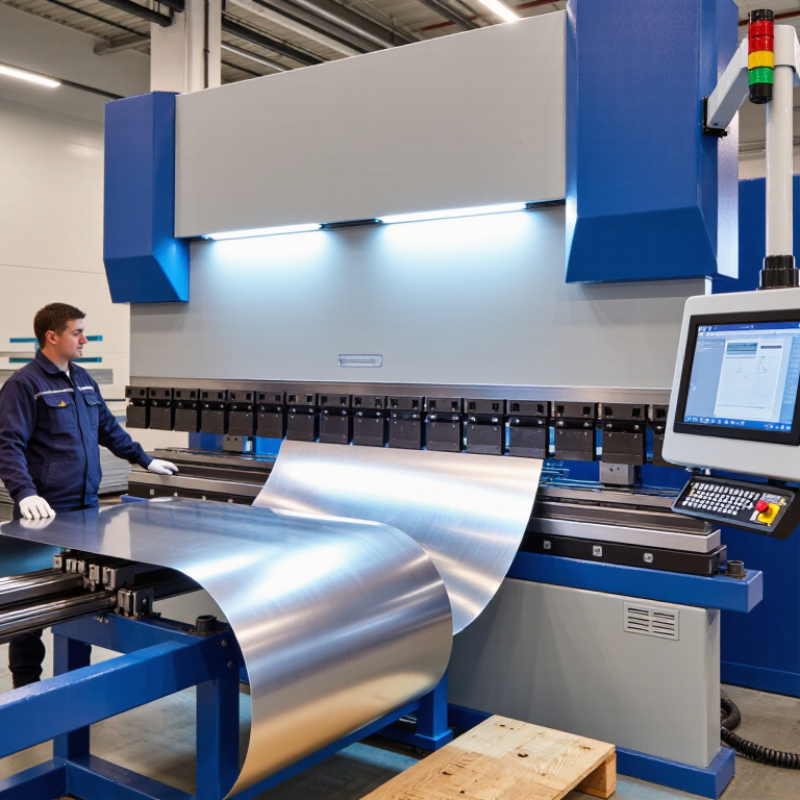
A metal sheet bending machine should be selected around the actual material, thickness range, and finished bend—not a single “typical” job. List each alloy and temper, then record the thinnest and thickest sheets you expect to run. Different tempers can behave differently, even at the same thickness. Small details matter.
Material strength affects required bending force and springback. ASTM B209/B209M specifies a minimum tensile strength of 228 MPa for 5052-H32 aluminum, while ASTM A240/A240M sets 515 MPa for annealed Type 304 stainless steel. These are specification minimums, not guarantees for every batch. Confirm the mill certificate and test samples; I have seen estimates go wrong when “aluminum” was treated as one material. A harder temper may need more force and a larger inside radius.
Define the bend profiles, too: simple 90-degree flanges, shallow channels, hems, or boxes with return flanges. Note the inside radius, flange length, bend direction, and whether parts need multiple setups. A 2 mm sheet with a short flange can be more restrictive than a thicker, open profile. Share sample drawings with the machine supplier and ask for a trial using your actual material. Measure angle after release, not only while the sheet is under pressure; springback can change the result.
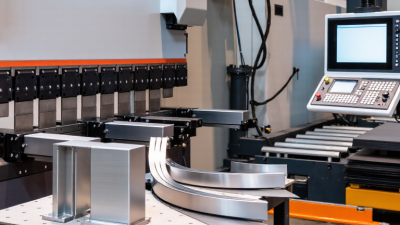
Choose the machine around the parts you actually make, not the largest job you might handle someday. A press brake suits varied profiles and repeatable bends, while a box-and-pan brake is practical for trays, enclosures, and folded edges. Check the flange depth and bend sequence on a sample drawing. A machine can have enough bending force and still lack the space for the part. Geometry matters.
Capacity needs more than a maximum sheet-thickness figure. Compare the material type, thickness, and bend length with the machine’s capacity chart; stronger alloys may need more force than mild steel of the same thickness. Tooling also changes the result. The punch and die opening affect bend radius and force, so ask whether the tools you need are included. Leave a sensible margin for regular production. Barely enough is risky.
Consider how often the machine will run and who will operate it. A manual machine may suit occasional, short jobs; powered models can reduce effort on longer or repeated bends. Check available floor space, power supply, handling equipment, and setup time before choosing. A paper specification can still mislead. Test a representative part if possible, then inspect the bend angle, edge quality, and fit. One small trial can reveal a mismatch that a brochure will not.
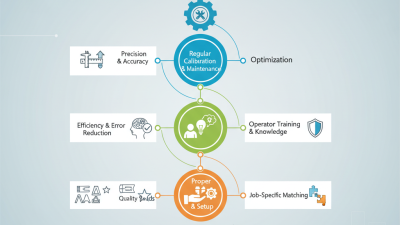
A metal sheet bending machine should produce repeatable angles, not just impressive specifications. Check accuracy across the working length using test bends in the materials and thicknesses you actually process. Measure both ends and the center; a small angle difference can affect how panels fit during assembly. Ask how the machine compensates for deflection and how operators verify settings. Small details matter.
Controls should make corrections clear and predictable. Look for readable displays, stored job settings, and straightforward adjustments for bend angle and material thickness. If operators must guess which value to change, setup errors become more likely. Try a sample job with someone who will use the machine daily. The interface may seem simple at first, yet unfamiliar menus can slow a busy shift.
Tooling and setup flexibility shape what work the machine can handle. Check punch and die options, tool-change time, and whether common profiles fit without awkward repositioning. Leave room for unusual parts, too. A narrow V-die may suit one thickness but mark or distort another. It takes time. Compare setup steps for a short batch and a long run, including tool alignment and back-gauge adjustments. I would not assume every advertised capability will suit your shop; a practical trial can reveal inconvenient limits.
How to Choose a Metal Sheet Bending Machine?
Compare Safety Features, Automation, Space, and Operating Costs
Start with safety features that match your actual tooling and parts. Check guards, light curtains, emergency stops, and access during setup. The U.S. Bureau of Labor Statistics reported 3.3 recordable injury and illness cases per 100 full-time workers in manufacturing in 2023. This industry-wide figure does not predict risk at a specific machine, but it makes guarding and operator training worth careful review. Small details matter.
Automation can reduce repetitive work, but its value depends on batch size, changeovers, and operator skills. Compare manual and automated loading using your real parts, not a showroom demonstration. Measure the full footprint, including sheet storage, rear clearance, and service access. The U.S. Department of Energy’s motor-systems sourcebook estimates that motor-driven systems account for about 68% of U.S. manufacturing electricity use. That is not a bending-machine estimate; track actual energy use, maintenance, and downtime to understand operating costs. There is no perfect scorecard: a fast automated cell may not suit short, varied runs.
Tips: Ask for a timed trial with your sheet thickness and part. Record setup time, scrap, energy use, and operator reach. Then price training and maintenance.
| Machine Type | Safety Features to Check | Automation and Best-Fit Work | Space Considerations | Operating Cost Considerations |
|---|---|---|---|---|
| Manual box-and-pan brake | Check for secure workpiece clamping, stable supports, clear operating instructions, and enough room to keep hands away from pinch points. Risk assessment and suitable work practices are still necessary. | Low automation; the operator positions the sheet and makes bends by hand. Suited to simpler, lower-volume work and short runs where flexibility matters more than production speed. | Usually a relatively simple installation, but allow working clearance for long sheets, operator movement, and material handling. | No powered bending drive, but output depends heavily on operator time. Consider labor, setup, material handling, and the limits on part size and production rate. |
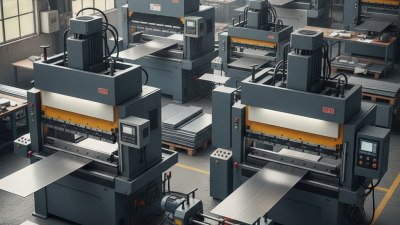
| Conventional hydraulic press brake | Confirm the machine has appropriate guarding and a suitable safety system for its tooling and operating mode. Check emergency stops, controls, maintenance access, and compliance with applicable local requirements. | Low to moderate automation, depending on the controls and backgauge. Suitable for general-purpose bending, varied jobs, and production volumes that do not require extensive automated handling. | Requires floor space for the machine, tooling changes, operator access, and loading and unloading long or heavy sheets. | Hydraulic power use, oil and filter maintenance, tooling, setup time, and operator skill affect costs. Actual consumption varies with machine design, workload, and duty cycle. |
| CNC hydraulic press brake | In addition to guarding and suitable safety controls, assess the protected work area, operating modes, setup procedures, and measures for handling large sheets. Safeguards depend on the machine configuration and application. | Higher programming capability can support repeatable bends and multi-axis backgauging. Useful for repeat work, complex parts, and frequent job changes; automation of loading or unloading is a separate option. | Allow for the press brake, control access, tooling storage, and the space needed to position and move sheets. Automated material handling can increase the required area. | Programming and setup can reduce time on repeat jobs, while investment in controls, training, tooling, and maintenance adds cost. Hydraulic system use remains workload-dependent. |
| Electric servo press brake | Check guarding, safety controls, operating modes, and safeguarding for the actual tooling and workpiece. An electric drive does not remove press-brake pinch and crushing hazards. | CNC control and servo-driven motion can support precise, repeatable bending. Often considered for accurate, repeat production; capability and suitability depend on material, thickness, machine capacity, and job mix. | Space needs are determined by machine capacity and sheet handling. Compare the complete working cell, not just the machine footprint. | Electric drive systems may use less energy than some hydraulic systems in certain duty cycles, but results vary. Compare measured or supplier-verified consumption, purchase price, maintenance, and expected utilization. |
Selection note: These are general comparisons, not guarantees. Confirm bending capacity for your material and thickness, assess the complete machine cell, and verify safety requirements with a qualified professional and the applicable local regulations.
When choosing a metal sheet bending machine, check the service support as carefully as its capacity. Ask who handles installation, operator training, troubleshooting, and routine maintenance. Get clear details about response times and the availability of common wear parts, such as seals or tooling. A helpful sales conversation is not enough; ask to speak with a service technician. Their answers can reveal whether support is practical after delivery. Small details matter.
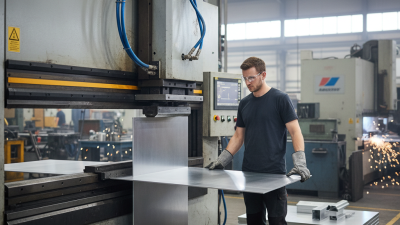
Before purchase, arrange a live test using sheet material close to your usual thickness and width. Watch the operator set the back gauge, clamp the sheet, and adjust the bend angle. Measure the finished part with an angle gauge, then repeat the bend to check consistency. Listen for unusual vibration and look for uneven clamping or marks on the sheet. Ask how the machine responds when settings change. One test cannot predict every production issue, but it can expose problems that a brochure will not. Request written test results and note the material and settings used.
Tips: Bring a simple sample drawing and your own measuring tools. Take notes during the test. If a result seems slightly off, ask to repeat it rather than assuming it was a one-time mistake.