What Is a Zipper Bag Packing Machine?
A Zipper Bag Packing Machine is equipment that fills and seals pre-made pouches with reclosable zipper closures. It can reduce repetitive handwork and help keep packing steps consistent. But it is not one universal machine. Designs vary with pouch size, product type, output goals, and the level of automation.
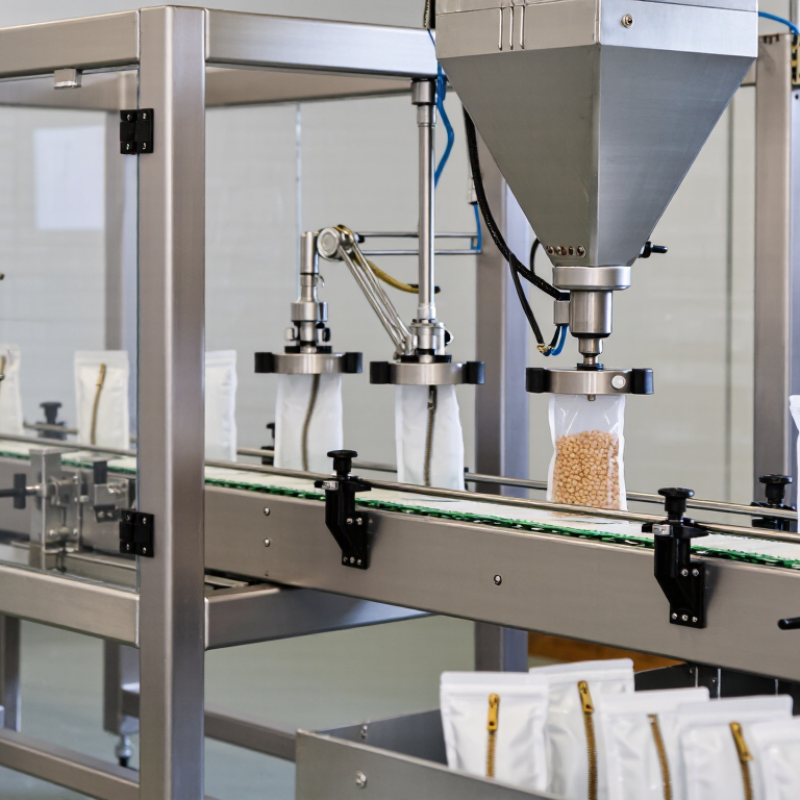
A typical line picks up a pouch, holds it open, adds a measured amount of product, and seals the top edge. You may see a bag magazine, gripping arms, an opening station, a filling device, and heat-sealing bars. Small details matter. A zipper that is not fully opened can obstruct filling, while crumbs or powder near the seal may weaken the closure. Operators often check sample packs during setup and production, rather than assuming every pouch is identical.
Some machines handle snacks, grains, powders, or small hardware; each product calls for suitable dosing and handling. Still, the name can be a little misleading: the machine does not necessarily apply a zipper to flat film. Many models work with pouches that already have zippers. Buyers should compare pouch dimensions, zipper position, filling accuracy, cleaning access, and changeover time. Ask suppliers to test the actual pouch and product when possible. A demonstration with empty bags may not reveal feeding problems. The right choice is the one that fits the real packaging job, not just the fastest figure on a brochure.
Definition and Purpose of a Zipper Bag Packing Machine
A zipper bag packing machine fills and seals pouches fitted with a reusable zipper closure. Most systems handle premade bags. They pick up each pouch, open its mouth, dispense a measured amount of product, and heat-seal the top edge. The zipper lets customers reopen the package later. The heat seal provides the initial closure. That distinction matters.
The machine’s purpose is to make pouch packing more consistent and reduce repetitive manual work. Depending on the design, it may include a bag magazine, opening station, filling nozzle, and sealing jaws. Operators need to match settings to the pouch material, product, and fill weight. A powder may need different handling from chunky food or small hardware. No setup is perfect for every product. Seal quality and fill accuracy still need regular checks.
Tips: Test a sample pouch before a full run. Check that the zipper opens smoothly and the top seal is even. If product gets caught near the sealing area, adjust the fill position or pouch opening. Small details count.
What Is a Zipper Bag Packing Machine? — Definition and Purpose
A zipper bag packing machine automates the handling, filling, and sealing of pre-made bags with resealable zippers. The bars show the usual sequence of operations; the numbers indicate step order, not measured time or machine performance.
Main Components and Their Functions
A zipper bag packing machine fills and seals pre-made pouches with reusable zipper closures. Its bag magazine stores pouches, while a pickup mechanism separates and presents each bag. Opening jaws or suction cups spread the pouch mouth. A zipper-opening station may separate the tracks before filling, helping prevent product from catching in the seal area. The Flexible Packaging Association’s 2023 State of the Industry report valued U.S. flexible-packaging sales at $42.9 billion in 2022, showing the scale of this packaging format.
The dosing unit measures product by weight or volume, then releases it into the open pouch. For powders, a funnel helps limit spills; for solid pieces, a controlled drop reduces impact. Sealing jaws apply heat and pressure to close the pouch above its zipper. Temperature, dwell time, and pressure must work together. A date coder prints batch details, and sensors check bag position, filling, and sealing. A programmable controller coordinates these steps. Even a well-tuned machine may need adjustment when pouch film or product changes.
Tips: Test actual pouches before production. Check that the zipper closes cleanly and that product has not lodged in the seal. Record seal settings; small changes can matter.
How the Packing Process Works
What Is a Zipper Bag Packing Machine?
How the Packing Process Works
A zipper bag packing machine moves empty pouches through a series of controlled stations. A magazine holds the bags upright, and grippers pick them up one at a time. Suction cups may help separate the pouch walls. Small adjustments matter: a curled corner can prevent a clean opening.
The machine opens each pouch and checks its position before filling. Air or mechanical fingers can spread the zipper tracks apart. A scale or dosing unit then releases the product into the bag. The amount depends on the recipe and target weight. Keep the zipper area clear. Product caught between the tracks can stop the seal from closing properly.
After filling, the machine brings the zipper tracks together and seals the pouch, often with heat and pressure. The required settings vary with the packaging material and thickness, so operators should verify them with sample bags. A poorly aligned zipper may look closed but still leak. That check is easy to overlook. Sensors can flag missing bags or filling errors, but they do not replace routine inspection. In practice, the opening station can be fussy, especially when bags vary slightly in shape. Regularly checking grip, fill level, and seal quality helps catch small problems before they affect a full run.
Products and Materials It Can Handle
A zipper bag packing machine fills and seals premade pouches fitted with a press-to-close zipper. It can package dry snacks, coffee, powders, pet food, small hardware, and selected personal-care products. The product’s shape and flow matter. Crisp pieces may bridge at the filling chute, while fine powder can cling to the zipper track and weaken the seal.
The Flexible Packaging Association’s 2024 State of the U.S. Flexible Packaging Industry report puts U.S. flexible-packaging sales at about $42.9 billion in 2023. That broad category includes many pouch structures, not every material a given machine can run. Common options include PET/PE laminates, foil-containing films, and newer mono-material PE or PP structures. Compatibility depends on film thickness, stiffness, zipper profile, and sealing temperature. Check the pouch supplier’s specifications and test actual samples.
Some machines can handle different pouch widths and zipper formats with change parts. Others need longer changeovers or struggle with unusually soft films. Even a small mismatch can wrinkle the pouch mouth. Powder needs careful dust control; oily or sticky products need clean sealing areas. The awkward part is that a film may run smoothly on one setup and poorly on another. Run trials with the real product, pouch, and target speed before choosing equipment.
Common Types and Industrial Applications
What Is a Zipper Bag Packing Machine?
Common Types and Industrial Applications
A zipper bag packing machine fills and seals flexible pouches fitted with resealable tracks. Common systems handle premade bags, opening each pouch before filling and sealing it. They suit products that benefit from easy access after opening. Some lines form bags from roll film and add zipper material during production. That setup can reduce manual handling, but it usually requires more adjustment.
Premade pouch machines are used for snacks, coffee, dried foods, pet food, and household products. Depending on the machine and product, operators may use scales, augers, or liquid fillers. A short test run can reveal whether pieces catch near the zipper or powder settles on the seal area. Small details matter.
Industrial applications also include personal-care refills, garden supplies, and hardware components. The right machine depends on bag width, zipper position, product texture, target speed, and cleaning needs. For example, oily snacks may require frequent checks around sealing surfaces, while granular products need controlled feeding. There is a trade-off: higher speeds can reduce time for accurate pouch opening and sealing. A practical specification should include the actual product and pouch, not just a desired output rate.