Industrial Machinery Company

Why Use Heat Shrink Wire Terminals?

Heat Shrink Wire Terminals are designed to make electrical connections more secure and better protected from moisture, dirt, and vibration. A crimped metal barrel grips the stripped wire, while the surrounding heat-shrink sleeve contracts when warmed. Many versions include an inner adhesive lining that softens and helps seal the connection. The result is a compact joint that can be easier to inspect and manage than an exposed crimp.

That added protection is useful in vehicles, marine equipment, outdoor lighting, and other settings where wiring faces movement or damp conditions. Small details matter. Choose a terminal that matches the wire gauge and connection type, then use a compatible crimping tool and controlled heat. The sleeve should shrink evenly without scorching, and the wire should remain firmly held when gently tugged. A neat exterior is not proof of a sound electrical connection.

These terminals are not a cure-all. They cannot compensate for the wrong size, a poor crimp, damaged wire, or unsuitable installation conditions. Even a tidy seal can hide a weak connection. That deserves a second look. This guide explores why people use Heat Shrink Wire Terminals, where they offer practical advantages, and what to check before relying on them. Proper selection and careful workmanship make the difference; the terminal alone does not.
Why Use Heat Shrink Wire Terminals?

What Heat Shrink Wire Terminals Are and How They Work

Heat shrink wire terminals combine a metal connector with a heat-shrinkable insulating sleeve. The metal barrel holds stripped wire strands after crimping. Inside the sleeve, an adhesive lining can soften when heated and help seal the connection against moisture and dirt. The sleeve also provides electrical insulation and strain relief around the wire entry.

The process is straightforward. Strip the wire to the length specified for the terminal, insert it fully, and crimp the barrel with a compatible tool. Then apply controlled heat until the tubing contracts evenly around the wire and connector. A small bead of adhesive may appear at the ends. Let the assembly cool before tugging or putting it under load. The result is simple.

These terminals are useful where vibration, splashes, or exposed wiring could weaken an ordinary connection. But a neat-looking sleeve does not guarantee a sound crimp. Match the terminal to the wire gauge, use the correct crimping die, and inspect for loose strands or uneven shrinkage. Too much heat can damage insulation; too little may leave the seal incomplete. That part is easy to underestimate. Choose a terminal suited to the environment, since not every heat-shrink type offers the same level of protection.

How Heat Shrink Terminals Protect Electrical Connections

Why Use Heat Shrink Wire Terminals?
How Heat Shrink Terminals Protect Electrical Connections

A wire joint can look secure and still be vulnerable. Water, dust, vibration, and repeated movement can reach exposed metal. Heat shrink terminals add an insulating sleeve around the crimped connection. When warmed evenly, the sleeve contracts over the wire insulation and terminal barrel. Many versions contain adhesive that softens and fills small gaps at the ends. This barrier helps keep moisture and contaminants from reaching the conductor. It also reduces rubbing against nearby edges. Small details matter.

The crimp itself carries the electrical load; the sleeve cannot fix a weak crimp. Choose a terminal that matches the wire gauge, then use a suitable crimping tool. After shrinking, check for a close fit and a slight bead of adhesive at the ends, if the terminal is adhesive-lined. Keep the heat source moving. Too much heat can damage insulation, while too little may leave loose edges. On a damp trailer connection, that imperfect seal can invite corrosion over time. Heat shrink terminals improve protection, but they are not magic. Inspect the finished joint, especially where wires flex or face weather.

Why Use Heat Shrink Wire Terminals?

How Heat Shrink Terminals Help Protect Electrical Connections

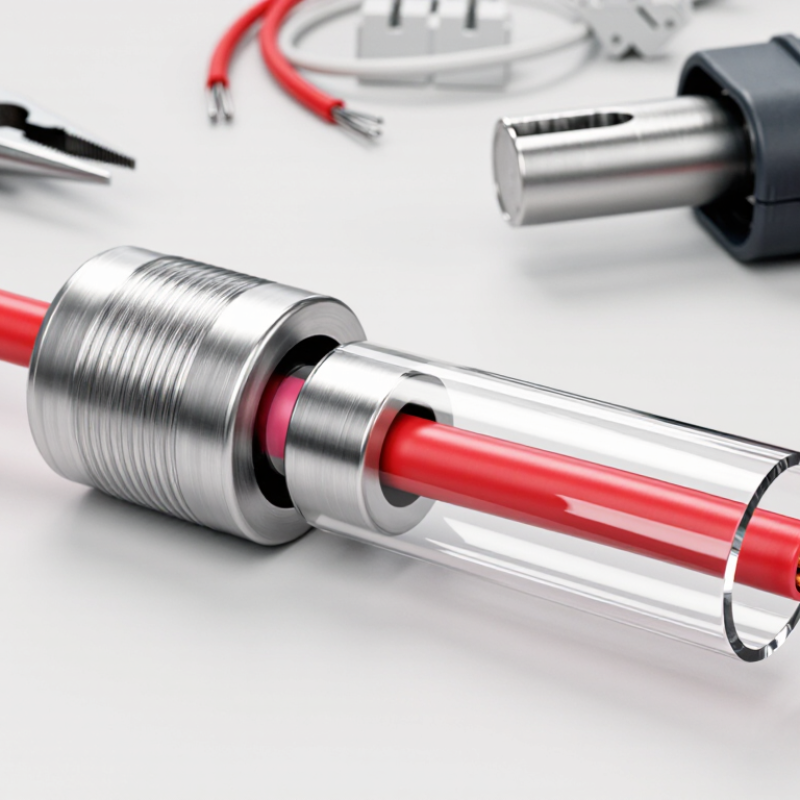
This illustrative example shows a 3:1 shrink ratio: a sleeve with a 9 mm expanded diameter can recover to about 3 mm. Heat-shrink insulation fits closely around a crimped connection, and adhesive-lined versions can help seal gaps against moisture and contaminants. Actual dimensions and protection depend on the terminal, wire, and installation; check the product specifications.

Key Benefits Compared with Standard Wire Terminals

Why Use Heat Shrink Wire Terminals?

Key Benefits Compared with Standard Wire Terminals

Standard insulated terminals protect the crimp, but their open ends can leave wire strands exposed to moisture and grime. Heat shrink terminals add a sleeve that contracts around the wire insulation when heated. Many versions also contain adhesive, which softens and fills small gaps around the connection. A useful difference. This extra barrier can help limit corrosion in vehicle wiring, outdoor equipment, and damp work areas.

The sleeve also supports the wire near the crimp. That can reduce movement where repeated vibration or pulling might otherwise fatigue the strands. That matters in practice. During installation, use a terminal matched to the wire gauge and a suitable crimping tool. Apply even heat and watch the tubing shrink; excessive heat can damage insulation, while too little may leave a loose seal. A heat gun gives more control than an open flame.

They are not magic. Heat shrink terminals cost more and take longer to install than many standard terminals. They may be unnecessary inside a dry, protected enclosure. And a sealed sleeve cannot rescue a poor crimp. Check the finished joint for a firm pull, full coverage, and no exposed strands. Real installations are rarely perfect, so inspect the connection again if it will face vibration or weather.

Common Applications Across Electrical Systems

Heat-shrink wire terminals are useful where a connection may face moisture, vibration, or dirt. After crimping, heat contracts the sleeve around the wire insulation and terminal barrel. Some versions include adhesive that softens and helps seal the joint. The seal can reduce exposure, but it does not make every connection waterproof.

In vehicles, these terminals can join wiring near lights, sensors, and accessories, where road vibration is common. On boats, they may be used in protected wiring runs exposed to damp air or occasional splashes. They also suit outdoor lighting, garden equipment, and control panels in workshops. Small details matter.

In HVAC equipment, a properly crimped terminal can help keep a service connection stable despite vibration and temperature changes. For exterior installations, select a terminal rated for the environment and the wire size. Use a suitable crimping tool, then apply controlled heat with a heat gun. Avoid scorching the insulation.

Not magic. A neat seal can still hide a weak crimp or damaged wire. Inspect the connection, confirm it cannot pull free, and follow the equipment maker’s wiring instructions. Isolate power before working on a circuit, and ask a qualified technician when the circuit or fault is unclear.

Why Use Heat Shrink Wire Terminals? - Common Applications Across Electrical Systems
Application Common Terminal Types Why Heat Shrink Terminals Are Used Important Selection Notes
Automotive wiring Butt connectors, ring terminals, spade terminals The heat-shrink sleeve can provide insulation, strain relief, and protection against moisture and road contaminants when correctly installed. Choose a terminal suited to the wire gauge, current, temperature, and vibration conditions. Use the specified crimping tool and follow the product instructions.
Marine electrical systems Ring terminals, butt connectors, fork terminals Adhesive-lined heat shrink can help limit moisture entry at the wire connection, an important consideration in damp or salt-air environments. Use terminals and conductors suitable for the marine environment. Heat shrink alone does not make a connection waterproof; installation and product ratings matter.
Outdoor lighting and signage Butt connectors, spade terminals, ring terminals The sleeve helps insulate the joint and can protect it from rain splash, humidity, and dirt when the connection is properly sealed. Check the required outdoor and temperature ratings. Keep connections inside suitable enclosures where the installation requires them.
Trailers and recreational vehicles Butt connectors, ring terminals, quick-disconnect terminals Sealed insulation can help protect wiring exposed to vibration, road spray, and changing weather conditions. Match the terminal to the conductor size and circuit load. Secure the wiring to reduce movement and stress on the crimp.
Industrial control panels Ring terminals, fork terminals, spade terminals The insulated sleeve helps cover the crimp area and can support a more organized, protected wiring termination. Verify compatibility with the terminal block or stud, conductor class, voltage, and operating temperature. Follow applicable electrical codes and panel requirements.
HVAC and building equipment Spade terminals, ring terminals, butt connectors Heat shrink insulation can help protect wire joints from incidental contact, dust, and moderate environmental exposure around equipment. Use terminals rated for the circuit and equipment conditions. Do not use a terminal as a substitute for an enclosure or required mechanical protection.
Low-voltage battery and accessory wiring Ring terminals, butt connectors A correctly crimped and sealed connection can reduce exposure of the joint to moisture and help prevent accidental contact with conductive parts. Confirm polarity, wire gauge, and expected current. Disconnect power before working, and use overcurrent protection appropriate to the circuit.

Choosing and Installing the Right Heat Shrink Terminal

Choosing the right heat shrink terminal starts with the wire, not the package label. Match the terminal’s wire range to the conductor, and confirm its temperature and voltage ratings suit the job. Check that the barrel fits the wire without forcing strands into place. For damp or exposed locations, select a terminal with adhesive lining and a documented sealing rating. Small details matter.

Before crimping, disconnect power and strip only the length specified for the terminal. Keep every strand inside the barrel; stray copper can cause trouble later. Use a crimping tool designed for that terminal type, then inspect the joint for a firm, even compression. Apply heat gradually with a heat gun, moving it around the sleeve until it contracts and adhesive appears at the edges. Let it cool. A neat seal can still hide a poor crimp, so give the wire a gentle pull and inspect the connection. Too much heat can damage insulation, and flames make temperature difficult to control. One mistake is assuming shrink tubing makes any splice reliable; sizing and crimp quality still deserve a second look.