Top 5 Fuel Generator Tips for Efficient Power Supply?
In today's world, a reliable power supply is crucial. Fuel generators play a significant role in providing energy, especially in remote areas and during emergencies. As per recent industry reports, fuel generators account for approximately 40% of the global backup power market. This statistic highlights their importance in various sectors, including construction, healthcare, and even residential settings.
However, many users struggle with maximizing efficiency. Research indicates that nearly 35% of fuel generator users report issues related to fuel consumption. This inefficiency can lead to higher operational costs and decreased reliability. Understanding key practices can enhance performance. Implementing expert tips can optimize fuel usage and extend the generator's lifespan.
The intricacies of fuel choice, maintenance schedules, and load management often go overlooked. Yet, these factors directly impact efficiency. Investing time in learning proper techniques is vital. Each user experience reveals room for improvement. By addressing these areas, users can achieve a more dependable power supply and reduce costs significantly.
Understanding Fuel Generators: Basics and Types
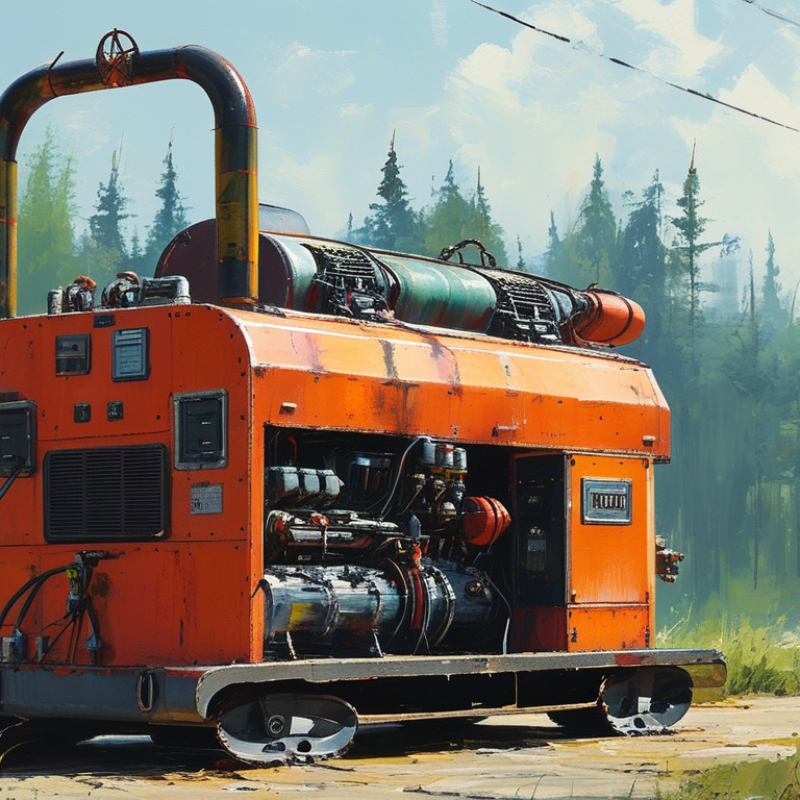
Fuel generators are essential tools for producing electricity in various settings. Understanding the types of fuel generators can greatly enhance their efficiency and reliability. Two main types are portable and standby generators. Portable generators offer flexibility and are often used for outdoor events or emergencies. Standby generators are permanently installed and provide a seamless transition of power during outages.
Delving deeper, fuel choices include gasoline, propane, and diesel. Each comes with its own advantages and drawbacks. Gasoline generators are easy to find and generally less expensive. However, they can be less efficient and might require frequent refueling. Propane is cleaner and has a longer shelf life, but availability can be a concern. Diesel generators are robust and fuel-efficient, ideal for heavy-duty use, yet they can be noisy and may require more maintenance.
Working with fuel generators involves understanding their limitations. Miscalculating fuel needs can lead to inconvenient power loss. Regular maintenance checks are vital for safe operation. It’s essential to familiarize oneself with local regulations regarding generator usage. Inconsistent performance might stem from improper fuel types or neglecting maintenance schedules. Addressing these issues ensures the generator runs smoothly and efficiently.
Selecting the Right Fuel for Optimal Performance
Selecting the right fuel for your generator is crucial for optimal performance. Different fuels have varied combustion properties. Consider factors such as availability, efficiency, and environmental impact. Diesel, gasoline, and propane are common options. Each fuel type has distinct advantages and disadvantages.
When choosing fuel, think about the generator’s purpose. For heavy-duty applications, diesel may be more effective. On the other hand, gasoline is easier to source for lighter use. Monitor the fuel quality. Contaminated fuel can cause poor engine performance. Over time, this can lead to equipment damage.
Always conduct regular maintenance. A clean filter and properly tuned engine can enhance efficiency. Check fuel storage conditions as well. Storing fuel in a cool, dry place is essential. Poor storage can lead to degradation. Reflect on your fuel choices regularly, as needs and supplies can change.
Regular Maintenance Tips for Fuel Generator Efficiency
Regular maintenance is crucial for keeping your fuel generator running efficiently. One key area to focus on is the fuel system. Check fuel lines regularly for leaks or cracks. Replace any damaged components immediately. Fuel quality is also important. Contaminated fuel can cause significant issues. Always use clean, fresh fuel to avoid complications.
Another essential task is to inspect the air filter. A clogged air filter restricts airflow, leading to reduced performance. Clean or replace the air filter according to the manufacturer's recommendations. Additionally, monitor the oil levels and quality frequently. Oil lubricates engine components and prevents wear. Use the correct type of oil for your generator.
Don't forget about the battery. Check its condition often. A weak battery may lead to starting issues. Clean the terminals to ensure a good connection. Lastly, review the owner’s manual for any specific maintenance guidelines. Following these practices will help maintain the generator's efficiency while extending its life. Mistakes can happen, but learning from them is vital for optimal generator performance.
Safe Operation Practices for Fuel Generators
Safe operation practices for fuel generators are crucial for ensuring efficiency and reliability. Proper maintenance is essential. Regularly check oil levels and fuel quality. Clean air filters to avoid unwanted dirt accumulation. Neglecting these tasks can lead to inefficient operation and potential hazards.
Keep the generator in a well-ventilated area. This prevents overheating and allows harmful gases to dissipate effectively. Use it in a dry location to avoid moisture entering the fuel system. Moisture can lead to engine failure. These small details matter when maintaining your generator's performance.
Consider using a surge protector. It prevents spikes in electricity that can damage appliances. Always read the manufacturer's guidelines for operational safety. Misusing a generator can cause accidents. Following these practices helps ensure your fuel generator operates smoothly and safely, providing reliable power when needed.
Top 5 Fuel Generator Tips for Efficient Power Supply
| Tip | Description | Benefits |
| Regular Maintenance | Perform scheduled inspections and servicing to keep the generator in top condition. | Improves efficiency and extends the lifespan of the generator. |
| Proper Fuel Storage | Store fuel in clean, airtight containers and keep them in a cool, dry place. | Prevents contamination and ensures optimal fuel quality. |
| Load Management | Distribute load evenly to avoid overloading and damaging the generator. | Enhances performance and prevents generator failure. |
| Check Oil Levels | Regularly check and change oil as needed based on the manufacturer's recommendations. | Ensures proper lubrication and efficient operation. |
| Ventilation | Ensure adequate ventilation to prevent overheating and carbon monoxide buildup. | Maintains safety and optimal operational temperatures. |
Monitoring and Troubleshooting Common Generator Issues
Monitoring your fuel generator is crucial for ensuring reliable power supply. Regular checks can prevent unexpected failures. Inspect the fuel levels frequently. Low fuel can lead to generator shutdowns, causing interruptions. Clean the air filter to enhance performance. A dirty filter can restrict airflow and lead to overheating.
Troubleshooting common generator issues starts with listening. Unusual noises often signal problems. If you hear grinding or knocking, investigate immediately. Check for leaks or unusual odors, as they may indicate serious issues. Understanding typical symptoms can save time and money.
Perform routine maintenance. Change the oil every few months to keep the engine running smoothly. Regular checks on spark plugs and battery connections also help in maintaining optimal performance. Skipping these tasks might lead to greater operational hiccups later. Stay proactive to ensure your generator functions efficiently.