Top 10 Sheet Metal Laser Cutting Machines for Precision Fabrication
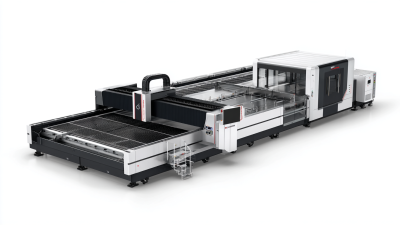
In the realm of industrial fabrication, the significance of precision cannot be overstated, and at the forefront of this precision is the sheet metal laser cutting machine. According to a recent report by Smithers Pira, the global laser cutting machinery market is projected to reach $4.4 billion by 2025, driven largely by advancements in technology and an increasing demand for high-quality metal components in various sectors. This exponential growth presents both a challenge and an opportunity for manufacturers to invest in cutting-edge equipment that enhances productivity and accuracy.
Industry expert Dr. Johnathan Hays emphasizes the transformative role of laser technology in metal fabrication, stating, "The evolution of sheet metal laser cutting machines has not only streamlined the production process but has also elevated the quality standards required in modern manufacturing." As we delve into the top 10 sheet metal laser cutting machines on the market today, it is essential to consider their capabilities, applications, and the technological innovations that define them. These machines are not merely tools; they represent a significant advancement in the industry, enabling businesses to meet the ever-increasing demands for precision and efficiency.

Types of Sheet Metal Laser Cutting Machines: Understanding Your Options
When it comes to precision fabrication in the sheet metal industry, understanding the various types of laser cutting machines is essential for optimizing production and ensuring high-quality output. According to a report by Market Research Future, the global laser cutting machine market is expected to reach $6.5 billion by 2025, growing at a CAGR of 5.6% from 2019. This growth underscores the increasing reliance on advanced laser technology for sheet metal processing.
There are generally three main types of sheet metal laser cutting machines: CO2 lasers, fiber lasers, and solid-state lasers. CO2 lasers are well-known for their excellent versatility and ability to cut thick materials, making them a favorite in industries that require intricate designs. Fiber lasers, on the other hand, have surged in popularity due to their efficiency in cutting thin metals and their low operating costs. A study by Technavio highlighted that fiber laser technology could reduce operational costs by up to 20%, which is a significant factor for manufacturers looking to increase their profit margins while maintaining production quality. Meanwhile, solid-state lasers are appreciated for their durability and high-speed performance, particularly in high-volume production settings. As the technology evolves, understanding these options will empower businesses to make informed decisions that align with their specific fabrication needs.
Key Features to Look for in Precision Laser Cutting Technology
When selecting a sheet metal laser cutting machine, several key features significantly influence precision and efficiency. One essential factor is the power and type of laser used. According to a report by MarketsandMarkets, fiber lasers have gained popularity due to their efficiency and ability to cut through thicker materials with precise control. Machines offering adjustable power levels can also cater to various applications, allowing for optimal cutting speeds and quality across different metal thicknesses.
Another vital consideration is the cutting speed and throughput. Advanced laser cutting machines can achieve speeds of up to 30 meters per minute, dramatically increasing production efficiency. A study from Technavio highlighted that high-speed cutting capabilities lead to a significant reduction in operational costs, estimated to save businesses up to 20% in labor and material expenses. Additionally, integrating features such as automatic nozzle changing and advanced cooling systems enhances the machine's longevity and consistency, making them more favorable for precision fabrication tasks.
Top 10 Sheet Metal Laser Cutting Machines - Key Features Comparison
Comparison of Fiber Laser vs. CO2 Laser Cutting Machines
When it comes to precision sheet metal fabrication, choosing the right
laser cutting technology is crucial. The two most prominent types of
laser cutting machines are Fiber lasers and CO2 lasers, each offering distinct
advantages depending on the application.
Fiber lasers, known for their high efficiency, can cut through a variety of
materials, including metals like stainless steel and aluminum, with remarkable speed and precision.
Their compact design and minimal energy consumption make them an
economical choice for manufacturers seeking to optimize production processes.
On the other hand, CO2 lasers excel in cutting thicker materials and
non-metal substrates, such as wood, plastics, and glass.
They offer a longer wavelength, enabling better absorption for certain materials. However,
CO2 lasers are generally less energy-efficient compared to Fiber lasers and
may require more routine maintenance. As industries increasingly shift towards more sustainable practices,
Fiber lasers are typically favored for their lower operational costs
and higher cutting quality, making them the preferred choice in high-volume
production settings. The decision ultimately depends on the specific requirements of the project and the materials involved.
Advantages of Using Laser Cutting in Sheet Metal Fabrication
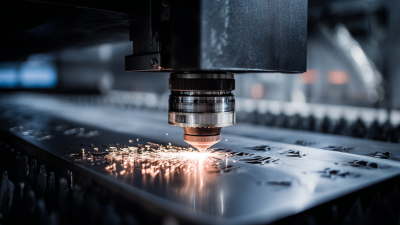
Laser cutting technology has revolutionized sheet metal fabrication, offering numerous advantages that enhance precision, efficiency, and versatility. One of the primary benefits of laser cutting is its ability to produce intricate designs with exceptional accuracy. Traditional cutting methods often struggle with complex shapes, but laser machines can easily cut through various thicknesses of metal while maintaining tight tolerances. This precision reduces material waste and decreases the need for secondary processes, ultimately saving time and costs.
Another significant advantage of using laser cutting in sheet metal fabrication is its speed. Laser cutting systems can operate continuously with minimal downtime, allowing for rapid production cycles. This efficiency is particularly advantageous for industries that require quick turnaround times, such as automotive and aerospace. Furthermore, as there is no physical contact during the cutting process, there's less wear and tear on the machine parts, contributing to lower maintenance costs.
Tip: When selecting a laser cutting machine, consider the specific materials and thicknesses you plan to work with. Different machines excel in various applications, so choose one that aligns with your fabrication needs. Additionally, regular maintenance and calibration can further enhance the machine's performance and longevity, ensuring you get the most out of your investment.
Top Brands and Models in the Laser Cutting Machine Market

In the rapidly evolving field of sheet metal fabrication, laser cutting machines have become essential for achieving high precision and efficiency. Renowned brands in the laser cutting machine market offer a variety of models tailored to meet diverse manufacturing needs. Among the top contenders, TRUMPF stands out with its TruLaser series, known for its advanced technology and superior cutting capabilities, making it a preferred choice for both small workshops and large-scale operations. Their machines are equipped with features that enhance not only speed but also provide exceptional accuracy, reducing material wastage.
Another leading brand is Bystronic, which offers the ByStar Fiber laser cutting system. This model is appreciated for its versatility and user-friendly interface, enabling operators to easily switch between different materials and thicknesses. Additionally, the BysPrint Fiber features intelligent processes that optimize cutting parameters in real-time, thus ensuring consistent quality. Other notable brands include Amada and Mazak, both of which have developed impressive models that cater to various industrial applications, ensuring precision, reliability, and overall performance in sheet metal fabrication.