Top 10 Fuel Ethanol Equipment for Global Buyers?
In today's rapidly evolving energy landscape, Fuel Ethanol Equipment plays a crucial role in sustainable energy production. As global demand for cleaner fuels rises, understanding the various equipment options becomes essential for buyers. Navigating the market can be overwhelming, especially with the wide range of technologies available.
Buyers must consider not only equipment efficiency but also reliability and cost factors. From fermentation tanks to distillation columns, each type of fuel ethanol equipment serves a specific purpose in the production process. Selecting the appropriate machinery is vital for maximizing output while minimizing waste and energy consumption.
It's easy to overlook the importance of proper maintenance and operator training as well. Investing in Fuel Ethanol Equipment can lead to significant gains, but without skilled personnel, the equipment’s efficiency can suffer. Therefore, it is critical to balance investment with expertise to achieve long-term success in the ethanol industry.
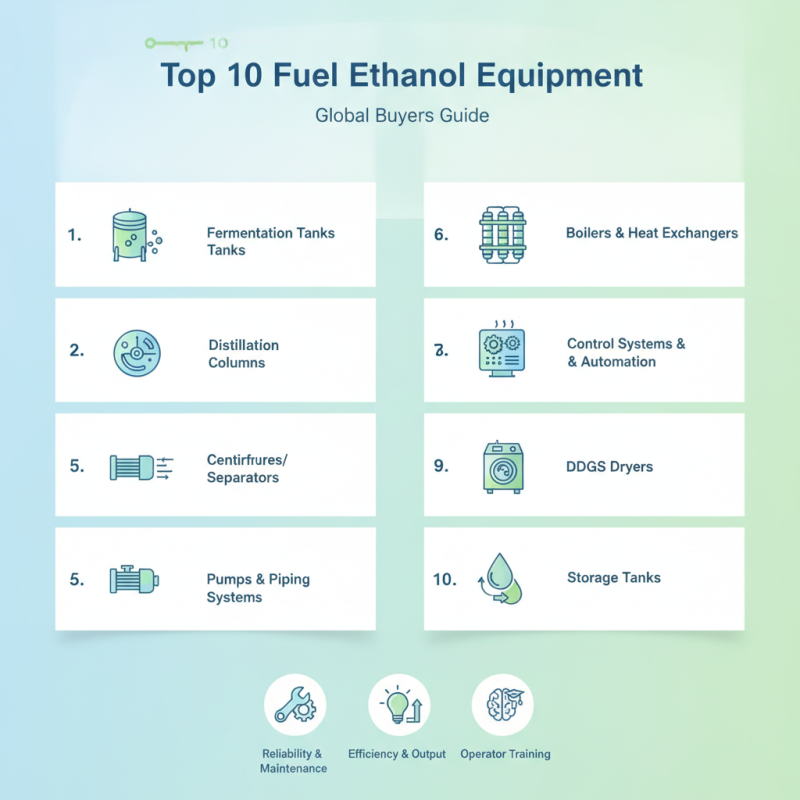
Overview of Fuel Ethanol Production and Its Importance
Fuel ethanol production plays a vital role in today’s energy landscape. It serves as an alternative to fossil fuels, reducing greenhouse gas emissions. By using renewable resources, it helps diversify energy sources. Ethanol can be derived from crops like corn and sugarcane. This not only supports local agriculture but also stimulates rural economies.
The process of producing fuel ethanol involves fermentation and distillation. These steps transform sugars from plants into ethanol. However, challenges exist. The balance between food and fuel production raises ethical questions. Moreover, the energy inputs for production can sometimes offset environmental benefits.
Having robust and efficient equipment is crucial for optimal fuel ethanol production. Precision and technology improve yield and reduce waste. Buyers must consider sustainability when choosing equipment. Investing in advanced technology can minimize resource use and maximize output efficiency. Evaluating these factors can pave the way for a more sustainable energy future.
Essential Equipment for Fuel Ethanol Production
Fuel ethanol production is a vital part of the renewable energy sector. Choosing the right equipment is essential. Various machines facilitate each stage, from fermentation to distillation. Understanding the functions of each piece can optimize productivity.
One key piece is the fermenter. It converts sugars to ethanol using yeast. Temperature control is crucial here. Inadequate management can lead to poor yields. A reliable fermenter offers consistency in production.
Another essential is the distillation column. This separates ethanol from the fermenter mixture. Different designs can affect efficiency. When choosing, consider the column's height and packing type. An inefficient column may increase energy costs and reduce output.
Tips: Regular maintenance is vital for all equipment. It ensures longevity and efficiency. Operator training can improve safety and output quality. Understanding your equipment's needs can enhance the entire production process.
Key Features of Top Fuel Ethanol Equipment
Fuel ethanol production is a complex process that requires various specialized equipment. Understanding the key features of the essential machinery can help buyers make informed decisions. High-quality fermentation tanks are crucial. They allow for precise temperature control, enhancing conversion rates. Equally important are distillation columns, which separate ethanol from water efficiently. The right column design can significantly improve energy consumption.
Another essential component is the heat exchanger. This device optimizes energy recovery. By reclaiming heat from the distillation process, it reduces operating costs. Additionally, robust storage tanks are necessary for safety and efficiency. They should be designed to prevent contamination and ensure product integrity.
Buyers should also consider the level of automation available in the equipment. Modern systems often offer advanced monitoring and control. This can enhance productivity but may require specialized training. As with any purchase, understanding manufacturers’ support and service options is vital. Sometimes, the most reliable machinery is not the most advanced. Quality and reliability should always be prioritized over cutting-edge features.
Top 10 Fuel Ethanol Equipment Recommendations
Fuel ethanol production is gaining traction globally. According to the Renewable Fuels Association, the U.S. produced over 15 billion gallons of ethanol in 2022 alone. This growth underscores the importance of using efficient equipment. Efficient machinery can significantly enhance production and reduce costs.
One essential equipment type is fermentation tanks. These allow for optimal yeast growth. Proper fermentation conditions can maximize ethanol yields. Additionally, distillation columns are critical for recovering ethanol. They help separate ethanol from other components effectively. Meanwhile, heat exchangers play a vital role in conserving energy, lowering operational expenses.
However, not all equipment is created equal. Some may not perform as expected, leading to inefficiencies. Regular maintenance is necessary to ensure equipment remains at peak performance. Operators must be mindful of this aspect. Ongoing training for staff can improve outcomes too. Investing in equipment alone is not sufficient. Thoughtful management of these processes is crucial for success.
Considerations for Choosing Fuel Ethanol Equipment
Choosing the right fuel ethanol equipment requires careful consideration of several factors. First, the capacity of production is crucial. According to recent industry reports, companies producing over 50 million liters per year dominate the market. This scale ensures efficiency and cost-effectiveness. Smaller operations may struggle with high overhead costs, necessitating a different set of equipment suited to their capacity.
Another key factor is energy efficiency. Ethanol production can be energy-intensive. Studies show that optimizing energy consumption can lower production costs by up to 30%. Understanding the equipment's energy requirements helps businesses assess long-term profitability. Furthermore, it's important to consider technology advancements. New technologies can significantly reduce waste and improve yield.
Finally, maintenance and support are often overlooked. A reliable maintenance plan is essential for minimizing downtime. However, many operators hesitate to invest in comprehensive service options. They'll find that proactive maintenance pays off in the long run, preventing costly failures. Evaluating these aspects effectively can help buyers make informed decisions in the complex market of fuel ethanol equipment.
Top 10 Fuel Ethanol Equipment for Global Buyers
This chart displays the importance ratings of various fuel ethanol equipment types based on global buyer preferences. Higher ratings indicate a greater perceived importance for efficient ethanol production processes.