Industrial Machinery Company

China Top 10 Aeration Diffuser Manufacturers?

Choosing among China’s top 10 Aeration Diffuser manufacturers requires more than comparing prices. A diffuser may look simple, yet its membrane, pore structure, air distribution, and operating stability affect an entire treatment system. Small design differences can change oxygen transfer, energy consumption, maintenance frequency, and plant performance.

Dr. Bruce E. Rittmann, a respected wastewater-treatment researcher, has stated, “Aeration is often the largest energy consumer in wastewater treatment.” This observation remains highly relevant. Efficient Aeration Diffuser selection can reduce blower demand and improve dissolved oxygen control. However, efficiency claims should never stand alone. Buyers should examine oxygen-transfer data, pressure loss, membrane materials, pore uniformity, fouling resistance, and field performance. Real evidence matters.

Factory experience matters too. A reliable manufacturer should explain its testing process clearly. It should provide production details, installation guidance, replacement advice, and responsive technical support. Certifications can help, but they do not replace independent evaluation. A polished catalog proves little.

No ranking is perfect.

This guide reviews ten notable Chinese manufacturers through practical criteria, including product quality, customization capability, export experience, engineering support, and value over the equipment’s service life. It also considers details that are easy to overlook, such as uneven air release, brittle membranes, connector leakage, and difficult cleaning procedures. Some conclusions may remain debatable. That is intentional. Aeration projects differ by wastewater type, tank depth, blower pressure, and operating culture. The strongest choice is not always the cheapest or the most famous. It is the manufacturer that matches real site conditions with measurable, dependable performance.
China Top 10 Aeration Diffuser Manufacturers?

What Are Aeration Diffusers and Why Are They Important?

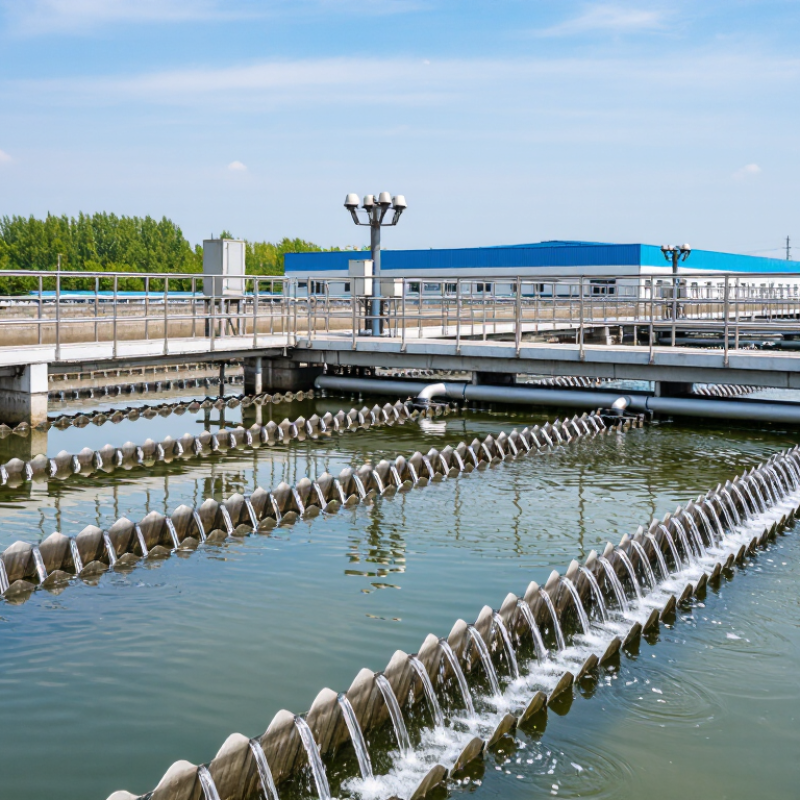
Aeration diffusers are submerged devices that release air into water through tiny pores or perforations. Fine bubbles provide more surface area for oxygen transfer than large bubbles. This helps microorganisms break down organic matter in wastewater treatment tanks.

Their design affects oxygen efficiency, mixing, maintenance, and energy use. Membrane diffusers often use flexible rubber materials, while ceramic types offer strong chemical resistance. A reliable system must match diffuser material with water temperature, pH, solids, and cleaning chemicals. Poor compatibility can cause cracking, clogging, or uneven airflow.

In real treatment plants, operators may notice rising blower pressure before visible diffuser failure. That small change matters. It can indicate fouling caused by grease, minerals, or biological growth. Regular pressure checks and airflow testing provide useful evidence. Visual inspection alone is not enough.

Manufacturers in China may offer different pore sizes, membrane shapes, connection systems, and testing records. Buyers should examine oxygen transfer data, pressure-loss results, material certificates, and quality-control procedures. Laboratory data can be helpful, but field performance may differ. Tank depth, wastewater quality, and seasonal temperature all influence results.

No diffuser lasts forever. Even a well-designed unit needs cleaning and periodic replacement. In my view, the cheapest purchase can become expensive when energy consumption rises quietly. A better evaluation considers the full operating period, not only the initial quotation. Small installation details, such as pipe leveling and balanced airflow, also deserve attention.

Key Criteria for Evaluating Aeration Diffuser Manufacturers in China

China Top 10 Aeration Diffuser Manufacturers?

Key Criteria for Evaluating Aeration Diffuser Manufacturers in China

Choosing an aeration diffuser manufacturer requires more than comparing prices. In operating plants, diffuser performance affects oxygen transfer, blower demand, and maintenance intervals. U.S. EPA energy guidance reports that aeration can consume roughly 45–75% of a wastewater plant’s electricity. Small efficiency losses therefore become expensive over time. Performance matters.

Request clean-water oxygen transfer data based on ASCE/EWRI Standard 18-96. Check standard oxygen transfer efficiency, airflow range, fouling resistance, and pressure loss. Ask whether tests were completed by an independent laboratory. Factory videos are useful, but they are not enough. A manufacturer should provide test conditions, tank dimensions, water temperature, and measurement uncertainty.

Material selection also deserves close inspection. EPDM, silicone, and other membranes behave differently under chemicals, temperature changes, and intermittent operation. Review tensile strength, pore uniformity, aging results, and replacement records. The Global Water Intelligence Global Water Market report identifies energy efficiency as a growing priority across municipal treatment projects. That makes lifecycle evidence more valuable than a low quotation. Cheap is rarely cheap.

Visit the production site when possible. Inspect membrane storage, perforation control, batch coding, and final inspection records. Confirm whether each diffuser receives flow testing before shipment. Ask for references from plants with similar depth and wastewater characteristics. Some suppliers provide impressive initial data but limited field support. I would treat that gap as a risk, not a minor inconvenience. Manufacturers should also explain warranty exclusions, spare-part availability, and realistic service life. A perfect selection process is impossible; transparent weaknesses are often more trustworthy than polished promises.

China’s Top 10 Aeration Diffuser Manufacturers

China’s Top 10 Aeration Diffuser Manufacturers are often evaluated through practical engineering results, not advertising claims. The strongest manufacturers usually produce fine-bubble disc, tube, and panel diffusers for municipal wastewater, industrial treatment, and aquaculture systems. Their products must deliver stable oxygen transfer with moderate pressure loss.

During supplier reviews, I examine membrane materials, pore consistency, connection quality, and air distribution. EPDM, silicone, and ceramic options perform differently in oils, chemicals, and changing temperatures. A reliable manufacturer should provide airflow data, oxygen transfer tests, replacement guidance, and clear installation drawings. Factory inspection also matters. Clean assembly areas and traceable quality records reveal more than polished brochures.

The leading ten suppliers may differ in automation, export experience, and customization ability. Some focus on large treatment plants, while others serve compact tanks or fish farms. Field experience shows that diffuser spacing can affect performance as much as product design. That detail is easy to overlook. A ranking is never perfectly objective, because local service and operating conditions change the result. Even a well-tested diffuser may foul early when pretreatment is weak. Buyers should compare real test conditions, membrane life, warranty terms, and total operating cost before selecting a manufacturer.

China Top 10 Aeration Diffuser Manufacturers? - China’s Top 10 Aeration Diffuser Manufacturers

The table below presents anonymous manufacturer profiles based on commonly published product specifications and standard industry application ranges. Actual performance depends on diffuser layout, submergence depth, air quality, wastewater characteristics, and system design.

Rank Anonymous Manufacturer Profile Main Diffuser Type Typical Membrane or Ceramic Material Nominal Pore Size Typical Airflow per Diffuser Common Applications Typical Technical References
1 Large-scale wastewater equipment producer Fine-bubble disc diffuser EPDM membrane with reinforced PP or ABS support 1–3 mm nominal opening range 1.5–8 Nm³/h Municipal WWTPsActivated sludge ISO 9001 quality systems; oxygen-transfer testing commonly referenced to ASCE methods
2 Specialized membrane diffuser manufacturer Fine-bubble tube diffuser EPDM or silicone membrane 1–2 mm nominal opening range 3–12 Nm³/h per tube Industrial effluentRetrofit projects Product testing generally includes pressure-loss and air-distribution checks
3 Porous ceramic aeration specialist Coarse-bubble ceramic diffuser Sintered alumina or other porous ceramic 20–80 μm pore range 2–10 Nm³/h per unit Equalization tanksHigh-solids wastewater Chemical and temperature resistance are normally specified by application
4 Flexible rubber diffuser producer Perforated-tube diffuser EPDM, silicone, or polyurethane elastomer 1–5 mm perforation range 5–25 Nm³/h per tube Industrial aerationBasin mixing Backflow prevention and fatigue resistance are key design criteria
5 Modular grid aeration system supplier Disc diffuser grid assembly EPDM membrane with PP, ABS, or stainless-steel fittings 1–3 mm nominal opening range 1.5–8 Nm³/h per disc Large municipal plantsBasin upgrades Layout design commonly considers uniform airflow and headloss balance
6 Submersible aeration equipment manufacturer Fine-bubble plate diffuser EPDM or silicone membrane on polymer frame 1–3 mm nominal opening range 2–10 Nm³/h per plate Packaged plantsSmall treatment systems Compact installation and corrosion-resistant submerged components are emphasized
7 Aquaculture aeration product manufacturer Microbubble tube or disc diffuser Silicone, EPDM, or flexible polymer membrane 0.8–2 mm nominal opening range 0.5–6 Nm³/h per unit Fish farmingShrimp ponds Low operating pressure and continuous-duty operation are typical requirements
8 Industrial process aeration supplier Coarse-bubble pipe diffuser PVC, PP, EPDM, or stainless-steel construction 3–8 mm opening range 10–40 Nm³/h per pipe Chemical wastewaterEqualization Material selection is generally based on pH, temperature, and chemical exposure
9 Energy-efficiency-focused aeration manufacturer High-efficiency fine-bubble disc diffuser Perforated EPDM membrane with polymer support body 1–2 mm nominal opening range 2–7 Nm³/h per disc Energy-saving retrofitsNutrient removal Design evaluation commonly includes standard oxygen transfer and pressure-loss data
10 Custom-engineered aeration system integrator Mixed diffuser configuration EPDM, silicone, ceramic, PP, or stainless steel Application-specific selection Project-specific sizing EPC projectsCustomized systems Engineering packages commonly include hydraulic calculations, drawings, and commissioning support

Product Types, Materials, and Aeration Technologies They Offer

China Top 10 Aeration Diffuser Manufacturers: Product Types, Materials, and Aeration Technologies They Offer

China’s leading aeration diffuser manufacturers typically supply disc, tube, plate, and panel diffusers. Disc diffusers suit compact tanks and retrofit projects. Tube diffusers provide longer oxygenation zones in oxidation ditches. Plate and panel designs can cover wider tank areas. Common membranes include EPDM, silicone, polyurethane, and PTFE-coated materials. Material choice depends on wastewater chemistry, temperature, oil exposure, and cleaning frequency.

Fine-bubble technology remains popular because smaller bubbles create more gas-liquid contact. Coarse-bubble diffusers offer stronger mixing and better resistance to clogging. Some manufacturers also provide variable-airflow systems, self-cleaning membranes, and integrated air distribution grids. The U.S. Environmental Protection Agency reports that aeration can consume 45–75% of a wastewater plant’s electricity. Small pressure losses matter. Very much.

UN-Water’s World Water Development Report 2024 highlights continuing global pressure on water quality and wastewater infrastructure. This supports demand for efficient, durable diffuser systems. However, product rankings should not rely on factory scale alone. Field oxygen-transfer tests, membrane aging data, spare-part access, and after-sales engineering deserve equal attention. A diffuser may perform well in clean water but underperform in high-solids wastewater. That is an easy mistake. Selection should combine reported standard oxygen transfer efficiency with real operating conditions, because laboratory results rarely tell the whole story.

How to Select the Right Chinese Aeration Diffuser Manufacturer

Choosing among China’s top aeration diffuser manufacturers requires more than comparing prices or polished catalogs. Start with the diffuser’s operating conditions: tank depth, airflow range, wastewater type, temperature, and required oxygen transfer rate. A manufacturer should explain how its membrane material performs under these conditions.

Ask for recent test data, not only laboratory claims. Bubble size, pressure loss, oxygen transfer efficiency, and fouling resistance should be measured under clearly stated conditions. Request samples for a pilot test when the project is large. Check whether the supplier controls membrane production, drilling accuracy, and final inspection. Small holes matter.

Material selection needs practical judgment. EPDM may suit many municipal applications, while PTFE-coated materials can help in harsher chemical environments. However, no material works perfectly everywhere. Some sales documents simplify this point too much. Review chemical compatibility with actual wastewater, including oils, solvents, and cleaning agents. Ask how the diffuser behaves after months of intermittent operation.

Reliability also depends on engineering support. A capable Chinese manufacturer should provide airflow recommendations, pipe connection details, cleaning guidance, and replacement procedures. Confirm production capacity, quality records, export experience, and response times before signing a contract. Certifications can support trust, but they do not replace performance evidence. I would compare at least three suppliers using the same technical checklist. Price often looks attractive at the beginning. Maintenance costs may tell a different story.