Top Industrial Machinery Trends for 2025 You Need to Know
As we look toward the future of industrial machinery in 2025, it's essential to understand the emerging trends that will shape this vital sector. Renowned expert Dr. Emily Carter, a leading authority on industrial automation, emphasizes, "Innovation in industrial machinery is not just about technology; it's about how we can redefine efficiency and sustainability in manufacturing processes." This insight encapsulates the pivotal changes ahead as companies strive to integrate advanced technologies and sustainable practices into their operations.
The industrial machinery landscape is set to evolve significantly over the next few years, driven by factors such as automation, digitalization, and a growing emphasis on environmentally friendly solutions. Innovations in artificial intelligence and machine learning will enhance predictive maintenance capabilities, reduce downtime, and optimize production efficiency. Furthermore, the shift towards Industry 4.0 will enable seamless connectivity between machinery and data analytics, allowing for smarter decision-making and resource management.
As organizations prepare to navigate these changes, understanding the trends that will dominate the industrial machinery market becomes imperative. By leveraging advancements in technology and adopting sustainable practices, businesses can not only enhance their operational efficiency but also contribute positively to a more sustainable future. The journey into 2025 promises to be transformative, marking an exciting chapter for the industrial machinery industry.
Emerging Technologies Shaping the Future of Industrial Machinery
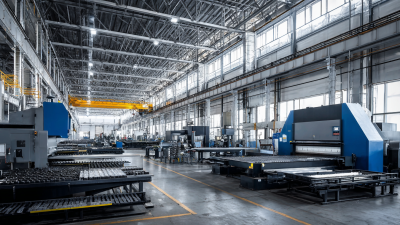
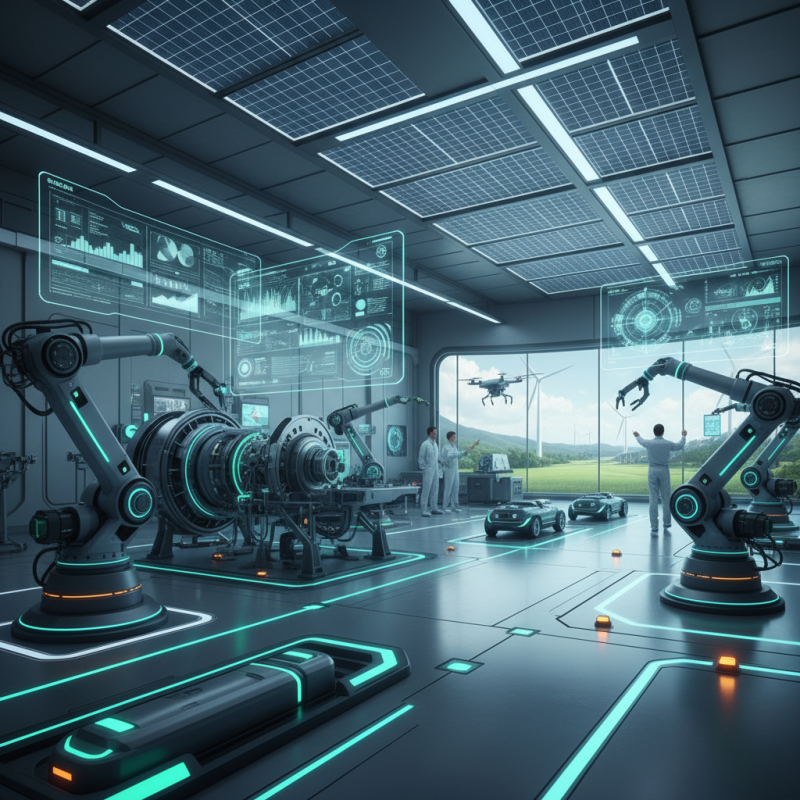
The industrial machinery landscape is rapidly evolving, thanks to a wave of emerging technologies set to reshape the future. One of the most significant trends is the integration of artificial intelligence and machine learning into manufacturing processes. These technologies enable predictive maintenance, optimizing machinery performance by analyzing data in real-time. This not only increases productivity but also reduces downtime, allowing businesses to respond swiftly to operational demands.
Another transformative element is the rise of the Industrial Internet of Things (IIoT). By connecting machinery and systems through smart sensors and devices, IIoT facilitates seamless communication within production environments. This connectivity enhances data collection and analytics, providing insights that drive efficiency and innovation. Furthermore, advancements in automation and robotics are streamlining workflows, allowing for greater precision and flexibility in manufacturing operations. As these technologies converge, they herald a new era of smarter, more efficient industrial processes that can adapt to the rapidly changing demands of the market.
Top Industrial Machinery Trends for 2025
Sustainability Practices in Industrial Machinery for 2025
Sustainability has emerged as a cornerstone in the industrial machinery sector, with companies increasingly prioritizing eco-friendly practices as they look toward 2025. According to a recent market report from the International Machinery Research Institute, over 75% of industry leaders are integrating sustainability into their operational strategies, driven by both regulatory requirements and consumer demand for greener products. This shift is not just about compliance; it also offers a competitive edge in a market that is progressively favoring companies committed to environmental responsibility.
As firms adopt more sustainable practices, they are focusing on the entire lifecycle of their machinery, from manufacturing to disposal. A pivotal trend is the implementation of energy-efficient technologies in machinery design, with estimates projecting a 25% reduction in energy consumption across the sector by 2025. Furthermore, the growth of circular economy initiatives, where machinery components are reused or recycled, is set to increase, reducing waste significantly.
The latest data indicates that companies utilizing these strategies can achieve up to a 30% decrease in raw material costs, enhancing both environmental and economic performance. As the industrial machinery landscape evolves, the integration of sustainability practices will not only define industry standards but also contribute to a more sustainable future.
The Role of Automation and Robotics in Modern Manufacturing
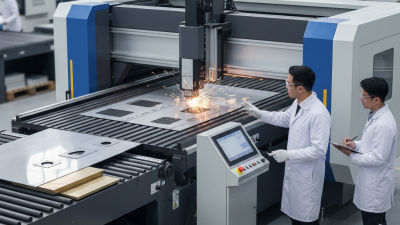
The manufacturing landscape is undergoing a profound transformation as automation and robotics increasingly shape the industry's future. In 2025, automation technologies are expected to enhance productivity and efficiency, revolutionizing traditional manufacturing processes. By introducing smart machines equipped with artificial intelligence and machine learning capabilities, manufacturers can significantly reduce downtime and optimize production lines. These advancements allow for real-time monitoring and data analysis, enabling quick adjustments to production schedules based on demand fluctuations.
Robotics, on the other hand, is enhancing precision and safety within manufacturing environments. Collaborative robots, or cobots, are designed to work alongside human operators, performing repetitive and hazardous tasks while allowing workers to focus on more complex and creative aspects of production. This synergy not only improves the overall quality of products but also fosters a safer workplace, minimizing the risks associated with manual handling and heavy machinery. As businesses invest in these technologies, the future of modern manufacturing is poised to become more efficient, flexible, and resilient, paving the way for groundbreaking innovations.
Impact of Industry 4.0 on Machinery Design and Functionality
The advancements brought by Industry 4.0 are reshaping machinery design and functionality, driving unprecedented levels of efficiency and productivity within the industrial sector. According to a report by McKinsey, over 70% of companies across various industries are implementing Industry 4.0 technologies, highlighting a significant shift towards automation, artificial intelligence, and data exchange in manufacturing environments. Such integration enables machinery to evolve from traditional models to smart equipment capable of real-time decision-making and predictive maintenance, thus reducing downtime and operational costs.
Moreover, the IoT (Internet of Things) plays a crucial role in this transformation. A study by Gartner predicts that by 2025, there will be over 25 billion connected devices in the industrial ecosystem. This connectivity allows machines to communicate with each other and with management systems, leading to improved coordination and enhanced operational insights. As systems become more interlinked, the importance of cybersecurity also escalates, with industry experts estimating that investments in cybersecurity for industrial IoT will surpass $6 billion by the end of 2025. This evolution reflects a broader trend towards creating more intelligent, resilient, and adaptable manufacturing systems that are essential for surviving in a competitive landscape.
Top Industrial Machinery Trends for 2025
| Trend |
Description |
Impact on Machinery |
Implementation Stage |
| Smart Automation |
Integration of AI and IoT for real-time monitoring. |
Enhanced efficiency and predictive maintenance. |
Early Adoption |
| Sustainability |
Focus on environmentally-friendly materials and processes. |
Reduction of waste and lower carbon footprint. |
Widespread Adoption |
| Digital Twins |
Virtual replicas of physical systems for simulations. |
Improved design and troubleshooting. |
Growing Adoption |
| Collaborative Robotics (Cobots) |
Robots designed to work alongside humans. |
Increased productivity and safety in operations. |
In Development |
| 3D Printing |
Additive manufacturing for rapid prototyping and production. |
Cost and time efficiency in production processes. |
Established Technology |
Market Trends and Demand Forecasts for Industrial Equipment in 2025
As we look towards 2025, the industrial equipment market is poised for significant transformation driven by evolving technology and shifting consumer demands. Automation continues to be a primary focus, with industries increasingly adopting advanced robotics and artificial intelligence to enhance operational efficiency. This trend not only streamlines production processes but also contributes to improved quality control, reducing downtime and operational costs. Furthermore, as sustainability becomes a crucial factor, equipment that minimizes energy consumption and reduces waste will be in high demand, reflecting a broader commitment to environmentally responsible industrial practices.
In addition to automation and sustainability, the market is witnessing a surge in demand for smart machinery equipped with IoT capabilities. These machines enable real-time monitoring and data collection, allowing companies to make informed decisions that enhance productivity and reduce maintenance costs. The integration of predictive analytics will play a critical role in this context, helping organizations to anticipate equipment failures and schedule timely interventions, thereby maximizing uptime. Additionally, the rising trend of remote operations and virtual maintenance support will redefine traditional service models, allowing for greater flexibility and efficiency in equipment management. Collectively, these trends are set to reshape the industrial landscape, highlighting the need for manufacturers to adapt and innovate in response to these emerging demands.