How to Choose the Right Hydraulic Coupler?
Choosing the right Hydraulic Coupler starts with understanding the machine and the work it performs. Operating pressure, flow rate, fluid type, temperature, and duty cycle all affect compatibility. A coupler on a compact loader may face very different demands from one used on an excavator running attachments all day. Small details matter. A connection that seems to fit may still restrict flow, leak under pressure, or wear quickly.
Before comparing products, confirm the hose and port sizes, connection standard, working pressure, and expected flow. Check the equipment manual and the coupler manufacturer’s specifications rather than relying on appearance alone. Materials and seal compounds also matter, especially when the system faces heat, vibration, or frequent connection changes. Dust on a coupling face can introduce contamination, so protective caps and clean connection practices deserve attention. They are easy to overlook.
It is tempting to focus only on pressure ratings. That shortcut is not enough. A coupler must match the entire hydraulic circuit and the conditions at the job site. Consider how often operators connect and disconnect attachments, whether trapped pressure is likely, and how much downtime a difficult connection could cause. No checklist removes every uncertainty, and product descriptions may not answer every practical question. When specifications conflict or remain unclear, ask a qualified supplier or equipment specialist to verify the match. The right choice is not always the most expensive one; it is the one that performs reliably within the machine’s stated limits.
Identify the Hydraulic System and Its Operating Requirements
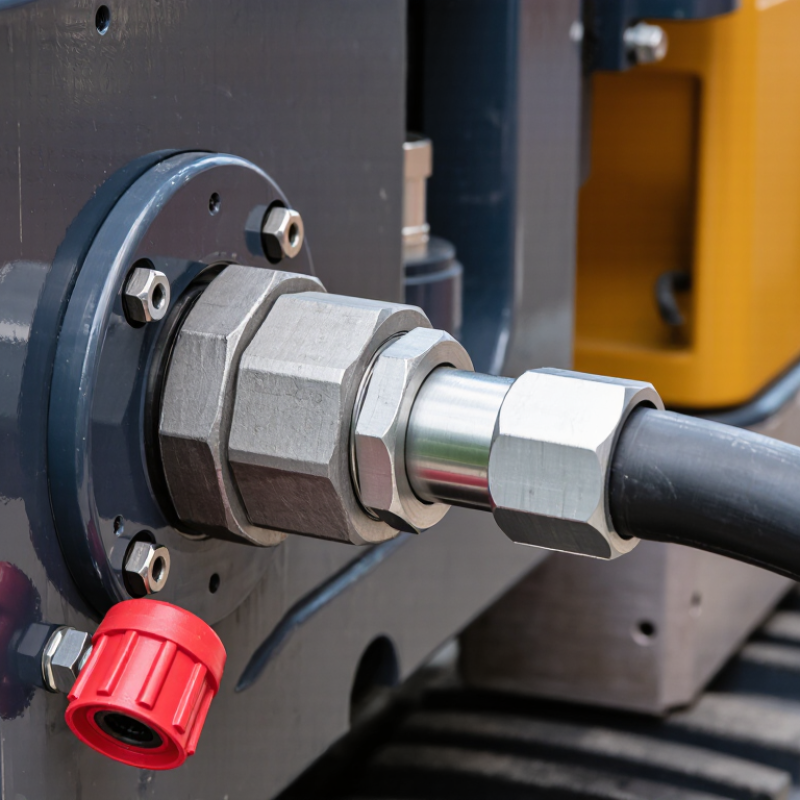
A hydraulic coupler must match the system, not just the hose end. Check the equipment manual for operating pressure, peak pressure, and flow rate. A compact excavator circuit and a high-flow attachment may use similar-looking connections, yet their demands differ. Mismatched flow can cause heat, sluggish movement, or excess pressure drop. Note the hydraulic fluid type and its normal temperature range, too. Seal materials need to tolerate both.
Then identify the connection style, size, and whether the system requires a flat-face or another coupling design. Confirm compatibility on both sides; similar threads do not guarantee a safe seal. Consider how often the coupler connects and disconnects, and whether it will face dust, mud, or washdown. Dirt can enter quickly during a rushed change. It is easy to overlook. If specifications are unclear, measure the existing connection and ask a qualified technician to verify it before installation.
Tips: Record pressure, flow, fluid, temperature, and connection details before ordering. Compare them with the coupler’s rated limits, including pressure spikes. Depressurize the circuit before connecting or disconnecting, and inspect seals for cuts or flattening. One imperfect detail: older equipment may have undocumented changes, so verify the actual setup rather than relying only on its original paperwork.
| Hydraulic System or Use Case | Typical Operating Requirements | Coupler Features to Consider | Checks Before Selection |
|---|---|---|---|
| Mobile equipment auxiliary circuits | Variable flow and pressure; frequent implement changes; exposure to dirt, vibration, and outdoor conditions. | Quick connection, protective dust caps, durable corrosion-resistant surfaces, and a connection style suited to the machine circuit. | Confirm the machine’s maximum working pressure, required flow, connection profile, hose size, and whether connection under residual pressure is needed. |
| Hydraulic tools and service equipment | Portable hoses may be connected and disconnected regularly; operating pressure can be high and varies by tool. | Secure locking mechanism, clearly matched halves, low leakage, and a pressure rating that covers the tool’s maximum working pressure. | Check the tool and hose specifications. Never disconnect a pressurized line unless the coupler is specifically rated for that condition. |
| Industrial machinery | Repeated operation in a controlled setting; flow, pressure, and fluid temperature are defined by the machine design. | Reliable sealing, suitable connection material, and a coupler design compatible with the required cycle frequency and maintenance plan. | Verify the machine’s specified connection standard, fluid type, temperature range, pressure, and acceptable pressure drop. |
| High-flow hydraulic circuits | Large flow demand; undersized passages can increase pressure loss and fluid heating. | Correct nominal size and flow capacity; select a design with pressure-drop data suitable for the circuit. | Compare coupler flow and pressure-drop information at the actual operating flow, not just the connection size. |
| Wet, dusty, or corrosive environments | Possible exposure to water, mud, abrasive particles, or corrosive substances. | Protective caps or covers, compatible materials and plating, and seals suited to the hydraulic fluid and environment. | Confirm material and seal compatibility. Keep both halves clean before connection to reduce contamination entering the system. |
| Systems with trapped or residual pressure | Pressure may remain in a hose or circuit after shutdown, making connection difficult or unsafe. | Use a coupler designed and rated for connection under the expected residual-pressure conditions, if required. | Follow the equipment manufacturer’s pressure-relief procedure. Do not force incompatible or pressurized coupler halves together. |
| General hydraulic fluid compatibility | Fluid type and temperature affect seal life and coupler performance. | Seals and wetted materials compatible with the specified fluid and its operating temperature range. | Check the fluid manufacturer’s compatibility guidance and the coupler’s published temperature limits. |