Industrial Machinery Company

2026 How to Choose the Best LPG Hose for Your Needs?

Choosing the right Lpg Hose is crucial for safe and efficient performance. An LPG hose connects appliances to gas sources. Its importance cannot be overstated. If you select the wrong type, risks like leaks arise. Gas leaks can lead to serious safety issues.

Several factors come into play when choosing an LPG hose. Material, size, and pressure rating are vital. For instance, a heavy-duty hose can withstand high pressure but might be harder to maneuver. Assess your specific needs carefully before making a decision.

Understanding the specifications helps avoid common pitfalls. Some hoses may not comply with safety standards. Do your research and look for trusted brands. A portable gas grill may require a different hose than a fixed system. Make informed choices to ensure safety and longevity.
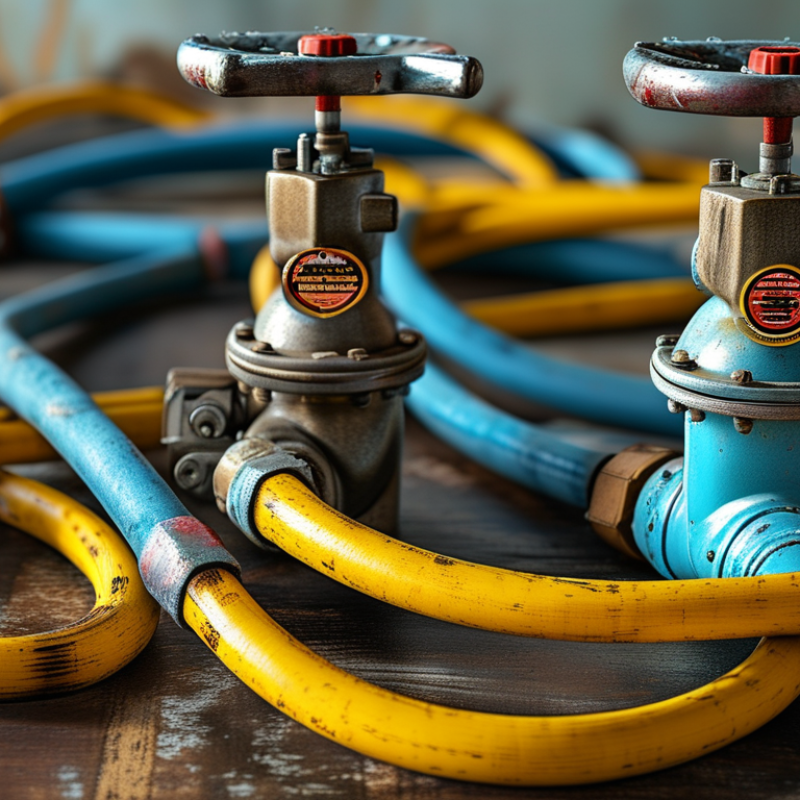
2026 How to Choose the Best LPG Hose for Your Needs?

Understanding LPG Hose Types and Their Applications

When choosing an LPG hose, understanding the types available is crucial. There are various hoses designed for specific applications. Some hoses are made from rubber, while others are crafted from thermoplastic materials. Each material has its benefits and limitations depending on the environment they are used in. For example, rubber hoses are flexible and durable, making them a popular choice for outdoor use. Meanwhile, thermoplastic hoses can withstand extreme temperatures, which makes them ideal for industrial settings.

Tips: Always inspect hoses for wear or damage. A small crack can lead to significant leaks. Make it a habit to check connections and fittings regularly.

Additionally, consider the diameter and length of your LPG hose. Larger diameters allow for higher gas flow, while longer hoses provide flexibility in setup. However, be cautious—longer hoses may increase pressurization issues. Ensure your hose adheres to safety standards. Using a hose not rated for LPG can lead to catastrophic failures.

Tips: Always follow manufacturer guidelines for installation. A proper setup can prevent dangerous situations. Remember, not all hoses are created equal. Choose wisely.

Key Factors to Consider When Choosing an LPG Hose

When selecting the best LPG hose, there are key factors to consider. Safety is paramount. Ensure the hose is made from high-quality, durable materials that can handle high-pressure applications. Look for hose certifications that meet safety standards. The length of the hose also matters. A longer hose can offer flexibility in setup but may reduce pressure. Choose the right length based on your specific needs.

Compatibility is another critical factor. Different appliances may require specific types of hoses. Verify that the hose is suitable for your equipment. Additionally, consider the temperature range the hose can withstand. Extreme temperatures can affect the hose's integrity. Invest in hoses designed for your environment, whether indoors or outdoors.

Tips: Regular inspections are essential. Check hoses for cracks, leaks, or damage. Replace any hoses that show signs of wear. Always follow the manufacturer’s guidelines. If unsure, consult with a professional. This ensures safe usage and prolongs the life of your LPG hose.

Safety Standards and Regulations for LPG Hoses

When selecting an LPG hose, understanding safety standards is critical. The American National Standards Institute (ANSI) and the National Fire Protection Association (NFPA) establish regulations that govern the use of safety equipment for gas applications. A reliable LPG hose should comply with these standards to ensure optimal safety.

Materials used in making LPG hoses include rubber and thermoplastics, which must resist high pressures and temperature fluctuations. According to the National Institute for Occupational Safety and Health (NIOSH), improper hose selection can lead to leaks or ruptures, posing significant risks. Data shows that 40% of LPG incidents are due to equipment failure, and choosing the wrong hose can contribute to this statistic.

Regular inspections are also vital. Hoses should be examined for wear and tear, including cracks or abrasions. The Food and Drug Administration (FDA) emphasizes that any signs of deterioration require immediate replacement. Safety does not end with purchase; it extends to maintenance and responsible usage, reflecting a comprehensive approach to LPG safety.

Maintenance Tips for Prolonging LPG Hose Lifespan

To extend the lifespan of your LPG hose, regular maintenance is crucial. Research shows that properly maintained hoses can last over five years under typical conditions. However, wear and tear can significantly shorten this lifespan if overlooked. Visual inspections are key. Check for abrasions, cracks, or bulges regularly. Even small signs can indicate deeper issues.

Proper storage is equally important. Avoid leaving hoses in direct sunlight or extreme temperatures. These conditions can degrade materials, leading to premature failure. Wrap hoses loosely when storing them. Tight coils can create kinks that damage the inner linings over time.

Consider using a pressure gauge to monitor the wear and tear of your LPG system. This simple tool can help you catch problems before they escalate. Reports indicate that nearly 30% of LPG leaks result from neglected hoses. Address identified issues immediately to ensure safety and longevity. Investing time in these maintenance tips not only ensures safety but can also save you money in the long run.

2026 How to Choose the Best LPG Hose for Your Needs? - Maintenance Tips for Prolonging LPG Hose Lifespan

Criteria Details
Material PVC, Rubber, Composite
Working Pressure Up to 15 Bar (depending on type)
Temperature Range -20°C to 60°C
Diameter 1/4" to 1" options available
Length Custom lengths from 1m to 20m
Safety Standards ISO 8332, BS 3212
Maintenance Tips Regularly check for leaks, avoid sharp bends, store properly
Lifespan Typically 3-5 years depending on usage and maintenance

Common Mistakes to Avoid When Selecting LPG Hoses

When selecting LPG hoses, many make preventable errors that can lead to safety hazards. One common mistake is underestimating temperature fluctuations. Studies indicate that LPG hoses must withstand temperatures ranging from -30°C to 70°C. Selecting hoses without considering these extremes can cause premature failure.

Another frequent oversight is ignoring the pressure rating. According to industry standards, hoses should meet or exceed the maximum working pressure of the application. A hose failing under pressure can lead to leaks, posing significant risks. It's vital to check the specifications of the hose and align them with your exact needs.

Additionally, users should pay attention to the materials used in hose construction. Some may assume that all hoses are created equal, but there are differences. For instance, using a hose made from inferior materials can lead to quicker degradation and loss of integrity. Recognizing these factors is essential for making an informed choice.

2026 LPG Hose Selection Overview

This chart illustrates the key criteria to consider when selecting the best LPG hose for your needs in 2026. Each criterion is rated based on its importance level, helping users avoid common mistakes during selection.

Article Source: