Choosing the right cutting machine is crucial for various industries. The demand for precision cutting tools is increasing, driven by a growing need for efficiency and accuracy. According to a 2022 industry report by Smith Analytics, the cutting machine market is expected to grow by 7.6% annually until 2026. This growth highlights how essential these machines are for manufacturing and production.
When selecting a cutting machine, several factors come into play. Features like speed, precision, and material compatibility matter significantly. A cutting machine that excels in these areas can boost productivity. However, not all machines suit every need. The wrong choice could lead to high operational costs and wasted materials. Industry experts recommend conducting thorough research and understanding specific requirements before making a decision.
Many companies overlook the importance of regular maintenance and training. Neglecting these aspects can compromise the machine's performance. Thus, investing in a cutting machine goes beyond the initial purchase. It involves ongoing support and adaptation to evolving industry demands. By understanding these dynamics, businesses can better align their choices with their operational goals.
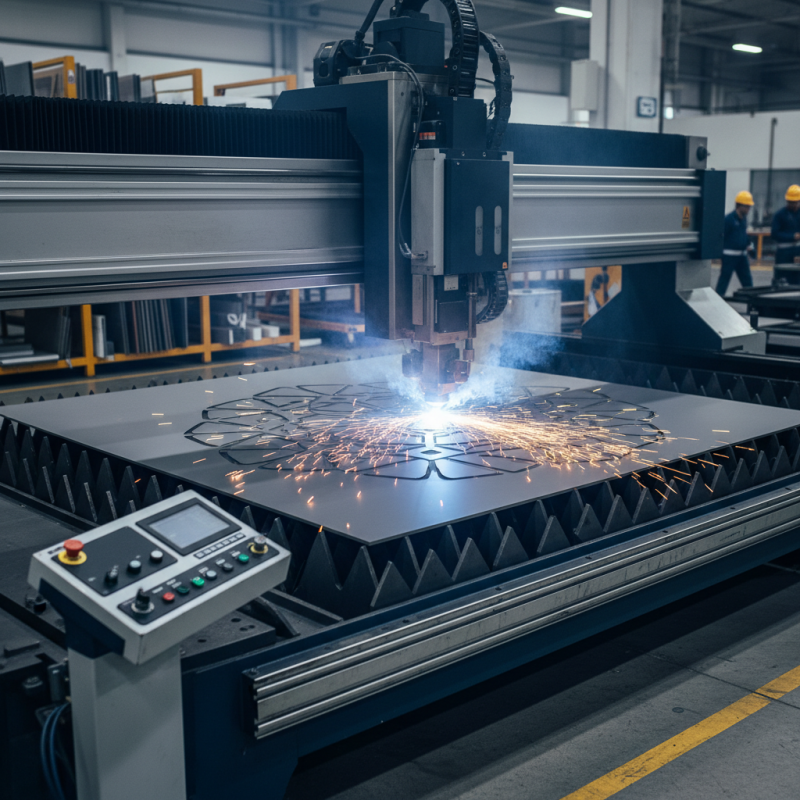
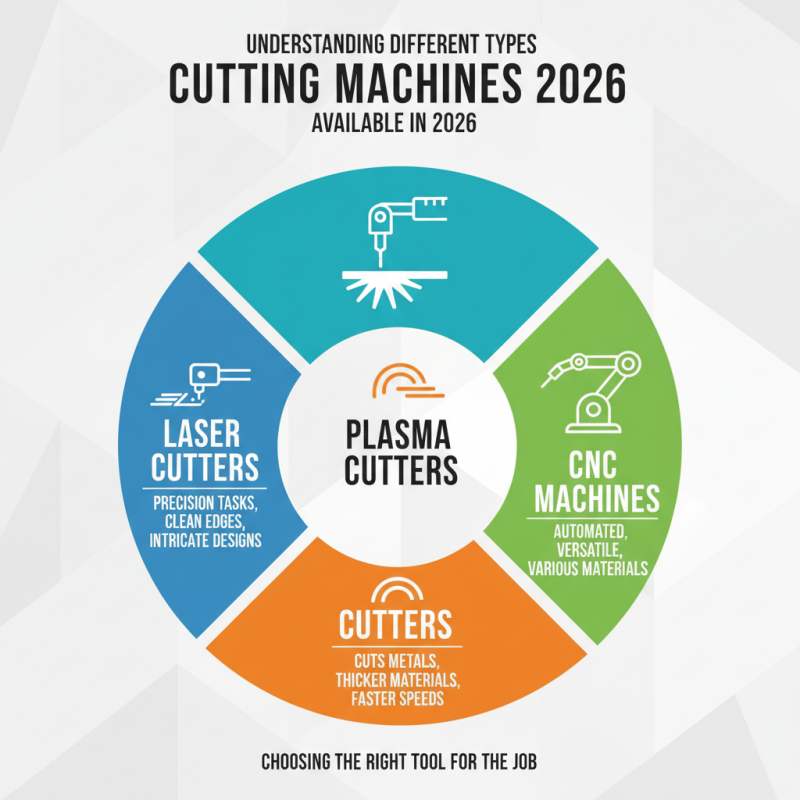
In 2026, the landscape of cutting machines is diverse. The selection includes laser cutters, plasma cutters, and CNC machines. Each type has unique applications and benefits. For precision tasks, laser cutters shine. They provide clean edges and are ideal for intricate designs. However, they may be costly and require specific maintenance.
Plasma cutters are excellent for cutting through thicker materials. They are versatile and efficient for industrial use. But, they can produce rougher edges compared to lasers. On the other hand, CNC machines offer programmable cutting capabilities. This allows for mass production with consistent results. Yet, they might necessitate a steep learning curve for operators.
When considering a cutting machine, reflect on your needs. What materials will you cut? How often will you use the machine? Evaluate your budget and space limitations. It’s easy to overlook long-term maintenance costs as well. A machine that fits today’s needs might not serve you well in the future. Take the time to research and think critically before making a decision.
When selecting a cutting machine, key features can significantly impact your choice. Precision is crucial. According to industry reports, machines with higher cutting tolerances produce less waste. Tolerances should ideally be within ±0.01 mm for high-quality production. This precision affects not only material usage but also overall efficiency.
Speed is another essential factor. Some machines provide cutting speeds of up to 120 mm per second. This can drastically reduce production time. However, rapid speed might compromise accuracy. Research shows that some machines struggle with consistent performance at high speeds, creating a trade-off between speed and precision.
User interface and operational ease cannot be overlooked. Machines that are complex can lead to higher error rates. Industry analysis indicates that user-friendly designs enhance efficiency. Training time decreases, allowing staff to focus on quality. Moreover, maintenance requirements are critical. Machines that are easier to maintain lead to less downtime. Companies often underestimate the importance of serviceability. Regular maintenance issues can result in significant delays and increased costs.
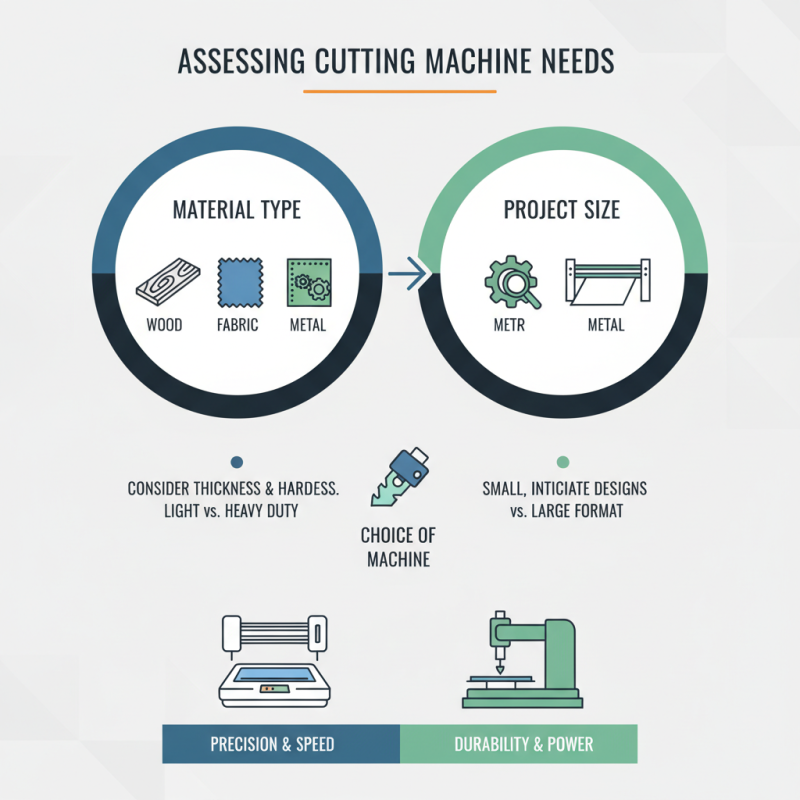
Choosing the right cutting machine hinges on understanding your project’s material and size requirements. Every project is unique, with specific demands. For example, intricate designs on thick materials will require a machine that can handle both precision and durability. Recognizing the types of materials—wood, fabric, or metal—guides your decision. Some machines perform well with lighter materials but struggle with heavier ones.
Consider the size of your projects. If you frequently work with large pieces, a compact machine may restrict your creativity. Conversely, a machine too large for small projects may lead to unnecessary complexity and space issues. Think about your workspace and the intended projects. You want a machine that complements your workflow without overwhelming it. Remember to reflect on your past experiences. Have you had challenges in your cutting projects? These reflections can inform your choice.
When choosing a cutting machine, budgeting is crucial. The initial cost may seem low, but think long-term. You may encounter hidden costs like maintenance and upgrades. A reliable machine can save you money over time.
Consider your specific needs. A professional setting may require a higher upfront investment. However, for hobbyists, a more affordable option may suffice. Invest wisely based on how often you plan to use it.
**Tips:** Research various models and their features. Compare reviews to determine durability and performance. Make sure to consider warranty details. Investing in a sturdy machine could prevent future expenses. Always weigh the cheapest option against long-term usability. Choose something that aligns with your goals, but don’t dismiss the potential highs and lows of your decision.
| Feature | Budget Option | Mid-Range Option | Premium Option |
|---|---|---|---|
| Cutting Width | 12 inches | 24 inches | 36 inches |
| Material Compatibility | Vinyl | Vinyl, Paper | Vinyl, Paper, Fabric |
| Blade Type | Standard | Adjustable | Rotary |
| Price Range | $100 - $200 | $300 - $600 | $700 - $1200 |
| Long-Term Value | Basic projects | Versatile use | Professional quality |
Maintenance is crucial for the longevity and performance of your cutting machine. Regular upkeep can prevent costly failures and ensure optimal efficiency. Dust and debris often accumulate in sensitive areas. This can lead to overheating or malfunctions if not addressed. It’s essential to follow the manufacturer’s recommendations for cleaning and routine maintenance.
Tips for maintenance include checking the blade condition regularly. Worn or damaged blades can affect the cutting quality and strain the machine. Lubricate moving parts to reduce friction and wear. Use a soft brush to remove dust. It might seem minor, but it makes a difference over time. Many users overlook this simple step, leading to bigger issues later.
Support is equally important. Invest in training for your team. Understanding the machine’s operations can enhance productivity. It’s not just about fixing problems; it’s about preventing them. Document every maintenance activity. This can provide insight into patterns that may need your attention. Regular assessments can highlight areas for improvement. Reflecting on these findings will help refine your maintenance strategy.