What is a Frequency Converter and How Does it Work?
In the realm of electrical engineering, the "Frequency Converter" plays a crucial role in energy management. As Dr. Emily Chang, a leading expert in power electronics, notes, "Frequency converters are essential for ensuring compatibility between different electrical systems." These devices allow for the conversion of power supply frequency from one level to another, facilitating the smooth operation of various equipment.
Frequency converters are widely used in industries ranging from manufacturing to renewable energy. They enable machines to operate efficiently across different regions with varying power standards. However, the technology behind these converters can be complex. Understanding the underlying principles can be daunting for many. This is a reminder that even within a seemingly straightforward mechanism, there is much to learn and reflect upon.
The importance of frequency converters in today's interconnected world cannot be understated. As they bridge gaps between different electrical frequencies, they enhance operational efficiency. Yet, challenges remain, such as improving reliability and reducing energy losses during conversion. Continuous innovation in this field is necessary to ensure that frequency converters meet the ever-evolving demands of modern industries.
What is a Frequency Converter?
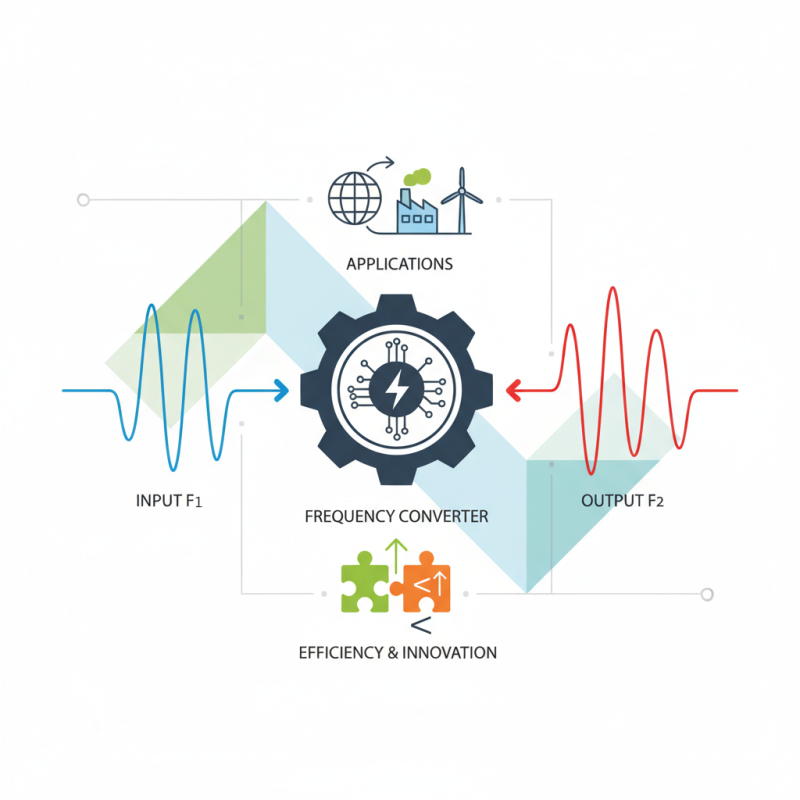
A frequency converter is essential in various industrial applications. It allows the adjustment of electrical frequency to control the speed of motors. Typically, these devices convert AC power from one frequency to another. A standard application is in HVAC systems, where precise motor control is crucial. The International Energy Agency reports that frequency converters can enhance the efficiency of motor-driven systems by 20% to 50%. This efficiency translates into significant energy savings.
The mechanism behind a frequency converter involves rectification, inversion, and filtering processes. It transforms input electricity into a usable frequency based on specific requirements. For instance, in manufacturing, altering motor speeds can reduce energy consumption and wear. However, not all frequency converters are equal. Their efficiency can vary, and operational complexity may require skilled personnel. The industry faces challenges in achieving uniformity and reliability across different converter models.
Advanced frequency converters also support renewable energy sources. As more companies adopt green energy, these converters facilitate the integration of wind and solar. There still exist concerns about voltage spikes and harmonic distortion, which can impact system performance. Thus, ongoing research in frequency converter technology aims to mitigate these issues while improving reliability.
Frequency Converter Applications and Efficiency
This chart illustrates the efficiency of frequency converters in various applications. Industrial applications show a high efficiency of 85%, while renewable energy systems leverage converters to achieve up to 90% efficiency. HVAC systems, electric vehicles, and consumer electronics show a range of efficiencies, demonstrating the versatility of frequency converters across different sectors.
The Importance of Frequency Converters in Industry
Frequency converters play a crucial role in industrial applications by adjusting the frequency of electrical power supply. This is essential for driving alternating current (AC) motors, which operate efficiently at specific frequencies. According to a report by MarketsandMarkets, the global frequency converter market is projected to grow from $5.3 billion in 2023 to $8.2 billion by 2028, indicating their increasing importance in various industries.
In manufacturing, frequency converters enable precise control over motor speed and torque, leading to energy savings. A study by the U.S. Department of Energy revealed that implementing variable frequency drives (VFDs) can reduce energy consumption by 20-50% in pump applications alone. This can significantly lower operational costs across different sectors, including water treatment, HVAC, and transportation. However, the initial investment in frequency converters can be substantial, and not all industries may see immediate ROI.
Moreover, frequency converters contribute to better equipment lifespan. They minimize mechanical stress on motors by providing smoother acceleration and deceleration. This reduces maintenance needs and downtime. Yet, there can be challenges. Some converters might introduce harmonics into the power system, affecting overall efficiency. Industries must weigh these potential issues against the benefits they offer. As technology evolves, more cost-effective and efficient solutions may emerge, further integrating frequency converters into industrial practices.
How Frequency Converters Work: The Technical Process
Frequency converters play a critical role in various industrial applications. They adjust the frequency of electrical power to suit specific equipment needs. Typically, these devices are vital for managing AC and DC energy conversions.
The technical process behind frequency converters involves several components. Initially, the source power is rectified into direct current (DC). This DC voltage then undergoes filtering to produce a stable output. Following this, an inverter converts the DC back into alternating current (AC) at the desired frequency. This method allows precise control over speed and torque in motors. Reports indicate that improperly calibrated systems can lead to inefficiencies; studies show that up to 30% of industrial motors run below optimal efficiency without proper frequency control.
Effective frequency conversion demands technical expertise. However, many systems are not optimized due to outdated technology. According to research, nearly 50% of manufacturing plants still rely on older systems lacking modern frequency control. This gap highlights the need for skilled implementation to maximize energy savings and improve operational efficiency. Addressing these challenges can enhance performance and reduce operational costs, ensuring that every resource is used effectively.
Types of Frequency Converters and Their Applications
Frequency converters are crucial in various applications, allowing for efficient energy conversion. They come in different types, each serving specific functions. The most common types are static converters, dynamic converters, and rotary converters. Static converters are often used in renewable energy systems. They convert DC to AC, enabling integration with the grid.
Dynamic converters, on the other hand, are utilized in applications requiring variable frequency output. They are commonly found in industrial settings where motor speed control is essential. Rotary converters are less frequent but are valuable for converting three-phase to single-phase power. Each type has unique features influencing its application area.
When selecting a frequency converter, consider the load requirements. Assess the efficiency and performance standards of your application. Proper installation is crucial for optimal function. Regular maintenance helps prevent unexpected failures and prolongs lifespan. Be mindful that while converters are robust, they can fail under extreme conditions. It's essential to evaluate the environmental factors impacting performance.
What is a Frequency Converter and How Does it Work? - Types of Frequency Converters and Their Applications
| Type of Frequency Converter | Working Principle | Typical Applications | Advantages | Disadvantages |
| AC to AC Converter | Uses thyristor or transistor-based circuits to change the frequency. | Fan and pump control, HVAC systems | High efficiency, compact size | Harmonic distortion, limited load range |
| DC to AC Converter (Inverter) | Converts DC voltage into AC voltage with desired frequency using PWM technique. | Renewable energy systems, electric vehicles | Versatile output, good control | Complex circuitry, cost |
| AC to DC Converter (Rectifier) | Uses diodes to convert AC voltage to DC voltage. | Power supply systems, battery chargers | Simple design, low cost | Only provide DC output, less flexible |
| Variable Frequency Drive (VFD) | Modulates the input voltage and frequency to control motor speed. | Industrial motors, conveyor belts | Energy saving, motor protection | Initial cost, requires maintenance |
| Matrix Converter | Directly converts AC power from one frequency to another without intermediate DC link. | Synchronous motor drives, renewable energy | Compact, no energy storage | Control complexity, limited to smaller power ratings |
Advantages and Disadvantages of Using Frequency Converters
Frequency converters play a vital role in various industrial applications. They offer both advantages and disadvantages that users should consider. One key benefit is energy efficiency. By adjusting the frequency of power supply, these devices optimize motor performance. This can lead to significant energy savings over time. Additionally, they enable precise control over motor speed, enhancing operational flexibility.
On the downside, frequency converters can be expensive to install and maintain. The initial costs can be daunting for small businesses. Users might also face compatibility issues with existing systems. Potential electromagnetic interference is another concern. This can impact sensitive equipment nearby. Troubleshooting can be complex, requiring specialized knowledge. Not all technicians have the expertise to handle these systems effectively.
Understanding these factors is essential for making informed decisions. While frequency converters can improve efficiency and control, their drawbacks shouldn't be overlooked. Users must weigh the benefits against potential challenges. This reflection fosters a well-rounded perspective on integrating frequency converters into operations.