Top 10 Facts About Muscovite Mica You Should Know?
muscovite mica, a fascinating mineral, has captured the attention of many. With its shimmering beauty and unique properties, it holds secrets worth exploring. This mineral is widely used in various industries, including cosmetics and electronics. However, there is more than meets the eye with muscovite mica.
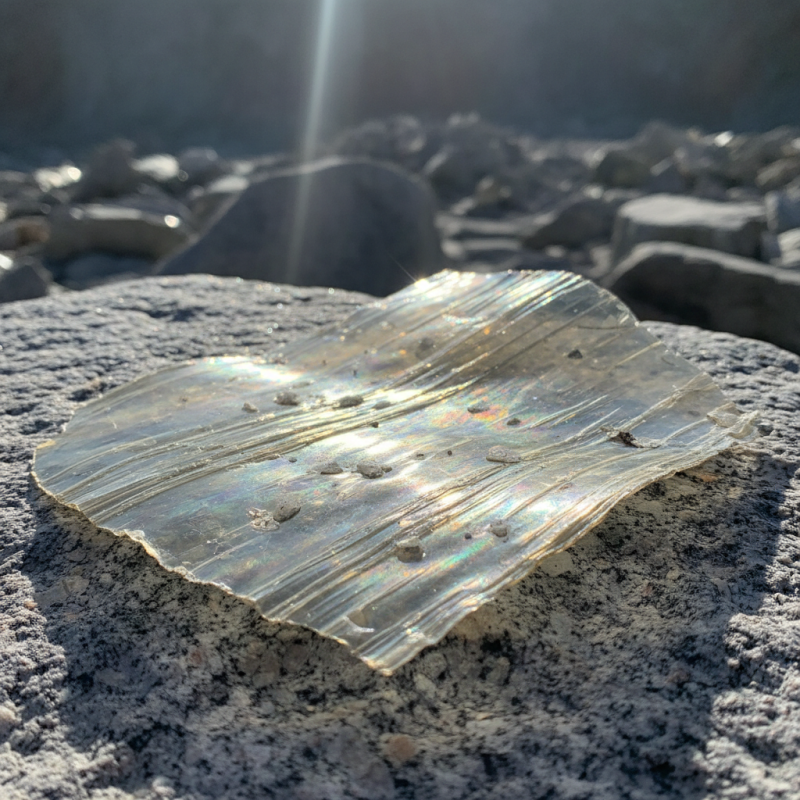
This mineral is known for its layered structure, which allows it to be split into thin sheets. These sheets are flexible and can reflect light efficiently. muscovite mica is often found in igneous rocks, making it a symbol of nature’s artistic touch. Yet, the mining and sourcing of this mineral raise ethical questions.
As we delve into the top ten facts about muscovite mica, it is essential to consider both its allure and the complexities surrounding its extraction. Understanding these elements provides a clearer picture of this remarkable mineral. What seems beautiful on the surface often calls for deeper reflection.
Overview of Muscovite Mica and Its Formation Process
Muscovite mica, a naturally occurring mineral, forms through a complex geological process. This mineral usually develops in igneous and metamorphic rocks. It appears in thin, flexible sheets, which makes it unique. Muscovite is primarily composed of potassium, aluminum, and silicate.
The formation process of muscovite mica involves high temperatures and pressures. During the cooling of granitic magma, conditions allow muscovite to crystallize. According to the United States Geological Survey, approximately 700,000 tons of mica were produced globally in 2020 alone. This emphasizes the mineral's significance in various industries, particularly in electronics and construction.
Muscovite can also be found in schist and gneiss formations. Its shimmering appearance is due to its layered structure. Despite its beauty and utility, mining practices can raise concerns. Environmental impacts and resource management issues need to be addressed. The mining process can disrupt habitats and waterways. This complexity highlights the need for sustainable practices in the mica industry.
Key Characteristics and Properties of Muscovite Mica
Muscovite mica is a fascinating mineral with unique properties. This silicate mineral is known for its excellent transparency and flexibility. It can be easily split into thin sheets, which often makes it desirable for various applications. The shimmer of muscovite mica adds a touch of beauty to many products. Its high biotite content gives it a distinctive appearance.
When using muscovite mica, consider the following tips. Use it in cosmetics for a natural glow. Its reflective properties can enhance the appearance of eyeshadow and blush. Watch the quality of the mica you select. Some sources may have impurities that affect performance.
Another key characteristic is its thermal stability. Muscovite mica can withstand high temperatures without degrading. This makes it useful in construction materials and electrical insulation. However, not all applications are suited for muscovite. Reflect on its limitations, particularly regarding moisture absorption. This can affect its effectiveness in certain environments.
Common Uses of Muscovite Mica in Industry and Crafts
Muscovite mica is a versatile mineral widely used in various industries. In construction, it serves as a key ingredient in insulation materials. It offers excellent thermal and electrical resistance. Builders appreciate its lightweight properties. This makes it easier to handle and apply.
In the world of cosmetics, muscovite mica is a popular choice. It adds shimmer and shine to makeup products. This mineral enhances the appearance of eyeshadows and highlighters. Its natural origin appeals to many consumers today. People often seek products that look good but are also gentle on the skin.
Craft enthusiasts also utilize muscovite mica. It can be blended into paints and glazes, giving art projects a unique finish. However, sourcing muscovite responsibly is a concern. Some mining practices can be harmful to the environment. Artists must reflect on their materials and make informed choices. It’s essential to balance creativity with sustainability.
Environmental Impact and Sustainability of Mica Mining
Muscovite mica is a versatile mineral, often used in cosmetics and electronics. However, its mining poses significant environmental challenges. Unregulated mining can devastate ecosystems. It disrupts soil and water sources, leading to habitat loss. Communities near mining sites often face pollution and health risks. This raises questions about the sustainability of mica production.
Tips: Choose eco-friendly alternatives when possible. Support initiatives that promote responsible mining practices. Awareness is key for consumers.
Additionally, many mica miners work in hazardous conditions. They may be exposed to dangerous materials without proper safety measures. The social implications are serious. Many workers are vulnerable, often lacking fair compensation or basic rights. Addressing these issues requires collective effort.
Tips: Advocate for ethical sourcing of minerals. Stay informed about the impact of your purchases. Making mindful choices can lead to positive change.
Historical Significance and Cultural Uses of Muscovite Mica
Muscovite mica holds significant historical value across various cultures. This mineral was used in ancient times, particularly in Russia and India. It was often crafted into decorative items and served as a valuable resource in construction. The unique layering of muscovite makes it a notable choice for creating intricate designs.
In spiritual practices, muscovite mica has long been considered a symbol of light and enlightenment. Its reflective surfaces are thought to amplify energy and enhance meditation experiences. Ancient cultures believed that incorporating mica in rituals could connect them with the divine. This infatuation lasted through generations and shaped local customs.
Interestingly, as we revisit its historical significance, we see a lens of cultural identity. Many artisans today are exploring ways to incorporate muscovite into modern designs. Still, it raises questions about authenticity. Are contemporary uses straying too far from tradition? While muscovite continues to inspire, its true essence prompts a need for reflection.
Top 10 Facts About Muscovite Mica