What is Electrical Steel and Why is it Important?
Electrical Steel is a crucial material in the manufacturing of transformers, motors, and generators. It possesses a specific magnetic property that enhances energy efficiency. Industry experts point out that electrical steel accounts for over 70% of the weight in electric motors. This makes its production methods and quality essential for energy savings and performance.
One noted expert, Dr. Michael Grant, emphasizes, "Electrical steel is the backbone of the energy-efficient future." As demand for renewable energy solutions grows, the role of electrical steel becomes even more significant. Its importance lies not only in traditional power generation but also in the burgeoning sectors of electric vehicles and renewable energy.
However, challenges persist in the industry. Manufacturers face rigorous standards and fluctuating costs of raw materials. The need for modernization in production techniques is evident. As we strive for innovation, the focus on enhancing performance without compromising the environment also requires reflection and ongoing improvement. Understanding electrical steel’s significance in our energy landscape is essential for future advancements.
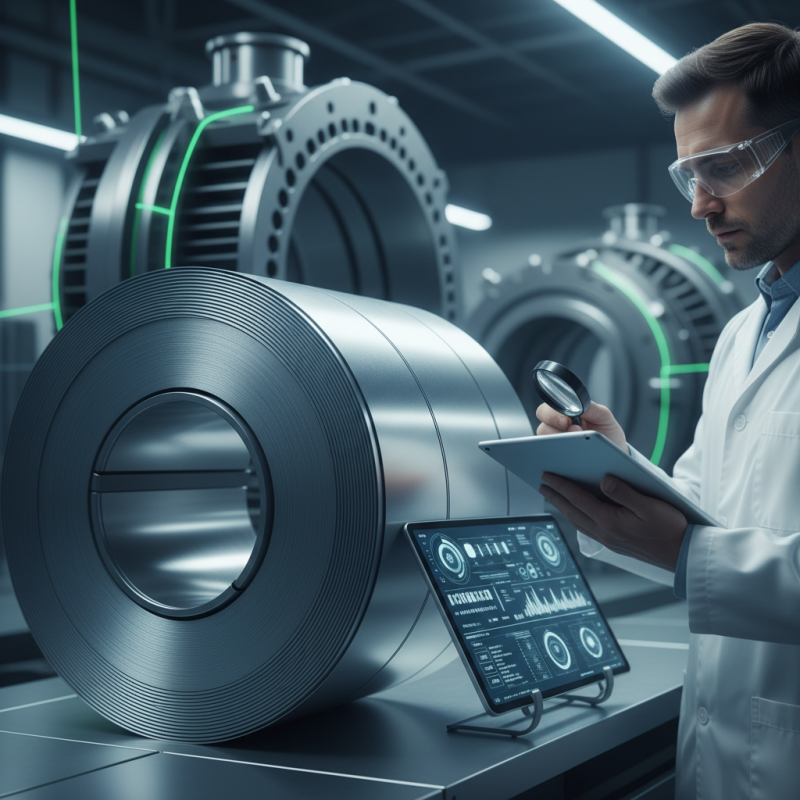
Definition and Composition of Electrical Steel
Electrical steel is a specialized material used in the manufacturing of electrical devices. It is composed mainly of iron with silicon, which enhances its magnetic properties. Typically, the silicon content ranges from 1% to 6.5%, helping to reduce energy losses during operation. This composition is crucial for improving the efficiency of transformers, motors, and generators, leading to significant energy savings.
The importance of electrical steel can be seen in industry reports. The global electrical steel market was valued at over $29 billion in 2021. It is projected to grow steadily, driven by the increasing demand for energy-efficient devices. The steel’s magnetic properties are vital in minimizing core losses in electrical apparatus, which can otherwise lead to overheating and inefficiency.
Tips: When selecting electrical steel, consider the specific requirements of your application. Not all grades are the same. Some may perform better in high-frequency applications, while others excel in low-frequency uses. Understand the properties to choose wisely. On the production side, the manufacturing process must ensure precision. Any flaws in the steel can lead to increased energy losses. Continuous improvement is essential in this field. Regular audits of production practices can help identify areas for enhancement and reflection on quality control measures is necessary.
Types of Electrical Steel and Their Properties
Electrical steel is a specialized material used in the manufacturing of electrical components. It is crucial for the efficiency of transformers and electric motors. There are two main types of electrical steel: silicon steel and non-oriented electrical steel.
Silicon steel contains silicon, which improves magnetic properties. This type is widely used in transformers. It helps reduce energy loss during power transmission.
Non-oriented electrical steel, on the other hand, offers flexibility in manufacturing. It performs well in applications with changing magnetic fields, like motors. These properties make electrical steel vital for modern energy needs.
The production of electrical steel is complex. It requires precise control over composition and processing. Any variation can impact performance significantly. Manufacturers often face challenges in achieving optimal characteristics. This ongoing struggle highlights the need for innovation in material science.
So, while electrical steel plays a critical role, questions about its production remain essential for future advancements.
Applications of Electrical Steel in Industry
Electrical steel is a specialized material designed for use in electromagnetic applications. It has unique magnetic properties that improve energy efficiency in motors and transformers. This specialty steel plays a crucial role in various industries, impacting everything from renewable energy to electric vehicles.
In the automotive sector, electrical steel is fundamental for electric motors. These motors benefit greatly from the high magnetic permeability of electrical steel, leading to better performance and reduced energy losses. Moreover, as the demand for electric vehicles rises, the need for efficient electrical components grows. This is an area ripe for innovation and development.
**Tips:** When considering electrical steel, think about its efficiency in application. Even small improvements can lead to significant energy savings. Use caution in selecting the right type for your needs—different applications may require different properties. Always assess the long-term implications of material choices; sometimes, cost savings now lead to inefficiency later on.
Importance of Electrical Steel in Energy Efficiency
Electrical steel plays a crucial role in the efficiency of electrical applications. It is widely used in transformers, motors, and generators. Studies show that utilizing high-quality electrical steel can enhance energy efficiency by up to 10%. This reduction significantly decreases operational costs in various industries.
Improved energy efficiency leads to a lower carbon footprint. According to the International Energy Agency, energy losses in the electrical sector account for about 8% of global emissions. By using advanced electrical steel, companies contribute to cleaner energy solutions. This investment can offer a significant return by lowering energy consumption.
**Tip**: When selecting electrical steel, consider its core loss properties. Lower core loss means better efficiency. Pay attention to the thickness and magnetic properties. A slight increase in these factors can lead to substantial energy savings. Ensure the supplier meets industry standards for optimal performance.
Importance of Electrical Steel in Energy Efficiency
Electrical steel plays a critical role in the production of efficient electrical machines and transformers. Its unique magnetic properties improve energy efficiency in electrical applications. The chart below illustrates the efficiency improvement in various electrical applications using electrical steel compared to traditional steel.
Future Trends and Innovations in Electrical Steel Technology
Electrical steel plays a crucial role in modern technology. Innovations in this field are accelerating rapidly. The global market for electrical steel is expected to reach $30 billion by 2025. This growth reflects increased demand in electric vehicles (EVs) and renewable energy sectors.
Next-generation electrical steels focus on efficiency. Recent studies show advanced grades improve energy loss by up to 20%. This efficiency leads to lower operational costs. However, challenges remain.
Producing high-quality electrical steel requires precise control of manufacturing processes. Many companies still face difficulties in achieving this.
Sustainability is another key focus. Manufacturers are exploring recycling and reduced material usage. The push for greener practices is essential. Research indicates that electrical steel production can contribute to a significant reduction in carbon emissions.
Yet, the industry must address the gap between innovation and implementation. There is still much room for improvement in sustainability measures.