Industrial Machinery Company

7 Tips for Choosing the Best UPVC Door Hinges

A UPVC door can look sound yet still scrape the threshold, leak a thin line of daylight, or resist locking. The hinges often influence how the sash sits against the frame, but they are only one part of the door system. Choosing replacements by appearance alone can lead to mismatched fixing positions, limited adjustment, or a door that still drops.

The U.S. Energy Information Administration’s 2020 Residential Energy Consumption Survey reports that space heating accounts for about 42% of household energy use. That figure does not measure hinge performance, and hinges alone cannot guarantee lower energy bills. It does show why a well-fitting door matters: poor alignment can compromise the seal around the frame. For reliable decisions, check the door manufacturer’s specifications and the hinge’s load rating, dimensions, material, adjustment range, and test documentation. EN 1935:2002 provides a recognized classification and test framework for single-axis hinges; confirm that the product’s stated rating suits your door.

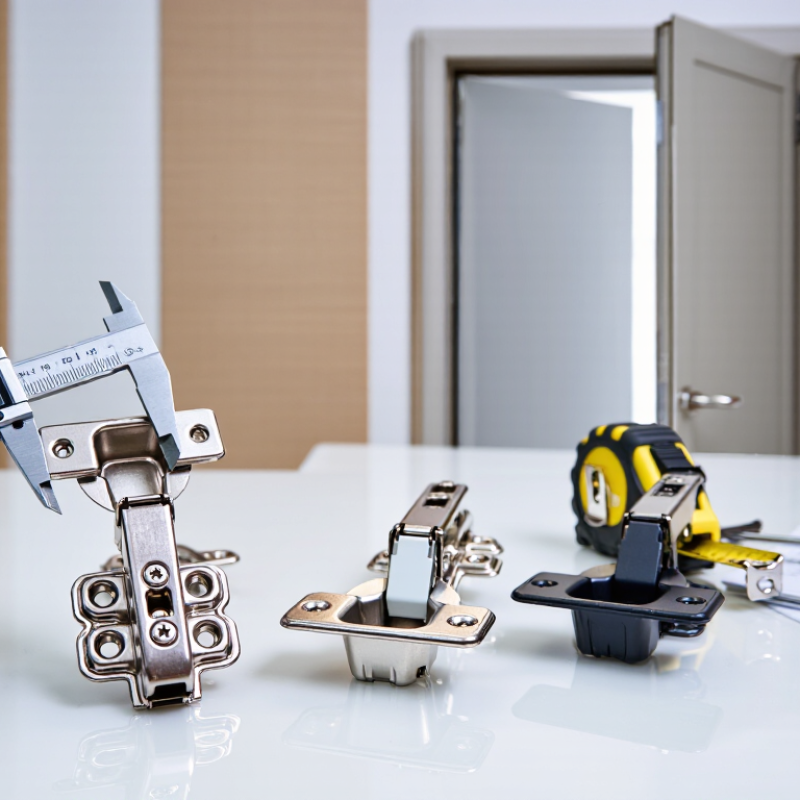
Small details matter. Measure the existing hinge, note its screw pattern, and inspect whether the sash rubs at the top corner or latch side. Ask whether adjustment remains possible after installation, and whether the hinge resists corrosion in your setting. Not every UPVC door uses the same profile or hinge system. That is easy to overlook. These seven tips will help you compare Upvc Door Hinges with practical evidence, while recognizing that an uncertain door weight or damaged frame may need a qualified installer’s assessment.
7 Tips for Choosing the Best UPVC Door Hinges

Match Hinge Load to Door Mass: EN 1935 Classes Extend to 160 kg

A heavy UPVC door can strain a hinge long before it looks damaged. Check the door’s actual mass, including glazing and attached hardware, rather than estimating by appearance.

EN 1935 hinge classes include ratings for doors weighing up to 160 kg. That figure is not a promise that every hinge or installation can carry that load.

Match the hinge’s certified class and stated capacity to the complete door assembly. Also check how many hinges the rating assumes, and whether the manufacturer’s instructions specify particular fixing methods.

A three-hinge setup may distribute weight differently from a two-hinge setup, but extra hinges do not automatically correct unsuitable hardware. Check the frame, too. Soft or damaged fixing points can undermine a high-rated hinge.

On site, look for sagging at the latch edge, uneven gaps, or screws that loosen after repeated use. These clues may point to load problems, poor alignment, or both.

A rating chart can seem tidy; real doors are less tidy. Measure carefully, and confirm the door construction and installation details before choosing.

Small details count.

If the door mass is uncertain, have it weighed or ask a qualified installer to assess the assembly.

Compare Durability Ratings: EN 1935 Grade 7 Means 200,000 Test Cycles

When comparing UPVC door hinges, check the durability classification rather than relying on a polished finish or a “heavy-duty” label. Under EN 1935:2002, durability grade 7 represents 200,000 test cycles. A cycle is a controlled opening-and-closing operation, so the rating gives a useful benchmark for frequent-use doors. It is not a promise of a specific service life.

Look for test information alongside the grade: hinge size, applied load, and whether the tested configuration matches your door. A heavy glazed door puts different demands on hinges than a lightweight panel.

EN 1670:2007 rates corrosion resistance separately; its Grade 4 corresponds to 240 hours in a salt-spray test.

That result concerns corrosion, not opening cycles. Two ratings, two different risks.

In practice, check the hinge pins and fixing points, too. A Grade 7 hinge can still perform poorly if screws loosen or the door is misaligned. Listen for rubbing. Check whether the door drops after repeated use. Small details matter. Standards cannot fully reproduce damp rooms, grit on the threshold, or years of rough handling. A little uncertainty remains. Use the ratings to compare products, then confirm the test conditions suit your door and installation.

Check Corrosion Resistance: EN 1670 Rates Hardware from Grade 0 to 5

When choosing UPVC door hinges, check their EN 1670 corrosion-resistance grade, not just their appearance. The standard rates hardware from Grade 0 to Grade 5 through controlled salt-spray testing. Grade 0 has no defined resistance in this classification. Grades 1 to 5 correspond to increasing test exposure, from 24 hours to 480 hours. A higher grade generally indicates better resistance to corrosion in the test.

But test hours are not years outdoors. The rating is useful, but imperfect. A hinge beside a salty coastline faces different conditions from one on a dry interior door. Look for a grade suited to the actual setting, especially near the sea or in a damp bathroom. Check the hinge edges, screw heads, and moving joint too; corrosion can begin where a coating is thin or damaged. Small details matter.

Also consider cleaning and maintenance. Salt, grit, and trapped moisture can collect around the hinge knuckle, even on well-rated hardware. Wipe away deposits and check for orange marks or stiff movement. Do not treat Grade 5 as a lifetime guarantee. It is one useful comparison, not a promise about every installed door.

Review Security and Fire-Test Classification Before Selecting Hinges

Security and fire-test classification deserve attention before comparing hinge finishes or adjustment features. A hinge can look substantial yet still be unsuitable for a particular door. Check the door’s weight, hinge count, fixing points, and the manufacturer’s installation instructions. On a busy entrance, loose screws or a sagging door can become a security weakness. Small details matter.

For security, look for hinges designed to resist removal or forced separation, such as concealed fixings or suitable anti-lift features. These features only help when the hinge is correctly matched to the frame and securely fixed. Check that screws enter the specified reinforcement, not just the outer UPVC skin. That distinction is easy to miss.

Fire classification needs even more care. If the door is part of a fire-resisting assembly, confirm that the exact hinge type and quantity are covered by the relevant test evidence or approved specification. A fire-rated hinge alone does not make an ordinary door fire-rated. Ask for documentation and verify that the door, frame, seals, hardware, and installation match it. I would not rely on a sales description alone; paperwork can be less clear than expected. If the evidence is incomplete, pause and ask a qualified door professional before selecting or fitting the hinges.

Confirm Profile Fit, Adjustment Range, and Manufacturer Installation Limits

A UPVC hinge must match the door profile, not just the old hinge’s outline. Measure the rebate depth, sash overlap, hinge stack height, and screw positions. A few millimetres can change compression against the seal. Check the adjustment range in the technical sheet, too. It should allow practical correction for height, side play, and gasket pressure without forcing the sash.

Capacity depends on the complete installation. The European standard EN 1935 classifies hinge durability; its highest durability grade represents 200,000 test cycles. That figure describes a tested hinge classification, not a promise that every door setup will last equally long. Confirm the manufacturer’s stated maximum sash weight and dimensions, required hinge count, fixing type, and any reinforcement requirements. A high load rating is not useful if the screws bite only into thin PVC.

Look closely at the installation limits. Do they require a specific screw length or spacing? Do they exclude unusually wide sashes? Those details matter. On site, a hinge may appear aligned while the sash slowly drops after repeated use. That is easy to miss during a quick check. I would recheck the profile drawing and fitting instructions before ordering; matching by appearance alone is tempting, but not reliable.

7 Checks for Choosing UPVC Door Hinges

Compare the checks to make before choosing a hinge. The bars count verification points, not product ratings.

Confirm the hinge suits the door profile, check which adjustment directions and ranges are available, and follow the manufacturer’s stated weight limits and installation instructions.