Industrial Machinery Company

How to Choose the Right Industrial Machinery for Your Business?

Choosing the right industrial machinery is critical for business success. In recent years, the global industrial machinery market has seen substantial growth. According to a report by MarketsandMarkets, the industry is expected to reach about $700 billion by 2025. This statistic reflects the increasing demand for efficient production technologies.

Selecting appropriate machinery involves understanding your specific needs. Factors like production volume, energy efficiency, and technology integration play a significant role. Moreover, advancements in automation are reshaping standards. Many companies struggle to keep pace with these changes. Reports indicate that 70% of manufacturers feel unprepared for technological upgrades.

Investing in the right industrial machinery can offer substantial returns. Companies that adapt quickly often see improved productivity and reduced operational costs. However, it is vital to assess potential risks and challenges. Many businesses overlook maintenance costs and training needs, which can lead to unforeseen issues.
How to Choose the Right Industrial Machinery for Your Business?

Understanding Your Business Needs for Industrial Machinery

Understanding your business needs for industrial machinery is critical for success. Begin by assessing your production goals. What are your current outputs? Consider the future demands as well. Make a list of equipment you think could improve efficiency. This allows you to visualize what you require.

Next, examine the specific features of the machinery. Do you need faster processing times or more precise measurements? Identify which aspects matter most to your operations. You might discover that a more basic model suits your business better than the latest technology. It’s also essential to think about maintenance and support. Not every machine is easy to maintain.

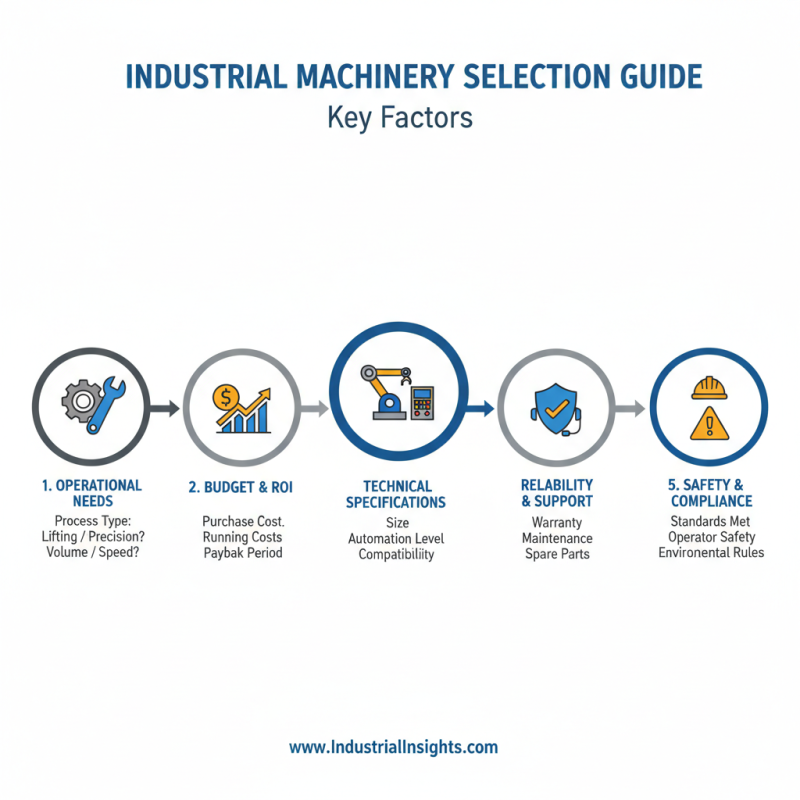
Don't forget to evaluate costs. Understand the balance between upfront investment and long-term savings. Sometimes, more expensive options are more reliable. Yet, cheaper machinery might lead to higher costs over time due to repairs. Make sure to factor in these elements before making a decision. This reflection could save you from costly mistakes later on.
Evaluating Different Types of Industrial Machinery Available

When evaluating different types of industrial machinery, clarity is crucial. Various factors influence your choice. Understand the specific needs of your business. Assess production capabilities. Does the machinery meet your output requirements? Consider energy efficiency. Machines that consume less energy can save costs.

Maintenance is another key aspect. Some equipment requires more upkeep than others. Ensure you have access to support and parts. Think about how often you will need repairs. Not all machines come with reliable service.

Explore the technology used in different machines. Advanced technology can enhance productivity. But sometimes, it may be too complex for your team. Reflect on your staff's skills. Ensure they can operate and maintain the machinery effectively. Balancing technology with usability is vital.

Factors to Consider When Choosing Industrial Machinery

How to Choose the Right Industrial Machinery for Your Business?

Choosing the right industrial machinery is a crucial decision for any business. Several factors influence this choice, starting with the specific needs of your operation. Identify the type of processes you will run. For example, do you need equipment for heavy lifting or precise manufacturing? Understanding your requirements helps narrow down options.

Consider the size and space available for the machinery. Each machine has different spatial requirements. Measure your facility to ensure you can accommodate the equipment without any issues. Availability of upgrades is another essential aspect. Some machinery allows for easy enhancements, which can save costs in the long run.

Evaluate the reliability of suppliers and service options. Research their track record and support services. It's vital to ensure that you can access help when needed. Be cautious of overly optimistic claims about equipment performance. Sometimes, functionality can fall short of expectations, leading to operational delays. Handling these details well can make a significant difference in long-term success.

Budgeting and Financing Options for Machinery Acquisition

Acquiring industrial machinery is a significant investment for any business. Understanding budgeting and financing options can ease this process. According to a report by IBISWorld, machinery costs can range from tens of thousands to millions of dollars, depending on the complexity and scale of the equipment.

Financial institutions often offer specialized loans for machinery purchases. These loans can address specific needs, like cash flow management. About 25% of small businesses rely on these loans to acquire essential machinery. Leasing is another option, allowing businesses to use equipment without large upfront costs. However, long-term leasing can eventually exceed purchase costs, creating dilemmas for some companies.

Tip: Evaluate your cash flow before committing. Understand whether a loan, lease, or purchase fits your financial situation.

Invest in extending warranties to mitigate unexpected repair costs. For instance, research shows businesses lose up to 10% of their revenue due to machinery breakdowns. Hence, more maintenance means fewer failures.

Tip: Always calculate total ownership costs, including maintenance and operational expenses. It’s easier to overlook these while budgeting for the initial purchase.

Importance of Maintenance and Support in Machinery Selection

When selecting industrial machinery, maintenance and support can be critical factors. A machine's performance relies heavily on its upkeep. Investing in high-quality machinery without considering maintenance needs can lead to significant issues later. Regular maintenance can extend the life of a machine. Neglecting this aspect can result in costly breakdowns.

Support is paramount in machinery selection. Understanding who will provide technical assistance is crucial. Skilled technicians can resolve issues more efficiently than inexperienced personnel. Furthermore, having a reliable support network can reduce downtime. This often translates into increased productivity.

Choosing machinery that comes with robust technical support adds value to the investment. Some machines may seem perfect but lack strong maintenance options. Reflecting on long-term support can provide insights into the brand’s reliability. Prioritizing maintenance and support ensures that your machinery remains operational in the demanding industrial environment. Making informed decisions can prevent regrets down the line.

How to Choose the Right Industrial Machinery for Your Business? - Importance of Maintenance and Support in Machinery Selection

Machinery Type Key Features Maintenance Frequency Support Options Estimated Cost
CNC Milling Machine Precision cutting, automated control Weekly Online support, on-site technician $50,000
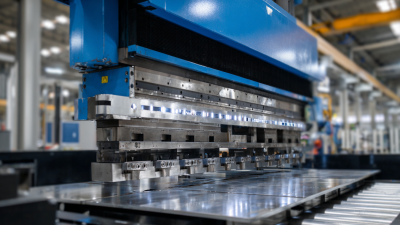
Hydraulic Press High force application, durable design Monthly Phone support, training workshops $30,000
Industrial Robot Versatile automation, high-speed operation Bi-weekly 24/7 tech support, remote diagnostics $80,000
3D Printer Additive manufacturing, rapid prototyping Every use Email support, online tutorials $15,000
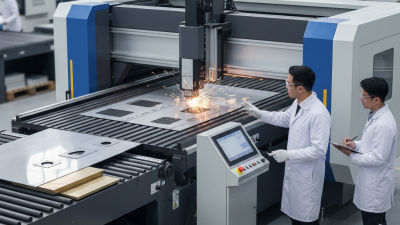
Laser Cutting Machine High precision, minimal material waste Weekly On-site support, maintenance packages $45,000