Industrial Machinery Company

How to Choose the Right Electrical Cabinet for Your Needs?

Choosing the right electrical cabinet is crucial for any project. An electrical cabinet protects vital components and ensures safety. When selecting one, consider your specific needs and environment.

You must evaluate space, design, and material. For instance, cabinets come in various sizes and styles. They can be wall-mounted or free-standing. The material impacts durability and security. Metal cabinets offer strength, while plastic ones provide lightweight options.

Moreover, think about ventilation and cooling needs. Proper airflow prevents overheating. Yet, be wary; not all cabinets provide adequate ventilation. Always assess the features and limitations. Making a careful choice can have lasting effects.
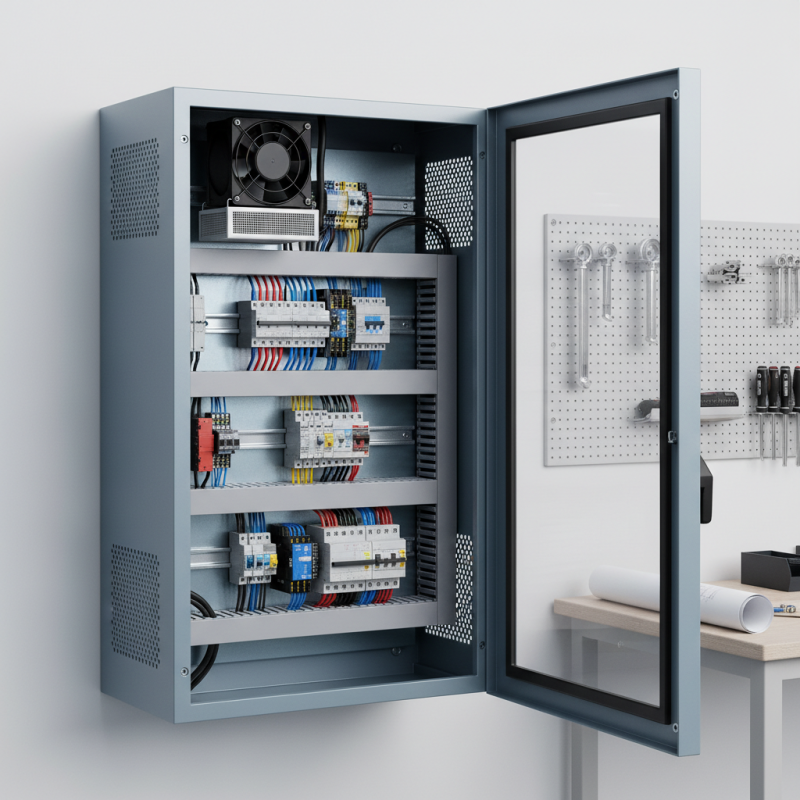
How to Choose the Right Electrical Cabinet for Your Needs?

Factors to Consider When Selecting an Electrical Cabinet

Choosing the right electrical cabinet requires careful consideration of several key factors. Start by evaluating the size of the space where the cabinet will be installed. Measure the area accurately to ensure a proper fit. An overly large cabinet can dominate a small room. Conversely, a small cabinet may not accommodate all necessary components.

Next, consider the environment in which the cabinet will be used. Think about exposure to weather elements, humidity, and temperature variations. For outdoor installations, a cabinet made from weather-resistant materials is essential. If the area is prone to dust, investing in cabinets with sealed doors could be wise.

Don't ignore the internal layout. The organization of circuit breakers, wiring, and other components matters greatly. A well-organized cabinet saves time during maintenance. Reflect on future needs as well. Will your setup expand? Anticipating changes can help you avoid other purchases down the line. It’s about balancing current requirements with possible future growth.

Types of Electrical Cabinets and Their Specific Applications

When selecting an electrical cabinet, understanding the various types and their applications is crucial. Enclosure types include NEMA-rated, IP-rated, and wall-mounted cabinets. A recent report indicated that NEMA-rated cabinets are widely used for their protection against dust and moisture, suitable for industrial settings. They typically range from NEMA 1 to NEMA 6 ratings, ensuring compatibility with different environmental conditions.

IP-rated cabinets are another option, especially for outdoor use. The IP code defines the level of protection against solids and liquids. For instance, an IP65 rating indicates total protection against dust and low-pressure water jets. This makes them ideal for installations in locations exposed to harsh weather. It's essential to choose the right rating based on local conditions.

Wall-mounted cabinets are often used in commercial spaces for smaller electrical needs. Their compact design saves space while providing a secure location for wiring and electrical components. However, this means they may not be suitable for larger, more complex systems. Some experts point out that fewer options are available for custom configurations, which may limit flexibility in some applications. Ensuring the right fit is vital to avoid future complications.

Types of Electrical Cabinets and Their Applications

Sizing Your Electrical Cabinet: Dimensions and Space Requirements

Choosing the right electrical cabinet involves careful consideration of dimensions and space requirements. The size of your cabinet must match the equipment it will house. Measure your devices accurately. Consider the height, width, and depth needed. It's important to leave some extra space for air circulation and future upgrades.

Beyond just fitting your equipment, think about where you will place the cabinet. A crowded space can lead to challenges. Make sure to account for any obstacles. Remember, accessibility is crucial. If you can’t easily reach the cabinet, maintenance becomes a hassle.

Taking the time to plan these details may feel tedious. Yet, overlooking them can lead to regret down the line. An ill-fitting cabinet can affect your workflow and the longevity of your equipment. Reflect on your current and future needs carefully. Small mistakes can compound, so don’t rush the process.

How to Choose the Right Electrical Cabinet for Your Needs? - Sizing Your Electrical Cabinet: Dimensions and Space Requirements

Cabinet Type Dimensions (H x W x D) Weight Capacity (kg) Material Use Case
Standard Wall-Mount Cabinet 60 cm x 40 cm x 20 cm 50 Steel Residential Electrical Systems
Floor-Standing Cabinet 150 cm x 80 cm x 60 cm 300 Aluminum Commercial Electrical Systems
Outdoor Cabinet 120 cm x 60 cm x 40 cm 200 Weather-resistant Steel Telecommunication Systems
Rack-Mount Cabinet 100 cm x 60 cm x 40 cm 150 Carbon Steel Data Centers

Material Choices for Electrical Cabinets: Strength and Durability

When selecting an electrical cabinet, the choice of materials is critical. Different materials offer varying levels of strength and durability. For instance, steel cabinets are renowned for their robustness. According to a 2022 report by the International Association of Electrical Inspectors, steel has a tensile strength of around 370 MPa, making it ideal for heavy-duty applications.

Aluminum is another popular option. It’s lighter than steel, weighing about one-third as much. However, its strength is lower, yielding a tensile strength of around 240 MPa. While aluminum provides good corrosion resistance, it may not suit environments with extreme physical stress. Manufacturers also offer fiberglass models. These are non-conductive and corrosion-resistant, with a tensile strength comparable to aluminum yet more durable in many applications.

While these options present significant benefits, you should also consider environmental factors. Coastal or industrial environments can lead to faster degradation of materials. Insufficient protection against moisture can also affect cabinet longevity. Ultimately, careful evaluation of material properties can help select a suitable electrical cabinet. Making informed choices based on strengths and weaknesses ensures adequate protection and longevity for your electrical components.

Safety Standards and Compliance for Electrical Cabinets

When selecting an electrical cabinet, safety standards must be a top priority. Compliance with local and international standards, such as IEC and NEMA, ensures that the cabinet meets necessary safety requirements. Neglecting these standards can lead to severe risks, including electrical fires or equipment malfunctions. According to a recent report by the National Fire Protection Association (NFPA), electrical failures are a leading cause of residential fires. Ensuring adherence to safety regulations minimizes these risks.

It's essential to consider the materials used in manufacturing the cabinet. Many reports emphasize the importance of fire-resistant materials. Cabinets made from fiberglass or metal offer better durability and safety compared to plastic alternatives. A study by the Electrical Safety Foundation International indicates that nearly 30% of electrical accidents result from poor equipment design or non-compliance with safety standards. Hence, investing in properly certified cabinets is critical for long-term safety.

Regular inspections are fundamental in maintaining compliance. Even high-quality cabinets can deteriorate over time. A proactive maintenance routine can identify potential issues before they escalate. Ignoring these checks can lead to compliance lapses, impacting both personnel safety and operational efficiency. Striving for continuous improvement in safety practices is essential for any organization handling electrical systems.