How to Choose China Top Pouch Machinery Manufacturers?
Choosing among China’s top Pouch Machinery manufacturers requires more than comparing prices or glossy factory videos. A reliable decision begins with your actual production needs. Consider pouch style, film structure, bag width, filling speed, sealing temperature, and expected daily output. A machine designed for three-side-seal pouches may not suit irregular stand-up bags. Small differences matter.
“Machine performance is proven on the production floor, not in the showroom,” says Michael Chen, a senior Pouch Machinery engineer with more than fifteen years of commissioning experience. His observation deserves attention. Ask manufacturers for test-run videos using your film, product, and pouch dimensions. Watch the seal jaw closely. Does it remain stable at high speed? Check registration accuracy, servo response, changeover time, and rejected pouch rates. Numbers should be recorded, not merely promised.
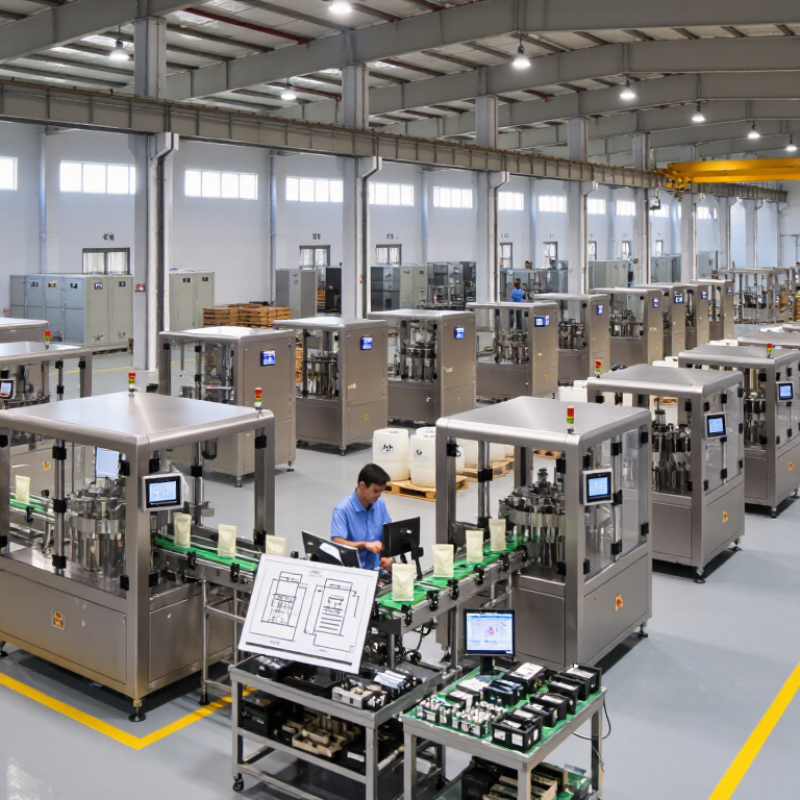
Strong manufacturers usually provide detailed drawings, factory acceptance testing, operator training, spare-parts lists, and responsive technical support. Visit the factory when possible. Look at the assembly area, electrical cabinets, machining quality, and finished machines awaiting shipment. Speak with existing customers, especially those using similar materials. One uncomfortable truth remains: the cheapest offer can become expensive after repeated downtime. Yet the most expensive machine is not automatically the best choice. Your evaluation may still miss hidden maintenance costs or software limitations. That is why a written specification, realistic trial, and clear warranty terms are essential. Choose a partner that understands production pressure, not only equipment sales.
Define Pouch Formats: Doypack, Sachet, Stick Pack, and 3-Side Seal
When evaluating China’s top pouch machinery manufacturers, begin with the pouch format, not the machine’s polished appearance. Doypack machines create a stand-up pouch with a bottom gusset, often using zipper film and corner sealing. Check whether the equipment controls gusset depth, zipper alignment, and seal pressure consistently. Small errors multiply.
Sachet machines produce compact, flat pouches, commonly for powders, liquids, or small portions. They require accurate dosing, clean cutting, and stable heat sealing. Stick pack machines form narrow, long packs with precise longitudinal sealing. Their film tracking must remain steady at high speeds. Three-side-seal machines make flat pouches sealed on three edges, leaving one side for filling. They are flexible, but seal width and cutting accuracy need close inspection.
A reliable manufacturer should provide sample trials using your actual film, product texture, and target dimensions. Ask for seal-strength data, speed records, changeover times, and maintenance instructions. Request videos from a running production line, not only showroom footage. Verify electrical standards, spare-part availability, operator training, and documented quality checks. It is wise to compare rejected pouch rates during a long test, because a short demonstration can hide instability. I would also inspect film waste around the forming shoulder and sealing jaws. That detail often reveals poor adjustment. No machine is perfect; the best supplier explains its limits clearly and helps refine the specification.
Benchmark Output: 30–200 Pouches per Minute Across Machine Types
How to Choose China Top Pouch Machinery Manufacturers?
Benchmark Output: 30–200 Pouches per Minute Across Machine Types
A realistic output benchmark helps buyers compare pouch machinery without trusting headline numbers. Small intermittent machines often produce 30–60 pouches per minute. Rotary premade-pouch systems may reach 40–80. Continuous form-fill-seal machines can approach 100–200 pouches per minute, depending on the pouch design and product.
Speed is not the only measurement. Product viscosity, filling accuracy, pouch width, sealing temperature, and film quality can change the result. A machine running powder may behave differently from one handling liquid or granular products. Ask for tested samples using your material. Request the actual cycle speed, not only the advertised maximum.
Look closely at changeover time. Ten minutes saved each shift can matter more than an impressive peak rate. Check reject percentages, seal inspection, filling tolerance, and the time required to clean contact parts. A supplier should provide factory acceptance test records and references for similar pouch sizes. I would also ask whether the 200-pouch figure includes feeding, sealing, coding, and discharge. Often, it does not.
The best comparison uses sustained output. Record production for at least one hour. Include normal stops and minor adjustments. A slower machine with stable seals may deliver more saleable pouches than a fast machine with frequent rejects. That difference is easy to miss during a short demonstration.
How to Choose China Top Pouch Machinery Manufacturers?
Benchmark Output: 30–200 Pouches per Minute Across Machine Types
The benchmark compares practical production-speed ranges for common pouch machine configurations. Actual output depends on pouch size, filling volume, product characteristics, sealing format, material, and the number of lanes. Use the upper range as a screening reference, then verify performance through factory trials and a sustained production test.
Verify Quality Systems: ISO 9001, CE, GMP, and Food-Contact Compliance
Choosing China’s top pouch machinery manufacturers requires more than comparing prices or polished factory photos. Quality systems provide stronger evidence. Ask for a current ISO 9001 certificate, then check its scope, issuing body, and expiration date. The certificate should cover design, manufacturing, installation, or servicing when these activities affect your machine.
CE marking also needs careful verification. Request the Declaration of Conformity, risk assessment, electrical diagrams, and applicable test records. A logo on the machine is not enough. For equipment used in pharmaceutical or sensitive food production, review GMP-based design practices. Inspect cleanable surfaces, protected wiring, drainage details, and access around filling areas. Small gaps can become difficult cleaning points.
Food-contact compliance deserves direct documentation. Ask for material declarations, migration test reports, and traceability records for product-contact parts, seals, tubing, and coatings. Stainless steel may look suitable, but its grade and surface treatment still matter. During a factory audit, match documents with physical components and serial numbers. I have learned that paperwork can be accurate yet incomplete. That is an uncomfortable finding, but it prevents expensive mistakes.
Request a factory acceptance test using your pouch size, product characteristics, and target speed. Record seal strength, filling accuracy, changeover time, and reject rates. Keep the results signed by both parties. If the supplier avoids measurable testing, treat that response as useful information. Reliable manufacturers explain limitations clearly, even when the answer is not ideal.
Compare Lifecycle Value: ROI, Spare Parts, Warranty, and 24/7 Support
Choosing China’s top pouch machinery manufacturers requires more than comparing purchase prices. Evaluate lifecycle value across production speed, energy use, downtime, and service quality. A cheaper machine may lose money if one sealing jaw or sensor causes several days of stoppage. Estimate realistic payback using your daily output, labor costs, reject rate, and planned operating hours.
Ask for a complete spare-parts list before signing. Confirm prices, delivery times, part compatibility, and recommended stock levels. Critical items should be available quickly, not after weeks of international shipping. Review the warranty carefully. Check whether it covers motors, controllers, sealing systems, installation errors, and labor. Some warranties look generous but exclude common wear parts. That detail matters.
Tips: Request customer references from similar pouch sizes and materials. Test film tracking, filling accuracy, and changeover time during a live demonstration. Ask how 24/7 support works across time zones. Is there phone, video, or remote diagnostic assistance? A clear escalation process is essential. I have seen impressive demonstrations fail during night shifts because no technician answered. A spreadsheet can still lie. Include training, software updates, travel fees, and maintenance labor in your ROI model. Also, leave room for uncertainty; production conditions rarely match showroom conditions exactly.