How to Choose the Best Rock Drilling Rig for Your Project?
Choosing the right Rock Drilling Rig can significantly impact your project's success. A suitable rig can accelerate the drilling process and enhance safety. Unfortunately, many projects overlook this critical aspect, leading to inefficiencies and potential hazards.
When selecting a Rock Drilling Rig, consider its capabilities, size, and the geological conditions you'll face. Not all rigs are created equal; some perform better in hard rock, while others excel in softer terrains. Evaluate different models and their specifications carefully. Often, the best equipment for your project may not be the most expensive one.
It's also essential to assess the service support provided by manufacturers. Reliable after-sales service can save you from future headaches. Look for brands with a proven track record. In the end, your choice should be based not just on specifications but also on the rig's reputation and user feedback. Every decision made in this process can affect the overall project timeline and cost.
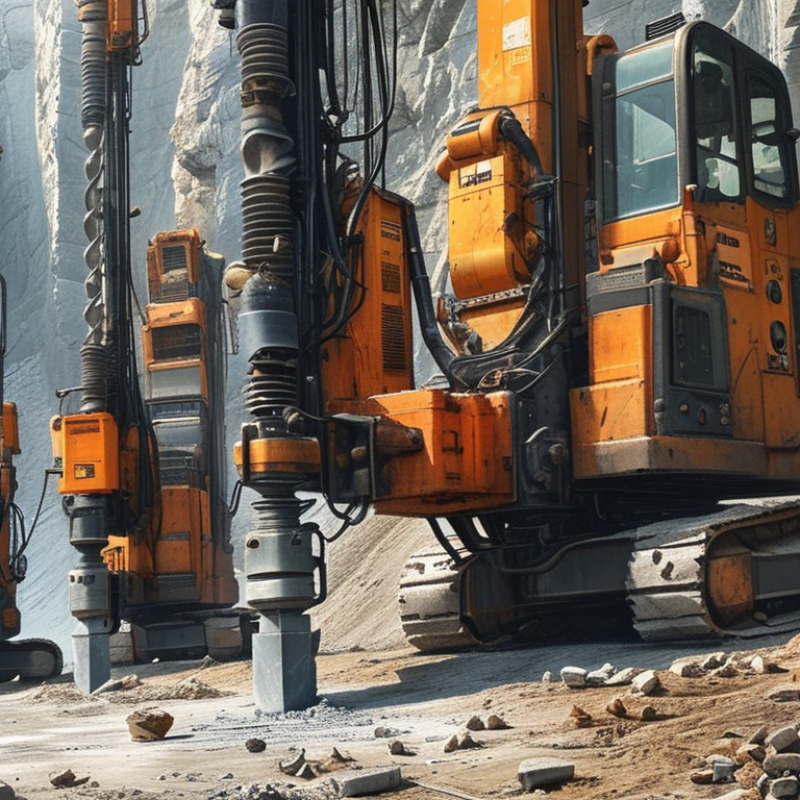
Understanding the Basics of Rock Drilling Rigs
When selecting a rock drilling rig, it's crucial to understand the different types available. Rotational and percussive types dominate the industry. According to the International Society for Rock Mechanics, these rigs vary in efficiency based on geological conditions. For instance, percussive drills are more effective in hard rock formations, while rotary drills perform better in softer materials. Understanding the specific needs of your project can impact efficiency and costs.
Rig size and power are also important factors. A study by the World Bank found that larger rigs often deliver faster penetration rates. However, they can be less maneuverable, especially in tight spaces. Assessing site conditions can help you choose the right size. Access to power sources also influences your options. Many sites may lack sufficient electrical supply, limiting your choices.
Finally, consider the technological features of the rigs. Modern rigs may include automation and improved safety features, enhancing performance and worker safety. However, these innovations may come with higher upfront costs. Weighing the potential return on investment is essential. Remember, the right choice aligns with your project needs and operational capabilities.
How to Choose the Best Rock Drilling Rig for Your Project? - Understanding the Basics of Rock Drilling Rigs
| Rig Type | Drilling Depth (ft) | Weight (lbs) | Engine Power (HP) | Suitable For |
| Air-Driven Rig | 100-300 | 5,000 | 150 | Soft to Medium Rock |
| Hydraulic Rig | 200-700 | 15,000 | 250 | Medium to Hard Rock |
| Diamond Core Rig | 300-1,000 | 25,000 | 300 | Very Hard Rock |
| Portable Rig | 50-150 | 3,000 | 100 | Soft Rock & Soil |
| Water Well Rig | 200-600 | 18,000 | 200 | Various Soil Types |
Evaluating Project Requirements for Drilling
When selecting a rock drilling rig, the project requirements take center stage. Understanding the geological conditions is crucial. For instance, projects in hard rock environments call for rigs with higher torque and penetration rates. In contrast, softer formations often allow for lighter and more efficient equipment. According to industry reports, over 70% of drilling failures are linked to misjudging rock conditions. This highlights the significance of accurate geological assessments before rig selection.
Budget constraints also play a significant role. The cost of a drilling rig can vary widely based on its capabilities. Data suggests that investing in a more robust rig may save costs in the long run. For instance, an efficient rig may reduce downtime by 30%. However, it’s essential to balance capability and initial investment. Overestimating requirements can lead to wasted resources, while underestimating may lead to project delays.
Safety and environmental considerations are additional factors in project evaluations. Compliance with regional regulations is critical. Many reports indicate that mishandling equipment can result in significant financial penalties. Therefore, ensuring proper training for operators is imperative for compliance and safety. These evaluations, though often overlooked, are integral to choosing the best rig for your specific needs. Careful planning can prevent future complications in your drilling project.
Comparing Different Types of Rock Drilling Rigs
Choosing the right rock drilling rig involves understanding various types available. Each type serves different purposes and offers unique advantages. For example, rotary drilling rigs are effective for large projects. They excel in penetrating hard rock formations. Their efficiency makes them a popular choice in construction and mining.
In contrast, percussive drilling rigs are suitable for smaller, more precise tasks. They deliver high-impact energy to break rock, making them ideal for confined spaces. However, they may not be as fast as rotary rigs. Drilling techniques may also differ, affecting the overall performance. Understanding the project requirements helps determine the best fit.
Looking at hydraulic drills, they are versatile and efficient. They can adjust power output based on rock conditions. This feature improves performance and reduces wear on equipment. Yet, hydraulics can be complex, requiring trained personnel. Assessing skill sets among your team is vital. Each option has pros and cons, making it crucial to weigh your specific needs when selecting a rig.
Assessing Rig Specifications and Features
When selecting a rock drilling rig, evaluating the rig's specifications is crucial. Look for the rig's weight and size. A lighter rig is easier to transport but may lack power. Heavier rigs offer stability but can be cumbersome. Consider the type of terrain you will be working on. For rocky, uneven ground, a more robust machine is required.
Examine the rig’s drilling speed and depth penetration capabilities. Faster drilling may be essential for urgent projects, but depth is equally important. Not all rigs can handle extreme depths effectively. Furthermore, assess the power source—diesel engines usually provide more torque. However, electric rigs could be more efficient for less demanding tasks.
It’s also beneficial to consider features like automation and safety systems. Automated rigs reduce human error. Yet relying too much on technology can lead to oversight of operator training needs. Every feature has its advantages and drawbacks. Reflect on your project demands and available resources before finalizing your choice.
Considering Budget and Cost-Effectiveness in Selection
When selecting a rock drilling rig, budget plays a significant role. It's crucial to assess the total cost of ownership. This includes purchase price, maintenance, and operating costs. Cheaper rigs might save money upfront but could lead to higher expenses later. Durability and efficiency affect long-term spending. Reliability is important; an unreliable rig can disrupt your project and increase costs.
Consider the specific needs of your project. A high-performance rig can boost productivity. However, the best choice depends on the soil type and drilling depth. For smaller projects, a compact rig may suffice. It is vital to weigh the cost against performance capabilities. Sometimes, less expensive options lack essential features. This can lead to frustration and project delays.
Look for value rather than just a low price. Analyze warranties and customer support options. A manufacturer with strong support can save time. Seek advice and learn from experts in the field. Engaging with knowledgeable professionals can provide insights. They may offer perspectives on cost-effectiveness that you hadn't considered. Making an informed decision will greatly benefit your project.