How to Choose the Best Pocket Filter Media for Your Needs?
Selecting the right pocket filter media can be a complex task. Many factors influence your choice. Understanding your specific needs is crucial.
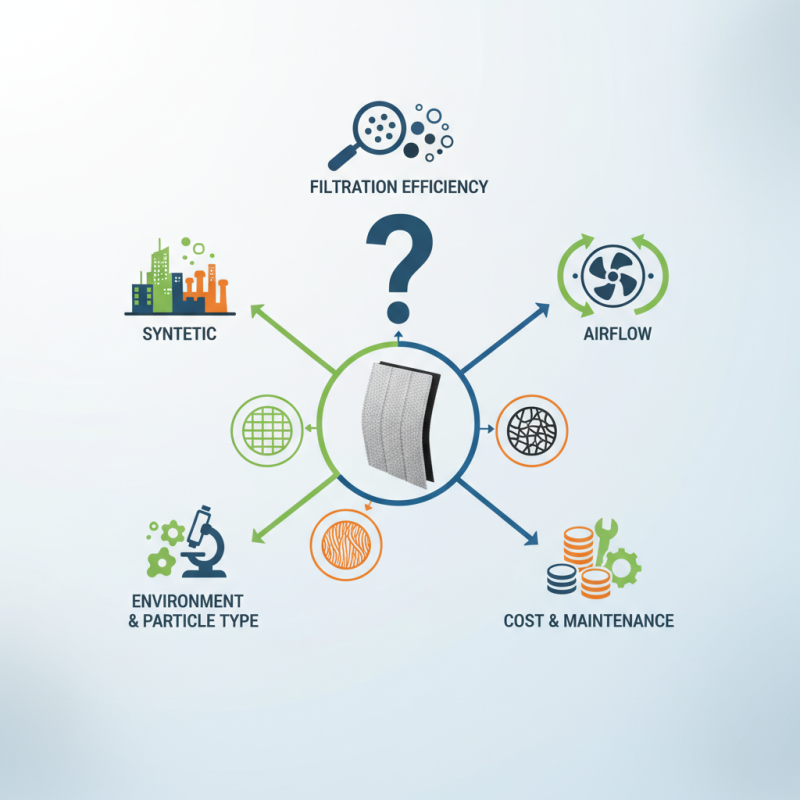
pocket filter media comes in various types and materials. Each option has its pros and cons. The filtration efficiency, airflow, and even cost all matter. Consider where you will use them. Different environments may require different specifications.
Pay attention to the size and type of particles you need to filter. Not every media works for every situation. Sometimes, compromises must be made. Ask yourself if you prioritize efficiency over cost. Reflect on whether maintenance is manageable for you. Your selection should align with real-world use cases.
Understanding Pocket Filter Media: Types and Applications
Pocket filter media are essential components in air filtration systems. They come in different types, each designed for specific applications. The most common types include synthetic, fiberglass, and polyester filters. Synthetic filters are usually more durable and efficient. They capture smaller particles compared to other materials. Fiberglass filters can be less expensive, but their effectiveness may vary.
Choosing the right filter depends on your needs. Consider the environment in which the filter will operate. For industrial settings, high-efficiency filters are preferred. In residential applications, standard filters might suffice. Keep in mind that maintenance is crucial. A neglected filter can reduce airflow and increase energy costs.
People often overlook the importance of filter sizing. An incorrect size can lead to installation issues. This might affect the overall performance of your system. Also, not all filters offer the same longevity. Certain filters may require more frequent replacement than others. It's important to strike a balance between cost and efficiency.
Key Factors to Consider When Choosing Pocket Filter Media
Choosing the right pocket filter media requires careful consideration. Various factors impact your decision. First, identify the application. Are you using it for HVAC systems or industrial equipment? Knowing the environment helps narrow down options.
Next, look at filtration efficiency. What size particles do you need to capture? Higher efficiency ratings usually mean better performance. However, it's crucial to balance this with airflow resistance. Too much resistance can lead to system strain.
**Tip**: Consider your maintenance routine. Some filters require frequent changes, while others last longer. Choose a filter that fits your schedule.
Material is another key factor. Different media materials offer varying levels of strength and durability. Synthetic materials may last longer but could be costlier. Natural fibers often cost less but may not hold up as well.
**Tip**: Take time to read user feedback on different types of filters. Real-world experiences can highlight issues you might not expect.
Don’t forget the size. Filters should fit perfectly in their designated space. An ill-fitting filter can lead to inefficiencies.
Selecting the best pocket filter media involves trade-offs. Take the time to research and reflect on your specific needs.
Evaluating the Efficiency of Pocket Filter Media Options
When evaluating pocket filter media options, several factors play a crucial role in efficiency. First, consider the filter's MERV rating. This rating reflects how well it captures particles. A higher rating indicates better performance. However, you may find that higher efficiency filters can restrict airflow. This trade-off may lead to increased energy costs and machinery strain.
Another factor to scrutinize is the material composition. Various media types exist, such as synthetic fibers and natural materials. Each has its pros and cons. For example, synthetic filters often have better durability but may produce more waste over time. In contrast, natural options can be less effective at trapping smaller particles. It's important to weigh these differences based on your specific air quality needs.
Lastly, maintenance plays a significant role in overall efficiency. Regular inspections can help identify any clogging or wear. Yet, many organizations overlook this aspect. Timely changes can prevent performance drops. Ultimately, understanding the interplay of these factors will help you select the right pocket filter media for your needs.
Efficiency Comparison of Pocket Filter Media Options
Maintenance and Replacement of Pocket Filter Media
Maintaining pocket filter media is crucial for optimal performance. Filters should be inspected regularly. The U.S. Environmental Protection Agency recommends changing filters every 3 to 6 months. This timeframe varies based on air quality and usage. Polluted environments may require more frequent replacements.
When replacing pocket filters, consider the MERV rating. A higher MERV rating means better filtration, but it could strain your HVAC system. According to the American Society of Heating, Refrigerating and Air-Conditioning Engineers, overloading a system can decrease efficiency by 15%. Balancing filtration needs and system capability is essential.
Monitoring pressure drop can also aid in maintenance. If the pressure drop exceeds 1 inch WC, it's a sign that filters need attention. Cleaning procedures can sometimes prolong filter life but may not be sufficient for heavy pollutants. Relying solely on cleaning without regular replacement is a common oversight. Filter longevity is not just about price—it's about overall system health.
Cost Considerations for Pocket Filter Media Selection
Choosing the right pocket filter media can be challenging, especially when considering cost. Different types of filter media come with varying price tags. High-efficiency filters tend to cost more. Yet, they can save money in the long run. The key is to weigh initial costs against potential savings in energy and maintenance.
Consider the application of the filter media. For high-pollution environments, investing in better filters can make sense. A cheaper filter may need frequent replacements. This could lead to higher long-term costs. The type of contaminants also plays a role. Specialized filters may be necessary for certain particles.
Another factor to keep in mind is the filter’s lifespan. Some may seem affordable upfront, but their effectiveness diminishes quickly. If you're replacing filters often, costs will accumulate. Regular maintenance can also be an overlooked expense. Balancing filter efficiency with your budget is crucial. Some filters might exceed your initial budget but prove valuable in overall efficiency.