How to Choose the Best Automatic Car Wash Suppliers?
Choosing the right automatic car wash suppliers is crucial for maintaining a high-quality service. In recent years, the car wash industry has grown significantly. According to a report by IBISWorld, the automatic car wash segment has seen annual growth rates of approximately 3.5% in the past five years. This growth highlights the increasing consumer preference for convenience and efficiency.
Selecting suppliers can be challenging. It requires careful consideration of various factors. Quality of equipment, environmental impact, and service reliability must be prioritized. A report from the International Carwash Association states that nearly 70% of consumers prefer automated services for their car cleaning needs. This statistic emphasizes the demand for reliable suppliers in the automatic car wash market.
Furthermore, many businesses face pitfalls when choosing suppliers. Some overlook essential aspects, such as warranty terms and customer support. It is vital to research and assess potential suppliers thoroughly. Partnering with the right automatic car wash suppliers can make a significant difference in operational efficiency and customer satisfaction. Investing time in this process can lead to long-term benefits.
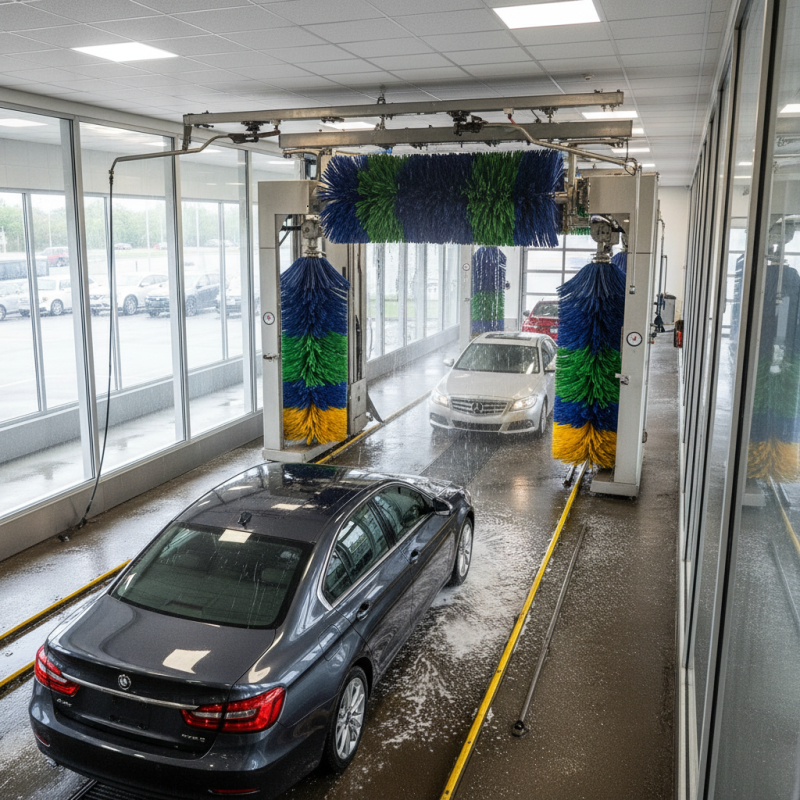
Understanding the Different Types of Automatic Car Wash Systems
When selecting an automatic car wash system, understanding the various types available is crucial. There are primarily three types of systems: touchless, friction, and hybrid. Each has its own advantages and potential drawbacks. Touchless systems use high-pressure water and detergents to clean cars without physical contact. This minimizes the risk of scratches, yet may not remove stubborn dirt effectively, leading to customer dissatisfaction.
Friction systems, on the other hand, utilize soft cloth material for cleaning. Reports indicate that they can clean cars more thoroughly. However, some users express concerns about potential scratches. According to a recent industry survey, about 30% of customers feel that friction systems have a consistent quality of clean. Despite this, marketing often emphasizes their effectiveness, leading to confusion in choice.
Hybrid systems combine both touchless and friction methods. They aim to provide the best of both worlds, optimizing cleaning without excessive wear on vehicle surfaces. Nevertheless, their complexity can sometimes lead to higher maintenance needs. A study from the International Carwash Association reveals that maintaining a balance between cleaning efficiency and vehicle safety is a common challenge for operators. This highlights the importance of researching and assessing each system’s features and limitations before making a decision.
Evaluating Supplier Experience and Industry Reputation
When selecting automatic car wash suppliers, their experience matters significantly. A supplier with years in the industry understands the technical aspects of car washing equipment. They have faced various challenges and developed effective solutions. This practical insight can help in avoiding common pitfalls when setting up or upgrading a washing facility.
Industry reputation also plays a key role. A supplier known for high-quality equipment builds trust among customers and operators. You can gauge their credibility through customer reviews and case studies. Talk to other car wash owners about their experiences and recommendations. Sometimes, a less known supplier might surprise you with their excellent service and reliability.
Consider how well the supplier communicates. Clear communication can reveal their commitment to customer service. If they are slow to respond or unclear in their messaging, think twice. The right choice will not only provide equipment but should also foster a lasting partnership. Your success depends on this collaboration.
Assessing Product Quality and Technology Innovations
When selecting automatic car wash suppliers, assessing product quality and technology innovations is crucial. Recent industry reports reveal that nearly 70% of car wash operators emphasize advanced technology as a key factor in their purchasing decisions. Technologies such as touchless systems and high-pressure water jets are gaining traction. This reflects a growing demand for efficient cleaning solutions that minimize surface contact and reduce risks of damage.
Product durability is another significant consideration. According to a survey conducted by the International Carwash Association, 55% of operators prioritize equipment lifespan and maintenance costs. The challenge lies in balancing upfront investment with long-term reliability. Suppliers need to demonstrate not only the technological prowess but also the robustness of their products. Innovations like eco-friendly detergents and energy-efficient designs are also important, as they align with the industry’s increasing focus on sustainability.
Despite the advancements, some findings suggest gaps between supplier claims and real-world performance. Users often report discrepancies in cleaning results. It's essential for businesses to evaluate supplier reviews and performance metrics rigorously. Engaging with current users of the technology can provide valuable insights. This grassroots research often uncovers hidden flaws or areas for improvement in supplier offerings. Engaging critically with product specifications helps ensure a well-informed choice.
Product Quality Assessment of Automatic Car Wash Suppliers
Comparing Pricing Models and Maintenance Support
When selecting automatic car wash suppliers, it's crucial to evaluate their pricing models alongside their maintenance support. Many businesses mistakenly assume that lower prices guarantee better value. A study by the International Carwash Association revealed that 58% of consumers consider quality service more important than low costs. Thus, a thorough comparison of offerings is essential.
Maintenance support is often overlooked. A reliable supplier should provide comprehensive service plans. These plans can prevent downtime, which directly affects revenue. According to a market report by IBISWorld, car wash businesses that utilize support services see productivity boost by approximately 30%. However, not all suppliers offer robust maintenance options. Some only provide limited support, leading to potential frustrations down the line.
Evaluating these factors is not straightforward. Unforeseen costs may arise, especially if the chosen supplier lacks transparency. For example, additional fees for parts or extra servicing can quickly erode anticipated savings. Assessing the fine print can help avoid these surprises and ensure your chosen supplier aligns with your operational goals.
How to Choose the Best Automatic Car Wash Suppliers? - Comparing Pricing Models and Maintenance Support
| Supplier Type | Pricing Model | Maintenance Support | Customer Rating | Contract Length |
| Full-Service Providers | Subscription-Based | 24/7 Support | 4.8/5 | 2 Years |
| Basic Wash Systems | Pay-Per-Wash | Limited Support | 4.2/5 | 1 Year |
| Automated Systems | One-Time Purchase | 6-Months Warranty | 4.5/5 | N/A |
| Mobile Car Wash Services | Hourly Rate | On-Demand Support | 4.7/5 | N/A |
Reviewing Customer Feedback and Case Studies
When selecting automatic car wash suppliers, customer feedback is invaluable. Engaging with reviews can reveal both strengths and weaknesses. Customers often share their experiences regarding equipment quality, service reliability, and the overall effectiveness of the washes. Look for recurring themes in feedback. If many users mention slow service or inadequate cleaning, it may warrant further investigation.
Case studies can also provide insights. They show how various suppliers have handled real-world challenges. Analyzing these cases can highlight problem areas and solutions. For instance, a supplier that adjusted their processes to streamline efficiency demonstrates adaptability. This adaptability is crucial in a competitive market. On the flip side, consider the suppliers who faced challenges but didn’t improve. Their struggles might indicate a lack of commitment to customer satisfaction.
Consider the reliability aspect as well. Suppliers with a proven track record build trust through consistent performance. However, some may have fluctuating results, which can lead to customer dissatisfaction. It’s essential to assess not just the accolades but also the criticisms. Constructive feedback often leads to better choices. Recognizing both sides of the coin leads to more informed decisions.