How to Choose the Best Safety Padlock for Your Needs?
Choosing the right Safety Padlock is crucial for ensuring security in various environments, from industrial sites to personal use. According to the Occupational Safety and Health Administration (OSHA), improper lockout/tagout procedures account for nearly 10% of workplace fatalities, highlighting the importance of reliable safety padlocks. This emphasizes the need for a thorough selection process when considering safety padlocks.
Many factors influence the effectiveness of a safety padlock, including materials, durability, and locking mechanisms. A survey by the National Safety Council indicates that 30% of workplace accidents could be avoided through proper lockout practices. Thus, investing in the best safety padlock can significantly reduce risks and enhance safety protocols.
It's essential to consider features like weather resistance and key control when selecting your safety padlock. However, many users overlook these aspects, leading to inadequate protection. Evaluating your specific requirements and potential vulnerabilities can guide you in making a more informed decision. Assessing your environment and understanding your safety needs can help avoid regretful choices later.
Understanding the Importance of Safety Padlocks in Safety Management
Safety padlocks play a crucial role in effective safety management. They help prevent unauthorized access to hazardous areas. By securing machinery and equipment, these padlocks protect workers from potential dangers. Employees must understand the significance of proper lockout/tagout procedures. This awareness fosters a culture of safety in the workplace.
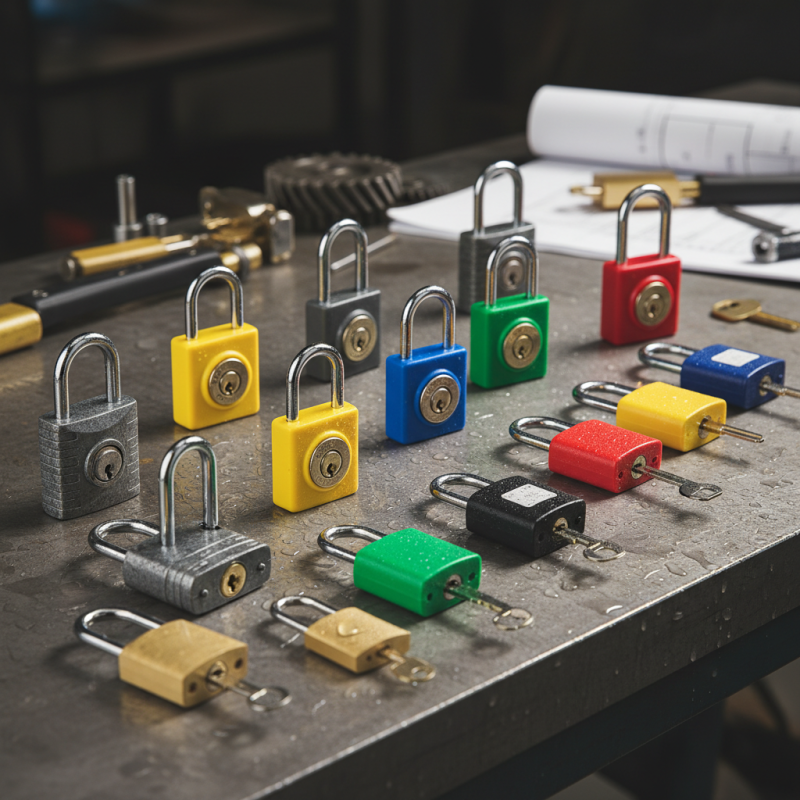
Choosing the right safety padlock requires careful consideration. Look for durable materials like steel or high-quality composite. A reliable padlock should withstand extreme conditions. Different colors and shapes can help workers easily identify locks designated for specific tasks. However, many overlook this detail. An unrecognized lock may lead to accidents and injuries.
Regular training on safety padlock usage is essential. Employees must understand how to use locks effectively. Frequent inspections ensure locks remain functional. A padlock that is damaged can compromise safety. Reflecting on past incidents can offer valuable insights. We often learn more from mistakes than successes.
Key Features to Consider When Selecting a Safety Padlock
When choosing a safety padlock, there are key features that demand attention. Material type is crucial. Steel padlocks are strong and resistant to cutting. Plastic options are lighter, but often lack durability. According to industry reports, steel padlocks reduce the risk of unauthorized access by up to 70%.
Shackle size and type also matter. A longer shackle may fit various applications, but a shorter one could be more secure in tight spaces. Look for shackles with a diameter of at least 9mm, which studies indicate provide increased resistance against tampering.
Here’s a quick tip: always check for a padlock’s security rating. Many padlocks are graded based on their resistance to picking and forced entry. A higher rating usually means better protection.
Always consider the lock mechanism. For instance, combination locks may offer convenience but often lack the security of key-based locks. While they are user-friendly, they can be vulnerable to guessing tactics. Additionally, regular maintenance is essential. Dust and dirt can hinder operation, making the padlock less reliable.
Different Types of Safety Padlocks and Their Uses
When it comes to safety padlocks, understanding the different types and their applications is crucial. Safety padlocks can be grouped into several categories: traditional padlocks, combination locks, and keyed-alike locks. Traditional padlocks are often made of hardened steel, providing robust security for various environments. According to a recent report from the Security Industry Association, these padlocks account for nearly 50% of the market due to their reliability.
Combination locks offer a unique way to control access without keys. They are popular in settings where multiple users need entry, such as schools or gyms. These locks typically have a numerical dial that provides flexibility but also introduces the potential for forgetting the combination, which can lead to lockouts.
Keyed-alike locks, on the other hand, enable multiple locks to be opened with a single key. This feature is beneficial for facilities that require access to many areas by the same personnel. However, there is a risk; losing the master key can compromise all locks of that configuration. The choice of padlock should reflect the specific safety needs of your environment, yet there are trade-offs in convenience and security that should be carefully considered.
Evaluating the Security Ratings and Certifications of Padlocks
When selecting a safety padlock, it’s crucial to evaluate its security ratings and certifications. The American National Standards Institute (ANSI) plays a key role in setting standards for padlock security. Locks are rated on a scale of 1 to 6, with higher numbers indicating better security features. According to a report by the Lock Manufacturers' Association, a padlock rated at level 6 offers substantially higher protection against picking and forced entry.
Certifications should also be a part of your assessment. The Underwriters Laboratories (UL) offers tests that padlocks undergo to ensure they meet stringent safety requirements. UL-rated locks have been proven to withstand various attack methods, which enhances their reliability. Choosing a certified padlock can significantly reduce the risk of theft, providing peace of mind.
Yet, relying solely on ratings may not be sufficient. Different environments may pose unique threats. For instance, a padlock suitable for outdoor use must resist corrosion, while one for an indoor setting might prioritize flexibility and ease of use. Balancing these factors while making a choice allows for a more tailored and effective security solution.
Maintenance Tips for Ensuring Longevity of Your Safety Padlock
Maintaining your safety padlock is crucial for its longevity. Regular maintenance can help ensure its effectiveness and reliability. Start by routinely inspecting the padlock for any signs of wear or damage. Look for rust or corrosion, as these can compromise the lock's functionality. Pay attention to the locking mechanism, ensuring that it operates smoothly without hesitation.
Lubrication is another key aspect of maintenance. Use a graphite-based lubricant specifically designed for locks. Apply it sparingly to the keyhole and the shackle. This will help prevent sticking and prolong the life of the internal components. However, over-lubricating can attract dirt and debris, leading to more problems.
Finally, consider the storage conditions for your safety padlock. Store it in a dry location to avoid moisture buildup. Excessive moisture can lead to rust and deterioration. It's also a good idea to avoid exposing the lock to harsh chemicals or abrasive materials. Reflect on your usage habits. Are there instances where you might be putting the padlock in risky situations? Awareness of such factors can greatly improve the lifespan of your safety padlock.