What Is the Best Vertical Cartoning Machine in 2026?
Choosing the best Vertical Cartoning Machine in 2026 depends on the product, carton, and production environment. A machine that handles small cartons smoothly may struggle with larger formats or frequent changeovers. The right choice is not always the fastest one. It must fit the work as it actually happens on the factory floor.
Start with practical details: carton dimensions, product shape, target output, and available space. Then examine how the machine erects cartons, loads products, and closes each package. Ask suppliers for documented performance figures and a product trial using your own materials. Watch for misfeeds, damaged cartons, difficult adjustments, and long changeover steps. Small problems matter. They can interrupt a shift.
In 2026, useful comparisons should also consider operator access, cleaning routines, maintenance support, and integration with existing equipment. Request clear information about tooling, spare parts, training, and service response times. A polished demonstration is helpful, but it cannot predict every production condition. That deserves a second look. No single model is best for every buyer, and published speed alone is a weak basis for a decision. This guide introduces the factors that help teams compare options and ask better questions before investing. It also recognizes a real limitation: without reliable, current machine data and a hands-on evaluation, any ranking should be treated cautiously. The most suitable choice is the one that meets verified needs consistently—not simply the one with the strongest sales claim.
What a Vertical Cartoning Machine Is and Where It Is Used
What Is the Best Vertical Cartoning Machine in 2026?
What a Vertical Cartoning Machine Is and Where It Is Used
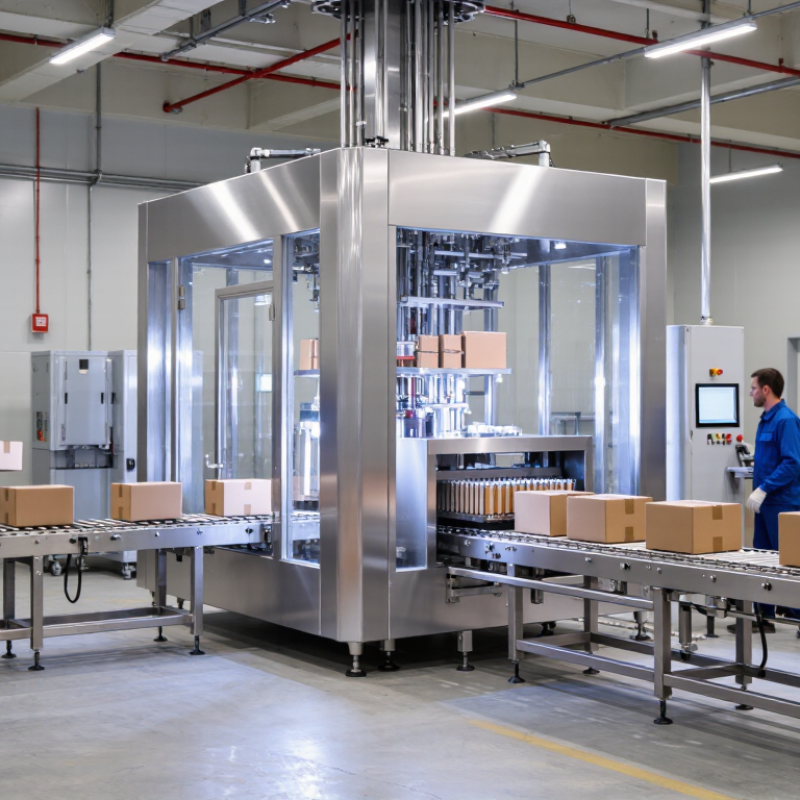
A vertical cartoning machine forms flat carton blanks into upright boxes, loads products from above, and closes the cartons. Depending on its configuration, it can also insert leaflets or add dividers. Operators typically feed products into a loading area while the machine opens each carton and moves it through filling and sealing stations. The vertical layout can suit facilities with limited floor space.
These machines are used in food, cosmetics, household goods, and pharmaceutical packaging. Typical products include jars, bottles, sachets, and small boxed items. A line may use manual loading for varied products or automated feeding for steady, high-volume runs. The right machine depends on carton dimensions, product shape, output targets, and changeover needs—not simply its advertised speed. Real packaging can be less uniform than a sample carton, so trial runs matter.
Tips: Test your actual cartons and products before choosing. Check how quickly operators can adjust guides and clear minor jams. Ask for measured output using your product, not an idealized demonstration. A tidy specification sheet is helpful, but it cannot show every awkward feed or carton that arrives slightly out of square.
What Is the Best Vertical Cartoning Machine in 2026?
What a Vertical Cartoning Machine Is and Where It Is Used
A vertical cartoning machine erects a carton, loads products through an opening at the top, and closes the carton. It is commonly used for products such as blister packs, sachets, tea bags, tubes, and small bottles.
How to read this chart: Bars count the example product formats listed for each industry in this illustration. They do not represent market share, production volume, or machine performance. The best machine depends on the product, carton dimensions, required speed, and feeding and closing requirements.
How Vertical Cartoning Machines Form, Fill, and Close Cartons
How a vertical cartoning machine forms, fills, and closes cartons matters more than its frame. Flat carton blanks sit in a magazine, where a pickup mechanism separates one blank at a time. Suction cups open it, and guides square the carton into shape. Watch the corners. A poorly opened carton can jam before filling even begins.
The product then enters through the open top, by hand, feeder, or measured dosing system. The right method depends on product size, fragility, and required output. Sensors can check carton position and confirm that a product is present, but they cannot fix an inconsistent upstream feed. Small adjustments matter. A few millimeters can affect reliable loading.
After filling, folding rails tuck the top flaps inward. The machine closes them with a tuck, adhesive, or another suitable method. Operators should check seal quality and carton appearance during setup, not only at the end of a run. A clean-looking carton is not always a securely closed one. It is tempting to compare machines by speed alone, but changeover time, access for cleaning, and carton variability deserve equal attention. Even a well-specified machine may need careful tuning on a real production line. That part is easy to underestimate.
Which Features Matter When Comparing Machines in 2026
When comparing vertical cartoning machines in 2026, look beyond the headline speed. Ask suppliers to demonstrate your actual carton, product, and closure style. A machine may run quickly with one carton but slow down during changeovers or with delicate products. Check the supported carton dimensions, feeding method, reject detection, and access to glue or tuck-in closing stations. Small details count.
Operator needs matter, too. The 2024 workforce study by Deloitte and The Manufacturing Institute projected 3.8 million U.S. manufacturing jobs could be needed by 2033, with 1.9 million potentially unfilled. That makes clear controls, guided fault messages, and tool-light changeovers practical selection criteria, not luxuries.
Request a timed changeover demonstration and observe how operators clear a jam. Then review guarding, cleaning access, and integration with upstream filling and downstream case packing. A polished specification sheet can still hide awkward maintenance. Compare verified performance on your own product, not just the fastest quoted cycle rate.
How Production Needs Determine the Best Machine for Each Facility
A vertical cartoning machine is “best” only when it fits the work a facility actually runs. A site packing one stable carton size may value steady output and a compact footprint. A plant switching between several carton dimensions needs accessible change parts and settings operators can repeat. Small details matter. Watch how cartons are erected, how products enter, and whether filled cartons close cleanly. A few misfeeds during a short demonstration may become hours of intervention across a long shift.
Start with production records, not a headline speed. Compare the machine’s rated output with the facility’s typical run rate, product dimensions, carton styles, and planned changeover frequency. Then check how it connects to upstream feeding and downstream inspection or case packing. Run a real trial. Use the facility’s own products and cartons, including the awkward sizes that are easy to overlook. Ask operators and maintenance staff to assess access, cleaning, jam recovery, and spare-part needs. Their feedback can expose practical weaknesses a specification sheet will miss. A neat spreadsheet can still hide a poor fit. Allow room for expected growth, but avoid paying for capacity the line cannot feed. The right choice is sometimes less obvious than the fastest machine on paper.
How to Evaluate Leading Vertical Cartoning Machine Options in 2026
In 2026, the best vertical cartoning machine is the one that handles your cartons and products reliably, not simply the one with the highest advertised speed. Evaluate each option against your actual carton dimensions, product weight, and target output. Ask suppliers to run samples using your materials. Watch how cartons open, how products enter, and whether closures stay neat.
Test the machine at realistic operating speeds. A short demonstration may hide jams that appear during longer runs. Check changeover time by switching between two carton sizes, and note which adjustments require tools. Review reject accuracy, sensor placement, and access to routine cleaning points. Small details matter. A specification sheet can still mislead; I would also ask for operating data from a comparable production setup.
Consider how the cartoner connects with upstream filling and downstream case packing. Confirm available floor space, electrical requirements, guarding, and operator access before installation. Ask how faults are recorded and which spare parts need to be kept nearby. Compare maintenance support and total operating costs, not just purchase prices. Leave room for uncertainty: product variation and operator habits can affect results, even after a successful test.