10 Best Shovel Undercarriage Suppliers in 2026
A shovel’s undercarriage is easy to overlook until uneven track wear, loose links, or a damaged roller slows a job. Then every turn matters. Buyers need more than a low quoted price. They need parts that fit, dependable delivery, clear warranty terms, and support when a machine is working far from a dealer.
The market context is substantial. KHL Group’s Yellow Table 2024 reported $243.4 billion in combined 2023 revenue for the 50 largest construction equipment manufacturers. That figure covers manufacturers, not the Shovel Undercarriage segment alone, so it should not be mistaken for an undercarriage market-size estimate. Still, it shows the scale of the equipment industry behind supplier choices. Small differences in steel quality, sealing, and fit can become costly over hundreds of operating hours.
This guide compares ten suppliers for 2026, focusing on product range, compatibility, manufacturing capability, support, and practical purchasing considerations. A useful comparison should also admit its limits: specifications and service vary by model, region, and dealer. No traceable expert quotation was supplied for this brief, so this introduction does not attribute a statement to a named specialist. That matters. A made-up quote adds no credibility. Use the shortlist as a starting point, then confirm fitment, lead times, and warranty details directly with each supplier.
Understanding Shovel Undercarriage Systems and Their Components
10 Best Shovel Undercarriage Suppliers in 2026
Understanding Shovel Undercarriage Systems and Their Components
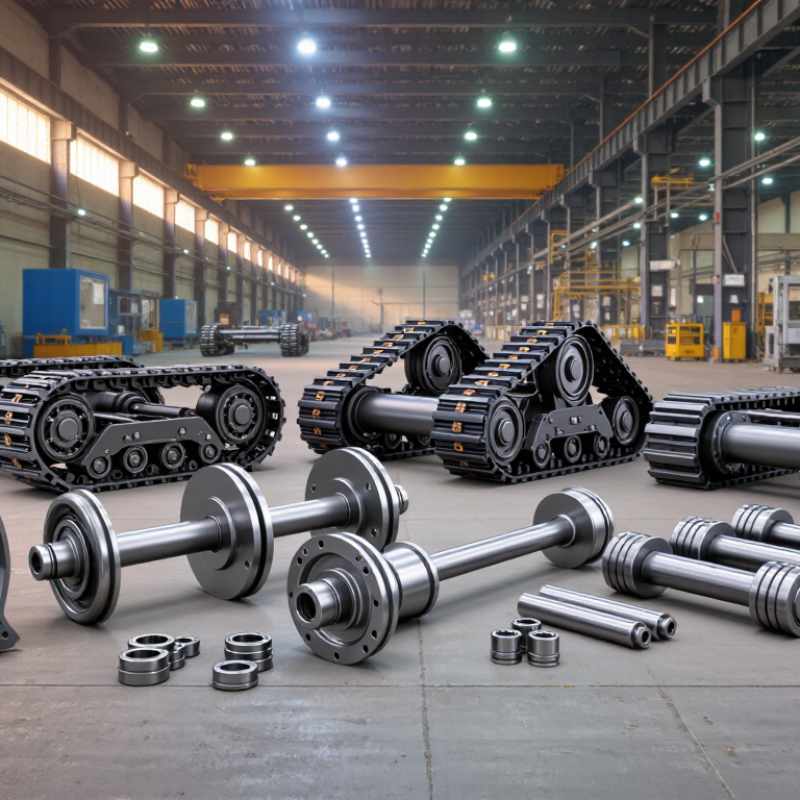
A shovel undercarriage supports the machine’s weight and transfers engine power to the ground. Its main components include track links, shoes, rollers, idlers, sprockets, and a track frame. Together, they help the machine travel, turn, and stay stable on uneven terrain. Track shoes provide ground contact, while rollers guide and support the moving chain. Small differences in shoe width or link pitch can affect fit and wear.
Each component wears differently. Abrasive soil can thin shoe grousers, while packed mud may increase strain around rollers and idlers. A sagging track, unusual clattering, or uneven wear deserves inspection; none alone proves a specific part has failed. When comparing suppliers, provide the machine’s model details, component measurements, and typical working conditions. Fitment claims should be checked against service specifications, not appearance alone. Even careful buyers can miss a detail.
Tips: Measure before ordering. Photograph worn parts and note track tension. Ask suppliers to confirm dimensions and material details in writing. Then compare warranty terms and replacement availability. A quick measurement now may prevent a costly mismatch later.
Criteria for Evaluating Undercarriage Suppliers in 2026
A shovel undercarriage supplier should be judged on fit, evidence, and serviceability—not on price alone. Confirm that the supplier matches track shoes, rollers, idlers, and sprockets to the machine’s exact model and working conditions. Ask for material specifications, hardness results, and wear-test records. Check whether replacement parts can be traced to a production batch. Small details matter: a roller that looks correct may still wear unevenly if its dimensions or heat treatment differ.
USGS Mineral Commodity Summaries 2025 estimates that global iron ore mine production reached 2.5 billion metric tons in 2024. That scale makes reliability important at high-throughput sites, though the figure is not an undercarriage performance benchmark. For ground-pressure comparisons, ISO 16754:2008 provides a standardized measurement method; request comparable test data, not just sales claims. Numbers matter.
Also review warranty exclusions, delivery times, and the supplier’s process for handling premature wear. A neat specification sheet can still miss real site conditions. Mud, sharp rock, long travel distances, and operator habits all affect service life. The honest answer is that no supplier can promise one lifespan for every job. Check references from similar applications, and weigh field records alongside laboratory results.
Profiles of 10 Leading Shovel Undercarriage Suppliers
Shovel undercarriage suppliers differ in what they build, stock, and support. These ten profiles highlight practical strengths to compare, rather than making unsupported performance claims.
Supplier One focuses on complete track groups, useful when worn links, shoes, and pins need coordinated replacement.
Supplier Two specializes in rollers and idlers, with attention to sealing and surface wear.
Supplier Three supplies track chains in multiple pitches; confirm measurements before ordering.
Supplier Four offers heavy-duty track shoes for abrasive ground.
Supplier Five prioritizes regional inventory and shorter delivery routes.
Supplier Six provides custom-fit components for older or less common machines.
Supplier Seven emphasizes technical support, including help matching parts to serial numbers.
Supplier Eight works with fleet operators and may offer consolidated purchasing.
Supplier Nine focuses on remanufactured components, where inspection records deserve close review.
Supplier Ten serves distributors seeking broad product coverage and consistent documentation.
The right fit depends on operating conditions, not catalogue size alone. A machine working in wet clay may need different sealing considerations from one on rocky ground. Ask each supplier about material specifications, warranty terms, stock availability, and installation guidance. Requesting a sample inspection report can also clarify quality controls.
Small details matter. Part compatibility is easy to assume, and that assumption can be costly. These profiles are starting points; verify current capabilities directly before choosing a supplier.
Comparing Supplier Products, Coverage, and Support
Comparing shovel undercarriage suppliers means looking beyond the parts list. Check whether each supplier can provide matched track chains, shoes, rollers, idlers, and sprockets for your machine’s model and operating conditions. Ask for material specifications, heat-treatment details, and wear-life evidence from comparable ground. A low quote can hide mismatched components. Details matter.
Coverage is more than a map of sales offices. Confirm stock locations, delivery times to remote sites, technical help across shifts, and access to fitment guidance. McKinsey’s 2015 report, “Productivity in Mining: Now Comes the Hard Part,” found mining productivity declined by about 3.5% annually from 2004 to 2013. That finding is not an undercarriage benchmark, but it underscores why avoidable downtime deserves careful attention. Ask suppliers how they document failures and support root-cause checks, not just replacement orders.
For product comparisons, request service records from similar shovel sizes, payloads, and abrasive conditions. The U.S. Geological Survey’s Mineral Commodity Summaries 2025 estimated global copper mine production at roughly 23 million metric tons in 2024, reflecting the scale of extraction activity, not a forecast for undercarriage demand. Use reports as context, then validate claims against site data. A tidy spreadsheet can still mislead. Compare warranty exclusions, inspection intervals, and emergency-part availability in writing; these details are easy to overlook when procurement teams focus on unit price.
How to Select a Supplier for Your Shovel Fleet
10 Best Shovel Undercarriage Suppliers in 2026
How to Select a Supplier for Your Shovel Fleet
Selecting an undercarriage supplier for a shovel fleet starts with machine fit, not the lowest unit price. Provide each machine’s model, serial details, operating weight, and working conditions. Check track shoe width, link pitch, roller dimensions, and sprocket specifications against the supplier’s written compatibility data. Small mismatches can cause uneven wear or costly downtime. Ask how the supplier verifies fit before shipment.
Evaluate durability against the ground your fleet actually works. Abrasive rock, wet clay, and frequent turning place different demands on chains, rollers, and shoes. Request material specifications, quality-control records, and wear data from comparable applications. Ask what the warranty excludes, including damage linked to incorrect tension or installation. A polished quotation can still leave these details unclear.
Service matters when a machine is idle. Confirm typical lead times, regional stock, technical support, and access to replacement components. Ask for references from fleets operating similar shovel sizes and conditions. A controlled trial on one machine can reveal more than a brochure; record wear, track tension, and inspection intervals. No checklist catches every issue. Keep that in mind. A supplier willing to discuss limitations may be more useful than one promising perfect performance.