Industrial Machinery Company

What Is the Best External Consumer Unit in 2026?

Choosing the best External Consumer Unit in 2026 is not just a matter of price or appearance. It must suit the installation, withstand its location, and provide appropriate protection for the circuits it serves. A unit mounted outside faces rain, temperature changes, dust, and possible physical damage. Its enclosure, cable entries, circuit capacity, and installation quality all deserve careful attention.

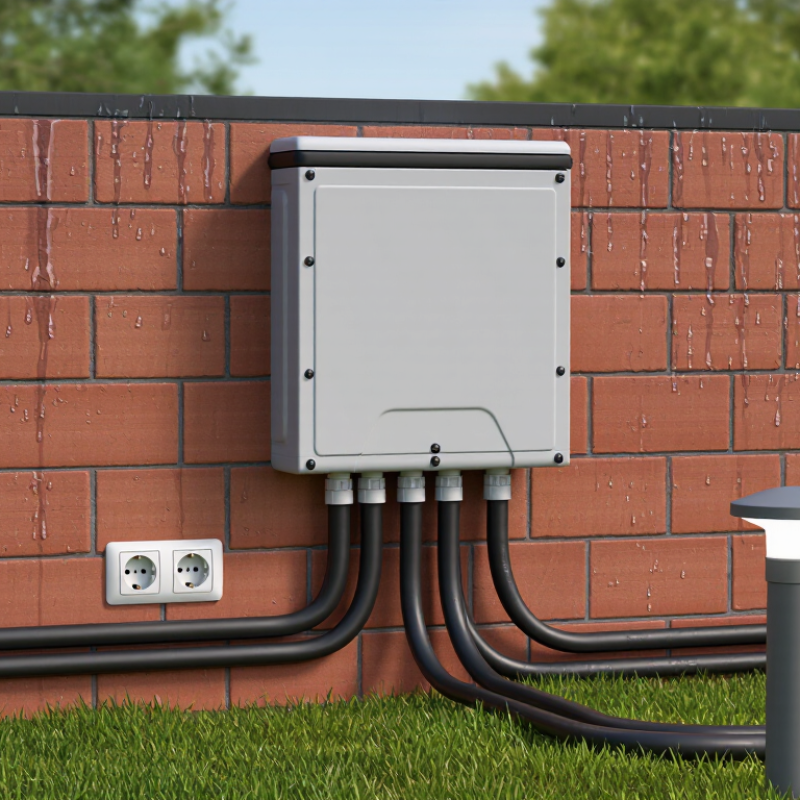
Picture a damp garden wall, exposed conduit, and a small unit expected to protect lighting and outdoor sockets. The right choice depends on the actual site and the electrician’s assessment—not a product ranking alone. Buyers should check the enclosure’s stated protection rating, available ways, device compatibility, and room for future circuits. Labels and clear documentation matter, too. Small details count.

There is no single best model for every property. A feature-rich unit may be unnecessary in one setting, while a cheaper option may not meet another installation’s needs. This guide compares practical selection factors and explains which questions to ask a qualified electrician. One limitation: no source articles were supplied, so I cannot verify a named expert’s quotation. I have not invented one. That matters.
What Is the Best External Consumer Unit in 2026?

What an External Consumer Unit Is and How It Works

What Is the Best External Consumer Unit in 2026?

An external consumer unit is a weather-resistant electrical distribution board mounted outside a building. It receives power from the supply and divides it among circuits, such as garden lighting, an outbuilding, or an outdoor socket. Inside, a main switch can disconnect the board, while protective devices monitor individual circuits.

Here’s the basic idea.
Each circuit carries power through its own protective device. If a fault causes excessive current, a miniature circuit breaker may trip. A residual-current device can also disconnect power when it detects leakage, helping reduce electric-shock risk. Some units combine these functions in individual devices. The enclosure, sealed cable entries, and suitable components help protect connections from rain, dust, and temperature changes. They do not make poor installation safe.

Details matter. A unit exposed to direct sun or wind-driven rain faces different conditions from one beneath a sheltered wall. An electrician should assess the supply, circuit demand, earthing, cable routes, and required protection before selecting or installing equipment. That assessment is easy to overlook. An outdoor-rated box alone cannot prevent condensation, loose connections, or an overloaded circuit. The right setup depends on the building and its use, so a qualified professional should verify the design and installation against applicable local requirements.

Key Features to Compare in External Consumer Units

When comparing external consumer units, start with the installation conditions. Check the enclosure’s IP rating, UV resistance, gasket quality, and cable-entry design. Rain can reach poorly sealed joints, while direct sunlight can age some plastics. A rating alone does not prove the unit will suit every wall or exposure. Looks matter. I would not choose by appearance alone; that is an easy mistake.

Next, compare protective devices and available ways. RCDs or RCBOs help protect circuits against fault currents, while surge protection may be relevant where electrical equipment is sensitive. Leave spare capacity for future circuits, but do not assume unused ways make an installation expandable without further checks. The National Fire Protection Association’s Electrical Fires report estimated 46,700 U.S. home fires each year from electrical failures or malfunctions during 2015–2019. That figure covers more than consumer units, but it shows why protection and sound installation deserve attention. It is not a prediction for one property.

Ask a qualified electrician to assess the expected circuit load, mounting position, and exposure before selecting an enclosure. Compare clear internal labeling, secure terminals, and ease of inspection too. These details are less visible. I still find weather protection easy to overrate: a good enclosure cannot compensate for poor cable entries or installation.

How to Match a Unit to Your Property and Electrical Needs

The best external consumer unit in 2026 is the one that suits your property, not simply the largest model available. Start with its location: a shaded wall beneath an eave faces different conditions from a fence exposed to driving rain and afternoon sun. Ask an electrician to assess the enclosure’s weather protection, UV resistance, and corrosion resistance for that exact spot. Small details matter.

Next, match the unit to your circuits and likely changes. A home with an outdoor office, garden lighting, or a future heat pump may need different capacity from a small flat. Have a qualified electrician check the circuit schedule, protective devices, earthing, and available spare ways. The enclosure must also remain accessible for safe inspection and maintenance. It is tempting to buy extra capacity “just in case,” but unused space is not a substitute for a sound design. Requirements vary by property and location.

Tips: Photograph the proposed mounting area and list outdoor appliances before requesting a quote. Ask what protection each circuit needs and how the enclosure will be sealed after installation. Don’t choose from appearance alone. A neat box can still be the wrong fit. Have installation and testing handled by a qualified electrician.

Safety Standards and Professional Installation Requirements

Choosing an external consumer unit is less about appearance than protection, correct rating, and safe installation. NFPA’s Home Fires Involving Electrical Distribution or Lighting Equipment report estimates an annual average of 32,000 US home fires involving this equipment from 2015 to 2019. The figures are not UK-specific, but they show why loose connections, damaged cables, and poor enclosure choices deserve attention. Small details matter. In the UK, the installer should select equipment suitable for its environment and compliant with the relevant product standard, BS EN 61439-3. Check the enclosure’s IP rating against likely rain, dust, and hose exposure; “outdoor” alone does not describe every site.

Installation should follow the current edition of BS 7671 and applicable Building Regulations, including Part P where relevant. A qualified electrician should assess circuit demand, earthing, cable entries, and protective devices before fitting the unit. RCD protection rated at 30 mA is required for specified circuits and conditions; it is not a substitute for sound wiring or correct overcurrent protection. The electrician should inspect, test, and provide the appropriate installation documentation. I would not choose a unit by enclosure rating alone: direct afternoon sun, condensation, or a cable gland facing upward can still create problems. That detail is easy to overlook. NFPA’s US data also cannot predict the risk at a particular UK property, so a site-specific assessment remains important.

External Consumer Unit IP Ratings: Protection Levels

IP code digits are protection classifications, not a linear measure of performance. Under IEC 60529, the first digit describes protection against access and solid objects; the second describes water protection. For example, IP65 is dust-tight and protected against water jets, while IP67 adds protection against temporary immersion under specified test conditions.

No single IP rating is best for every outdoor location. Choose an enclosure suited to the actual exposure and the manufacturer’s instructions. In the UK, have a qualified electrician assess the installation and ensure it complies with applicable requirements, including BS 7671, with appropriate circuit protection, inspection and testing.

How to Inspect and Maintain an External Consumer Unit

What Is the Best External Consumer Unit in 2026?
How to Inspect and Maintain an External Consumer Unit

An external consumer unit faces rain, sunlight, grit, and temperature swings. Inspect it in daylight, with dry hands, and never remove its cover. Look for cracks, faded seals, rust around screws, loose cable glands, water marks, or insect nests. Check that the door closes firmly and the area stays clear of stored items. Small signs matter.

NFPA’s Home Structure Fires Involving Electrical Distribution or Lighting Equipment analysis recorded an average of 31,647 related home fires annually in the United States from 2015 to 2019. This figure does not isolate outdoor units, but it underlines why visible damage should not be ignored. Use the RCD test button at the interval stated on the unit or in its instructions. Many UK safety guides recommend testing every three months. If the device does not trip or reset as expected, contact a qualified electrician.

Do not spray the enclosure with a hose or attempt internal repairs. A visual check cannot reveal loose terminals, overheating inside, or a failed protective device. That is an important limitation. Arrange a professional inspection if you notice persistent condensation, a burning smell, buzzing, unusual warmth, or repeated tripping. Keep a simple dated record of checks and any repairs; it is easy to forget when a problem first appeared.

What Is the Best External Consumer Unit in 2026? - How to Inspect and Maintain an External Consumer Unit

Decision or inspection area What to look for Practical guidance
Choosing the right unit A unit suited to the location, electrical installation, circuit count and expected future needs. There is no single best unit for every property. Ask a qualified electrician to assess the installation and select equipment appropriate to its environment and design.
Weather protection An enclosure with an ingress-protection rating appropriate to its actual exposure to rain, dust and water. Check the manufacturer’s stated IP rating and installation instructions. An IP rating describes tested protection against specified ingress; it does not, by itself, guarantee suitability for every outdoor location.
Materials and durability Enclosure materials and seals suitable for outdoor temperature changes, sunlight and the risk of corrosion. Look for visible damage, brittle or discoloured parts, rust, loose seals or signs of water entry. Have deterioration assessed rather than attempting a repair yourself.
Location and mounting A secure, stable installation with the covers and cable entries correctly fitted and access kept clear. Check from the outside for movement, impact damage, gaps or displaced covers. Installation location and mounting should be assessed by an electrician against the site conditions and applicable wiring requirements.
RCD or RCBO protection Protective devices appropriate to the circuits and the design of the installation. Ask an electrician to confirm the protection provided and whether it is appropriate for the circuits served. The test button is for checking the device’s operation; follow its instructions and the manufacturer’s recommended test interval.
Routine visual checks Look for cracks, missing screws, damaged cable entries, condensation, staining, corrosion or unusual heat marks on the exterior. Inspect without removing the cover. If you notice damage, water ingress, a burning smell, buzzing or repeated tripping, keep clear and contact a qualified electrician promptly.
Safe cleaning A clean exterior and unobstructed access, without exposing electrical parts to moisture. Only clean the outside with a dry or slightly damp cloth when it is safe to do so. Never hose the unit, use solvents, or open the enclosure to clean inside.
Testing and electrical work Inspection, testing, repairs and changes carried out by a suitably qualified electrician. Do not remove the cover, tighten terminals, replace protective devices or work on wiring yourself. Electrical checks and any required repairs should follow applicable local regulations and wiring standards.
Records and maintenance Keep relevant installation, inspection and repair records, along with the unit’s instructions where available. Arrange professional inspection when the unit is damaged, shows signs of water entry, trips repeatedly, or the installation is altered. An electrician can advise whether a wider inspection or testing is needed.