Industrial Machinery Company

China Best Electric Winch Manufacturers and Suppliers?

Choosing an Electric Winch manufacturer or supplier in China involves more than comparing prices. Buyers need to match the winch to its real working conditions, from load and duty cycle to mounting space and power supply. A unit used on a workshop floor may face very different demands from one installed on a recovery vehicle or industrial system. Small details matter.

A headline capacity rating does not tell the whole story. Check the rated line pull, rope or cable specifications, braking system, motor data, control options, and protection against dust or moisture. Ask whether test records, product documentation, and spare parts are available. These checks help turn a broad supplier search into a useful shortlist. A polished catalog is not proof of consistent production. That is worth remembering.

This guide explores how to assess Chinese Electric Winch manufacturers and suppliers, compare product ranges, and prepare questions before requesting a quotation. It also considers communication, customization, quality checks, and after-sales support. Clear answers about inspection methods and delivery terms can reveal how a supplier handles everyday business, not just sales claims. Requesting samples or a factory audit may help, though neither guarantees a perfect purchase. There is no single best supplier for every buyer. The right choice depends on application, specifications, budget, and the evidence each company can provide.
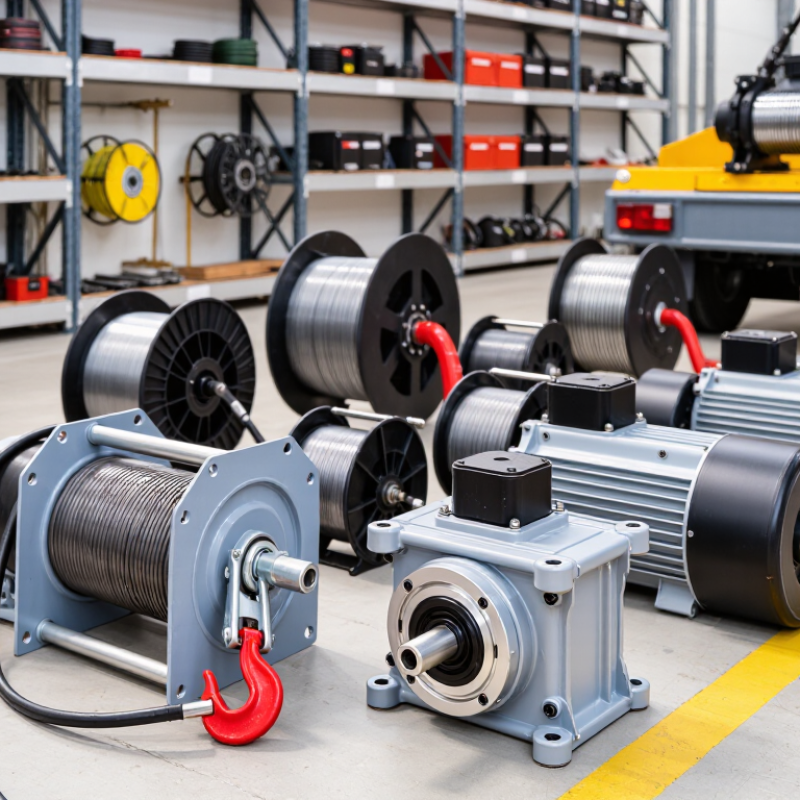
China Best Electric Winch Manufacturers and Suppliers?

What Is an Electric Winch and How Does It Work?

What Is an Electric Winch and How Does It Work?

An electric winch uses a motor to pull or position a load with a wire rope or synthetic line. Power turns the motor, and a gearbox trades speed for pulling force. The rotating drum winds in the line; a brake helps hold the load when the motor stops. Simple in principle. A winch is not a crane, and its rating does not make every anchor point safe.

The International Energy Agency’s Energy Efficiency 2016 report estimates that motor-driven systems use about 53% of global electricity. That figure covers many industrial applications, not winches alone, but it shows why motor selection and operating duty matter. For a winch, check rated line pull, duty cycle, rope condition, and mounting strength. Pulling capacity can change as rope builds up on the drum. This detail is easy to overlook.

Tips: Keep the rope aligned and use the winch’s specified load rating. Secure the anchor before pulling, and stand clear of a tensioned line. A quick check can prevent a costly mistake. Still, ratings and real working conditions do not always match perfectly, so leave a safety margin.

Types of Electric Winches Available in China

China’s electric winch market includes several practical types, selected by power supply, working environment, and mounting method. Vehicle winches commonly use 12- or 24-volt DC systems. They suit recovery work and are often mounted on a front bumper or a portable frame. A synthetic rope feels lighter to handle, while a steel cable may better tolerate rough contact, though it needs careful inspection for broken strands.

AC electric winches are common in workshops, warehouses, and fixed lifting stations. They connect to a mains supply and can support repeated operation when correctly matched to the duty cycle. Compact portable models are useful for occasional pulling, but their smaller frames and limited cooling can restrict continuous use. Check the rated line pull, rope length, and mounting strength together. A high capacity figure alone tells little.

Marine and construction winches are designed for demanding sites, where moisture, dust, or frequent starts may affect performance. Enclosure ratings, braking systems, and overload protection deserve close review. In practice, specifications on paper can still mislead; installation quality matters just as much. Measure the available space, confirm the power supply, and consider how operators will inspect the rope before choosing a type.

Key Criteria for Evaluating Chinese Winch Manufacturers and Suppliers

When comparing Chinese electric winch manufacturers and suppliers, look beyond price and catalog photos. Ask for rated line pull, rope speed, duty cycle, drum capacity, and supply voltage in writing. These figures must match the load and operating pattern, not just a brief test. Check whether the brake holds a suspended load during a power interruption. Important detail. Request drawings and material specifications for the drum, gears, and housing. For outdoor use, confirm enclosure protection and corrosion treatment with supporting test records. A polished PDF can still leave gaps.

Reliable suppliers can explain how each winch is assembled and inspected. Ask for an inspection report showing brake tests, electrical checks, and measured line pull. Verify whether capacity refers to the first rope layer, since pulling force can decrease as rope builds up. Discuss lead time, spare parts, warranty coverage, and technical support after shipment. Answers should be specific, with realistic dates and clear exclusions. If possible, review the factory process or arrange an independent inspection before production release. This takes effort. Smaller suppliers may communicate well but have inconsistent documentation; treat that as a risk to resolve, not an automatic rejection. Spec sheets can look alike, so practical evidence matters more.

How to Compare Leading Electric Winch Suppliers in China

Comparing electric winch suppliers in China starts with matching specifications, not headline capacity. Ask each supplier for rated pulling force, line speed under load, duty cycle, drum capacity, and motor data. Compare figures under the same operating conditions; otherwise, a fast-looking quote may not describe the job you need. Numbers matter.

Then examine evidence behind the specifications. Request test records, material details, wiring diagrams, and clear information about braking and thermal protection. Ask how performance changes during repeated pulls, not just a single test. A detailed brochure helps, but it cannot replace traceable test results. Ask for proof. If documents are vague or inconsistent, treat that as a reason to ask more questions.

Supplier support deserves equal weight. Check typical production time, spare-part availability, warranty terms, and how technical questions are handled after delivery. A video call or factory audit can help confirm assembly and inspection procedures. Compare written quotations line by line, including packaging and any requested customization. A checklist is useful, though it can miss how a winch behaves after repeated use. I may give documentation too much weight, but clear records make differences easier to verify. The best comparison is one based on matching loads, realistic use, and support you can actually reach.

Steps for Verifying a Supplier and Placing an Order

When comparing electric winch suppliers in China, turn the lifting job into a written specification. State rated line pull, duty cycle, rope length, operating voltage, brake type, and working environment. Ask for load-test records, wiring diagrams, inspection procedures, and component traceability. Small details matter. A winch rated for a short pull may overheat during repeated cycles.

Verify that the supplier’s test setup matches your requirements, not just its product catalogue. Request recent test reports, clear photos of the production line, and a live demonstration under a stated load. The U.S. Bureau of Labor Statistics recorded 5,283 fatal work injuries in 2023; this broad figure is not winch-specific, but it underscores why lifting equipment needs careful review. Ask how overload protection and emergency stopping are tested. Check the answers against the documents.

Before placing an order, approve a sample or pre-shipment inspection plan. Put the model, configuration, acceptance criteria, packaging, delivery date, and payment milestones in the purchase contract. Confirm who handles export packing and freight, and ask for a parts list and maintenance schedule. Keep email records of every approved change. I have seen one small voltage mismatch delay commissioning; it is easy to overlook. Recheck the nameplate before shipment.