Industrial Machinery Company

10 Best Canned Motor Pump Manufacturers in 2026

Choosing a Canned Motor Pump is a decision about containment, reliability, and fit—not just brand recognition. The motor and pump share a sealed unit, eliminating the conventional shaft seal and reducing a common leakage path. That design can suit demanding services, but it still requires careful attention to fluid properties, temperature, pressure, and operating range.

The market context is substantial. Grand View Research estimated the global industrial pump market at USD 62.6 billion in 2023 and projected a 4.9% compound annual growth rate through 2030. This broader category includes many pump types; it should not be mistaken for a canned-motor-pump market estimate. Still, it signals why buyers need to compare engineering capability, service support, and lifecycle costs—not catalogue claims alone.

A reliable shortlist starts with the details on the nameplate. Check the duty point, motor protection, materials, and availability of technical support. Small mismatches matter.

Machinery reliability authority Heinz P. Bloch is relevant to this discussion, but no verifiable, pump-specific quotation from him was provided for this introduction. Rather than invent one, this guide applies a practical principle consistent with reliability engineering: “Select for the real operating conditions, not the brochure headline.” The following manufacturers are assessed with that distinction in mind. Their product ranges, documentation, and support networks can differ by region, so buyers should confirm current specifications directly before making a selection.
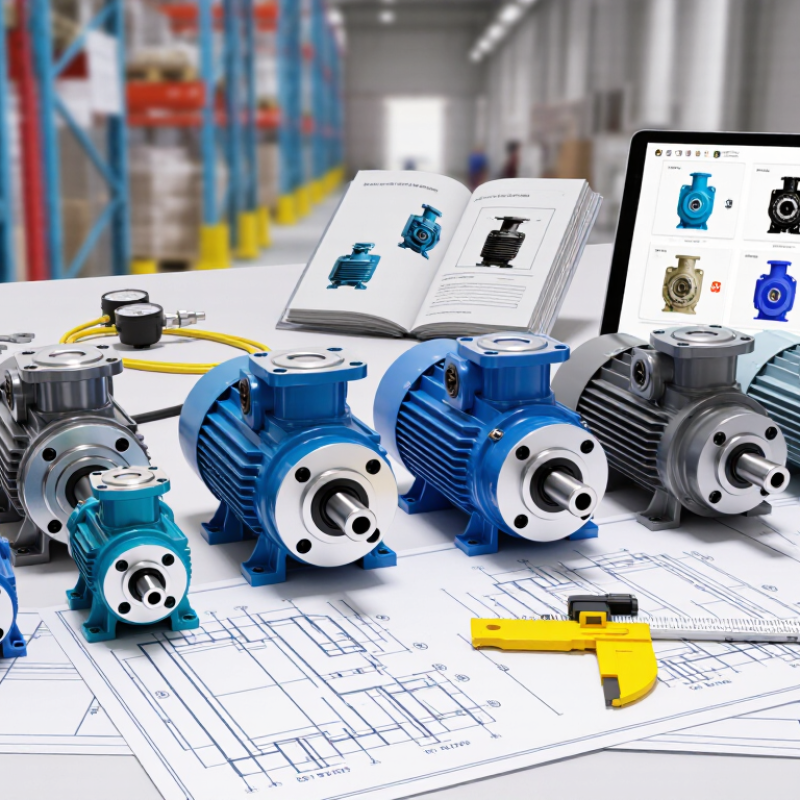
10 Best Canned Motor Pump Manufacturers in 2026

What Canned Motor Pumps Are and How They Operate

Canned motor pumps combine a centrifugal pump and an electric motor in one sealed unit. The motor rotor turns inside the pumped liquid, while a thin containment can separates it from the stator windings. This design removes the conventional shaft seal, a common leakage point. It does not make every failure impossible; materials, operating conditions, and maintenance still matter.

Here is how it works. Electricity energizes the stator, creating a rotating magnetic field that drives the rotor and impeller. The impeller adds energy to the liquid, moving it through the discharge line. In many designs, a small portion of the fluid lubricates and cools the internal bearings. That detail is easy to overlook. If flow stops or the pump runs dry, heat and bearing wear can rise quickly. Actual limits depend on the pump’s construction and the fluid being handled.

Tips: Check fluid compatibility, temperature, and viscosity against the equipment data sheet. Confirm that the pump has adequate inlet flow before startup. Listen for unusual vibration, but do not rely on sound alone; record operating pressure and temperature too. A small installation mistake can matter. Review the manual, especially where venting or minimum-flow requirements apply.

Criteria for Evaluating Canned Motor Pump Manufacturers

Selecting a canned motor pump manufacturer starts with the operating duty, not the catalog. Record the fluid temperature, viscosity, vapor pressure, solids content, and required flow and head. Ask for the pump’s operating envelope, including minimum continuous flow and motor limits. Numbers matter. Check that performance curves match the offered model and impeller trim. A high efficiency figure can hide a narrow operating range.

Review construction materials against the actual fluid and temperature, and request written compatibility data. Examine the pressure rating, seal-less containment design, bearing materials, and cooling method. Ask how the manufacturer verifies clearances and tests each unit before shipment. Test records should identify the model and measured conditions, not just show a generic pass certificate. Small details count. A mismatch between the test setup and your process may weaken the value of the data.

Service support deserves the same scrutiny as engineering. Confirm spare-parts availability, response times, troubleshooting resources, and the recommended inspection interval. Ask for references from installations with similar fluids and duty cycles, then compare reported performance with the selection assumptions. No checklist is perfect; published documents cannot fully capture site conditions or operator habits. Even so, a clear explanation of limits and failure risks is more useful than confident promises. A short discussion about how the pump handles low-flow operation can reveal gaps that a polished brochure may miss.

10 Best Canned Motor Pump Manufacturers in 2026 — Criteria for Evaluating Canned Motor Pump Manufacturers

Use this weighted framework to compare manufacturers. The percentages are suggested evaluation weights, not an industry standard; verify product claims against current technical documents and project requirements.

No. Evaluation criterion Suggested weight What to verify Useful evidence
1 Standards and compliance 15% Whether the proposed pump design and documentation meet the standards and regulatory requirements specified for the application. Compliance matrix, certificates where applicable, and a documented exceptions list. API 685 is a relevant standard for seal-less centrifugal pumps in petroleum, petrochemical, and gas industry services.
2 Hydraulic performance 14% Rated flow, head, efficiency, operating range, and margin from the best efficiency point for the actual duty. Certified or witnessed performance test results, pump curves, and a duty-point review against the system curve.
3 Pressure and temperature suitability 12% Allowable pressure and temperature limits for the selected pump configuration and materials. Rated operating envelope, pressure-containing design data, and confirmation of the applicable design conditions.
4 Materials and chemical compatibility 11% Compatibility of wetted parts, containment components, and bearing materials with the process fluid, concentration, and temperature. Material specifications, corrosion or compatibility review, and inspection or material-test documentation where required.
5 Containment and safety design 10% Design provisions for containing the process fluid and managing credible operating or equipment failure scenarios. Design description, pressure-boundary information, protection and monitoring options, and application-specific hazard review.
6 Bearing and cooling arrangement 9% How the design lubricates and cools bearings and motor components, including its dependence on process conditions or auxiliary systems. Cross-sectional drawings, minimum-flow requirements, cooling or flushing instructions, and operating limits.
7 Electrical and hazardous-area suitability 8% Motor voltage, frequency, enclosure, protection, and area classification compatibility with the installation. Motor data sheet, nameplate details, efficiency data, and applicable hazardous-area certificates for the exact configuration.
8 Testing and quality assurance 8% Availability and scope of inspection, performance, pressure, electrical, and other project-required tests. Inspection and test plan, quality-system documentation, test procedures, and sample reports.
9 Service support and maintainability 7% Access to technical assistance, spare parts, repair capability, training, and clear maintenance procedures. Documented service coverage, parts lists, maintenance manuals, and response commitments applicable to the site.
10 Lifecycle cost and delivery 6% Total evaluated cost, including purchase, energy, maintenance, spare parts, and expected delivery schedule. Comparable commercial quotations, stated lead times, energy assumptions, warranty terms, and lifecycle-cost calculation.
Total suggested weighting 100% Score each candidate using the same duty conditions, evidence requirements, and scoring scale.

Profiles of 10 Leading Canned Motor Pump Manufacturers in 2026

The ten profiles below highlight different capabilities found among canned motor pump manufacturers. They are not a verified ranking; buyers should confirm performance data directly. Profile one focuses on compact pumps for tight process layouts. Profile two emphasizes corrosion-resistant materials for demanding fluids. Profile three supports high-temperature service with carefully matched seals and motor insulation. Profile four offers configurable designs for plants with changing flow requirements. Small details matter.

Profile five specializes in low-noise operation, useful near occupied work areas. Profile six prioritizes efficient motor designs and publishes operating curves for selection. Profile seven supports chemical processes with material compatibility guidance. Profile eight builds pumps for continuous-duty systems, where vibration and bearing checks deserve attention. A polished brochure is not enough. Request test conditions and clarify how performance was measured.

Profile nine offers engineered packages with controls, sensors, and installation support. Profile ten emphasizes service access, spare-parts planning, and troubleshooting documentation. These strengths can overlap, and a supplier’s best fit depends on the fluid, temperature, pressure, and duty cycle. Compare certified test records, warranty terms, delivery capacity, and after-sales response. Ask for references from similar applications. One limitation is common: public data may omit real-world operating conditions, so independent technical review remains valuable before purchase.

10 Best Canned Motor Pump Manufacturers in 2026

Technology context: Typical design features of canned motor pumps compared with conventional sealed centrifugal pumps.

Values indicate whether a feature is typically present (100%) or absent (0%) in the stated pump configuration; they are not manufacturer ratings or market statistics. Specific designs may vary.

How the Manufacturers Compare by Technology and Applications

Canned motor pump manufacturers differ most in how they manage heat, fluid compatibility, and operating conditions. Some designs prioritize compact, leak-resistant construction for chemical transfer, while others focus on reliable circulation in heating, cooling, or process systems. Compare motor cooling methods, bearing materials, and allowable fluid temperatures against your actual duty cycle. A pump that performs well with clean water may need different materials when handling a viscous or corrosive liquid. Details matter.

Tips: Ask for performance curves at your required flow and head, not just the maximum rating. Confirm minimum flow, starting frequency, and maintenance access. A clear answer about limits is more useful than a broad efficiency claim.

Application fit should guide the comparison. For continuous industrial service, check thermal margins and monitoring options; for a compact installation, review connection orientation and available space. Request documented test conditions and clarify whether figures reflect a prototype or production unit. These checks help distinguish mature engineering from attractive specifications. I would still leave room for uncertainty: site piping, fluid changes, and installation quality can shift real-world results. Manufacturers that explain those trade-offs make evaluation easier.

Factors to Consider When Choosing a Canned Motor Pump Supplier

Choosing a canned motor pump supplier begins with the actual duty point, not a product brochure. Share the fluid, flow rate, pressure, temperature, and expected operating hours. A pump sized only for peak demand may run poorly during normal production. Ask for performance curves that cover your operating range.

Check whether wetted materials suit the fluid and its cleaning process. Confirm how the design handles heat removal, minimum flow, and any suspended particles. Canned motor pumps avoid a conventional shaft seal, but they still need correct installation and operating conditions. Fit matters. Request details on factory testing, including pressure and performance checks, and clarify what documentation accompanies each unit. Ask for evidence.

Supplier support matters after delivery. Find out whether technicians can help review piping, startup readings, and unusual vibration or temperature changes. Ask about spare-part availability and realistic repair timelines. A neat datasheet is not enough. I would also ask for references from similar duties, while remembering that another plant’s success does not guarantee yours. Compare warranty terms, service capacity, and technical answers side by side; vague replies deserve another question.