What are the Benefits of Using Galvanized Nails?
Galvanized nails offer several advantages for construction and repair projects. These nails are coated with zinc, providing excellent rust resistance. This feature makes galvanized nails ideal for outdoor applications. Exposed to moisture, uncoated nails quickly worsen. In contrast, galvanized nails endure harsh conditions, ensuring long-lasting performance.
Builders and DIY enthusiasts appreciate their strength. Galvanized nails hold materials together effectively without bending or breaking. They are versatile, used in wood, masonry, and more. Some might question their cost compared to regular nails. While slightly pricier, their durability often justifies the investment. The benefits of galvanized nails may not be immediately evident. However, over time, their value in various projects becomes clear.
In choosing galvanized nails, consider specific project needs. Will they be used indoors or outdoors? What materials are involved? Reflecting on these questions helps ensure the right choice. Galvanized nails may not be perfect for every scenario, but their advantages greatly outweigh potential downsides.
Understanding Galvanization: The Process Behind Galvanized Nails
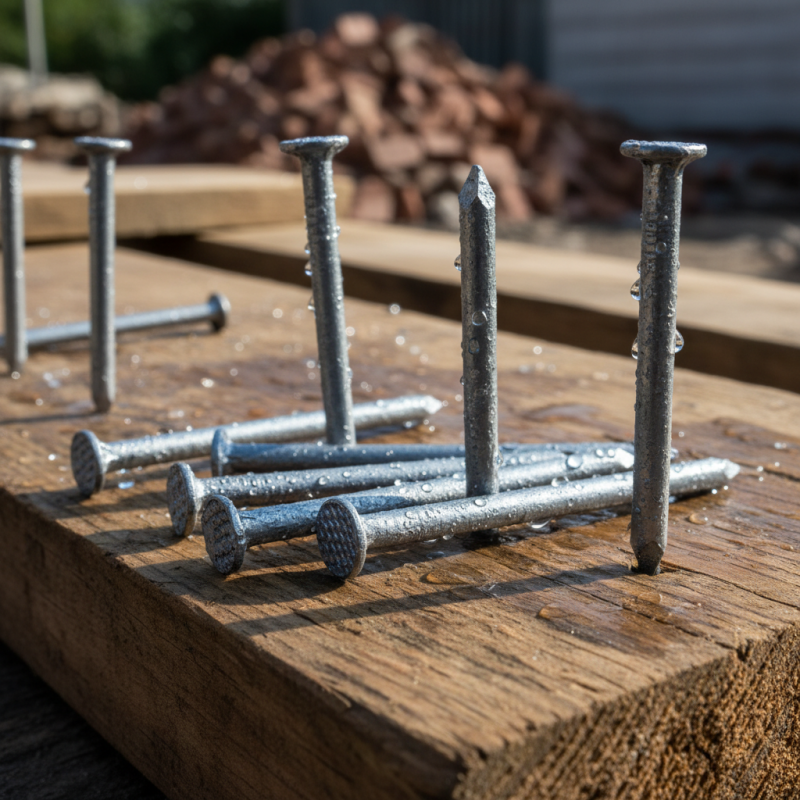
Galvanization is a critical process for producing galvanized nails. It involves coating steel nails with a layer of zinc. This protective zinc coating prevents corrosion, significantly lengthening the lifespan of the nails. According to the American Galvanizers Association, galvanized nails can last up to six times longer than their untreated counterparts in certain environments.
The process begins with cleaning the nails to remove rust and oil. The nails are then immersed in molten zinc. This method ensures a strong bond between the steel and zinc. The thickness of the coating varies, depending on the intended application. For instance, nails used in outdoor projects may require a thicker layer of zinc for better protection against harsh weather. Surprisingly, the galvanization process can sometimes lead to a finish that has a rough texture, impacting aesthetics for some users.
Not every project necessitates galvanized nails. In dry, indoor environments, untreated nails may suffice. However, using galvanized nails in more hostile conditions is prudent. The additional cost of galvanized nails often pays off in reduced maintenance and repairs over time. Yet, some builders still hesitate, weighing the upfront costs against long-term benefits. Balancing durability and expense can be tricky, prompting discussions among professionals about the right materials for each job.
Corrosion Resistance: How Galvanized Nails Enhance Durability
Galvanized nails are increasingly popular in construction and woodworking. Their primary advantage is corrosion resistance. These nails are coated with a layer of zinc, which protects them from moisture. According to industry reports, galvanized nails can withstand harsh weather conditions for years without rusting. This property is crucial in areas prone to rain or humidity.
The durability of galvanized nails is often measured by their lifecycle. Studies show that they can last up to 40% longer than standard non-galvanized nails in similar environments. However, this is not always a guarantee. Some users report premature rusting when exposed to certain chemicals. Even though galvanized nails are more resistant, they are not invincible.
Installation also requires attention. If the zinc coating is damaged during the nailing process, corrosion may occur at those points. Proper handling is essential to maintain their integrity. Despite these challenges, the advantages often outweigh the drawbacks. Galvanized nails offer a reliable solution for various projects, particularly where longevity is vital. They enhance the overall durability of the structure, providing a sense of security.
Benefits of Using Galvanized Nails
The chart above illustrates the benefits of using galvanized nails, with a focus on key factors such as corrosion resistance, increased durability, longevity, cost-effectiveness, and versatility. Each benefit is rated on a scale of 1 to 10, highlighting their importance in construction and building applications.
Applications of Galvanized Nails in Construction and DIY Projects
Galvanized nails are essential in construction and DIY projects. Their durability comes from a zinc coating that protects them from rust and corrosion. A study by the National Association of Home Builders reported that galvanized nails have a lifespan up to three times longer than regular steel nails when exposed to the elements. This makes them particularly valuable in outdoor applications.
In residential construction, galvanized nails are often used for roofing and siding. They can withstand harsh weather without degrading. However, some DIY enthusiasts may overlook proper nail selection, opting for cheaper alternatives. This can lead to structural issues over time. Additionally, using the wrong gauge can weaken connections, proving that informed choices matter.
For wooden furniture or decks, galvanized nails provide robust support. Their resistance to corrosion is vital in humid climates. The International Code Council recommends galvanized nails for pressure-treated wood, which contains chemicals that can corrode non-galvanized fasteners. Yet, some projects still use untreated nails, risking failure. Choosing the right nail can prevent future problems and ensure long-lasting results.
Cost-Effectiveness: Evaluating the Long-Term Value of Galvanized Nails
Galvanized nails are known for their durability and rust resistance. Choosing these nails can save money over time. While they may cost more upfront, their longevity often leads to fewer repairs. This can be especially beneficial in areas with high humidity. Reduced maintenance means less hassle and lower costs in the long run.
Tips: When purchasing, consider the project requirements. Not all galvanized nails are the same. Some may only suit specific tasks. Take time to compare specifications and costs.
In evaluating cost-effectiveness, consider the environmental impact too. Purchasing high-quality galvanized nails means less waste. In contrast, low-cost alternatives may lead to frequent replacements. Think about whether short-term savings are worth potential long-term stress and expenses. It's a delicate balance that many overlook.
What are the Benefits of Using Galvanized Nails? - Cost-Effectiveness: Evaluating the Long-Term Value of Galvanized Nails
| Aspect | Description | Long-Term Value | Cost Comparison (per 1000 nails) |
| Durability | Resistant to rust and corrosion | High value due to longevity | $50 |
| Maintenance | Less frequent replacement needed | Lower long-term maintenance costs | $15 |
| Performance | Better holding power in wet environments | Increases overall project lifespan | $60 |
| Cost of Alternatives | Comparatively lower initial cost | Higher total costs due to replacements | $40 |
| Environmental Impact | Reduction in waste from longer lifespan | Positive long-term sustainability | N/A |
Environmental Considerations: The Sustainability of Using Galvanized Nails
Galvanized nails are popular for their durability. They withstand rust, making them ideal for outdoor projects. This longevity is an essential factor for sustainability. When we use longer-lasting materials, we reduce waste over time. Replacing nails frequently can lead to higher resource consumption, which isn't ideal.
Environmental considerations also include the production process. Galvanized nails are coated with zinc, which protects them from corrosion. However, this process uses energy and resources. It's crucial to balance this with the long-term benefits they provide. Rethinking our choices can lead to better outcomes.
Yet, there is ongoing debate regarding the environmental impact. Mining zinc has ecological effects. Depleting natural resources is a concern. If we reflect on our choices, we might explore alternatives that are equally durable but less harmful. Exploring sustainable practices requires effort and thought. Balancing durability with environmental responsibility is a challenge we face.