In today's world, the air we breathe is crucial for our health. A medical air purifier serves as a frontline defense against airborne contaminants. Dr. Emily Carter, a leading expert in respiratory health, emphasizes, "Clean air is essential for healing and well-being." Her words resonate deeply, especially as we navigate through various health challenges.
With rising pollution levels and an increase in respiratory illnesses, the advantages of a medical air purifier are significant. These devices not only filter out dust and allergens but also capture viruses and bacteria. The use of HEPA filters enhances their effectiveness, ensuring cleaner air. For those with allergies or asthma, such purifiers can provide considerable relief. Imagine breathing air free from harmful particles – it’s not just a luxury, but a necessity.
However, it’s essential to choose the right purifier. Not all units are created equal. Some may lack the necessary technology or certifications. Investing in a quality medical air purifier is crucial for ensuring optimal health benefits. It’s a reminder that even in our efforts to breathe easier, we must remain discerning and knowledgeable about our choices.
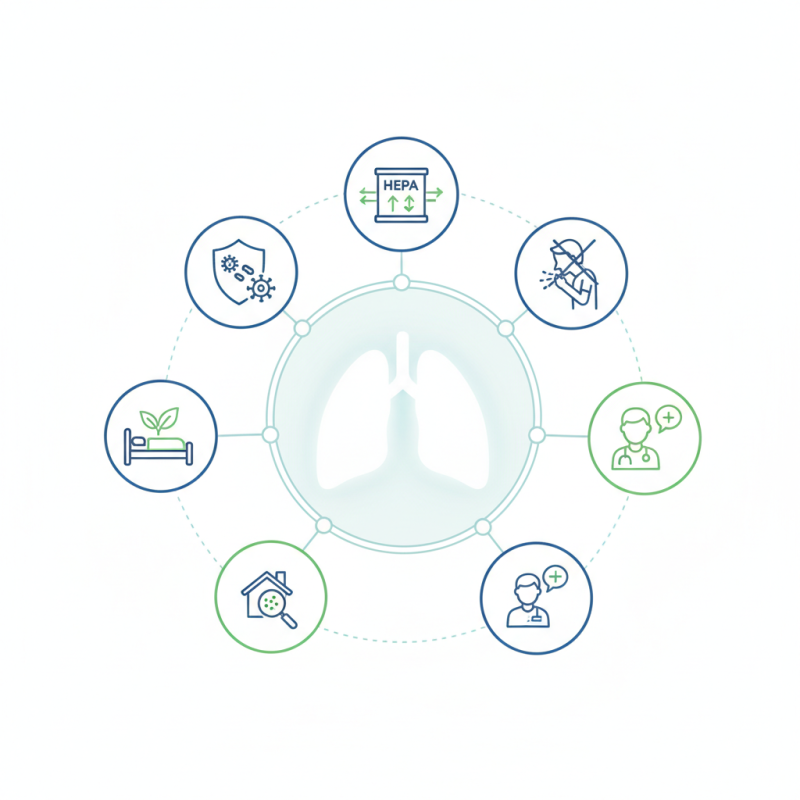
Indoor air quality is a major concern for health. According to the World Health Organization, poor air quality can lead to serious health issues. Reports show that indoor air can be 2 to 5 times more polluted than outdoor air. This is alarming considering that people spend about 90% of their time indoors.
Using a medical air purifier can greatly improve indoor air quality. These devices are designed to remove harmful particles like dust, pollen, and bacteria. Studies reveal that air purifiers can reduce airborne pollutants by up to 99%. For those with respiratory issues, cleaner air can lead to fewer attacks and better overall health.
While many believe their homes are safe, invisible pollutants can linger. Allergens and volatile organic compounds (VOCs) often exist without obvious signs. Limits on air quality can sometimes be oversimplified. Improvements can be made, yet full air quality cannot guarantee safety alone. Even with a purifier, regular maintenance and cleaning remain essential for a truly healthy environment.
Air purifiers provide numerous health benefits by improving indoor air quality. The following chart illustrates the top ten advantages of using a medical air purifier, highlighting the percentage of users who experienced each benefit.
Air quality significantly impacts our health. Medical air purifiers focus on eliminating allergens and respiratory irritants in indoor environments. According to the Environmental Protection Agency (EPA), indoor air can be two to five times more polluted than the outdoors. This is alarming, especially for those with allergies or asthma.
Air purifiers work by trapping dust, pollen, and pet dander, removing them from the air we breathe. A study published in the Journal of Asthma showed that using air purifiers led to a 50% reduction in inhaled allergens. This can provide relief for sensitive individuals. Yet, while air purifiers help, they are not a cure-all. Regular cleaning and proper ventilation remain essential.
Tips for optimizing air quality: Keep windows open when possible. This allows fresh air to circulate. Change the air purifier filters regularly to maintain efficiency. Lastly, monitor humidity levels; mold thrives in damp conditions. Small efforts can make a big difference in creating a healthier living space.
| Benefit | Description | Impact on Health |
|---|---|---|
| Reduction of Allergens | Helps remove pollen, dust mites, and pet dander from the air. | Decreases allergy symptoms and improves overall respiratory health. |
| Removal of Smoke Particles | Filters harmful smoke particles from tobacco and fire. | Reduces the risk of lung disease and respiratory issues. |
| Elimination of Odors | Reduces unpleasant smells from cooking, pets, and other sources. | Creates a more pleasant living environment, enhancing comfort. |
| Reduction of Volatile Organic Compounds (VOCs) | Filters chemical vapors from paints, cleaners, and furnishings. | Lowers risk of headaches, dizziness, and long-term health effects. |
| Improved Air Quality | Enhances overall air quality by removing harmful particles. | Promotes better health outcomes and overall well-being. |
| Support for Asthma Management | Helps control airborne triggers that can exacerbate asthma. | Reduces asthma attacks and improves quality of life. |
| Reduction of Bacteria and Viruses | Filters and reduces airborne pathogens in the environment. | Helps lower the risk of infections and illnesses. |
| Increased Comfort | Improves breathing comfort in allergy-prone environments. | Enhances daily living experience and overall satisfaction. |
| Protection for Vulnerable Populations | Benefit for children, the elderly, and those with chronic conditions. | Provides a safer environment for sensitive groups. |
| Connection to Overall Wellness | Encourages proactive health management through better air. | Fosters a holistic approach to health and well-being. |
Medical air purifiers have gained attention for their effectiveness in improving indoor air quality. One of the major benefits is enhanced protection against viruses and bacteria. These devices use advanced filtration systems that can capture even the smallest pathogens. This feature is crucial in preventing the spread of illnesses in medical facilities.
Tips: Regular maintenance of the purifier is essential. Change filters as recommended for optimal performance. Monitor air quality levels to ensure the device is working effectively.
In hospitals and clinics, the risk of airborne infections is significant. Using a medical air purifier can reduce this risk considerably. Yet, understanding its limits is vital. It should supplement, not replace, traditional hygiene practices like handwashing.
Tips: Educate staff about proper usage. Encourage them to report any issues with the purifier. Balance air purifier usage with good ventilation. This dual approach provides a more comprehensive defense against harmful particles.
In today's fast-paced world, quality sleep often eludes many individuals. A medical air purifier can play a crucial role in enhancing sleep quality. By removing allergens, dust, and pollutants, it creates a cleaner sleep environment. Imagine waking up refreshed, without the morning sneezes or headaches. Just think about what a difference that could make in your daily life.
Better air quality directly affects the quality of sleep. When the air is clean, your body can relax, allowing for deeper sleep cycles. This leads to improved mood and productivity during the day. Yet, we sometimes overlook the importance of a clean environment. Many people tend to focus solely on routines or supplements. They forget the air they breathe at night matters, too.
A medical air purifier can also help mitigate anxiety. Breathing clean air can soothe a racing mind. As distractions fade, one can focus on relaxation. However, achieving this is not without challenges. Some may resist change, clinging to old habits while dismissing air quality's impact. Striking a balance between comfort and health is essential. Addressing this can lead to overall well-being and peace of mind.
When considering health care, cost-effectiveness is vital. Investing in a medical air purifier can lead to significant long-term savings. By reducing airborne pollutants, these devices can lower the risk of respiratory diseases. Healthier patients often translate to fewer hospital visits and less medication.
To maximize your savings, choose a model with a HEPA filter. This type of filter captures tiny particles from the air. Regular maintenance is also critical; change filters as recommended to keep the device running efficiently.
Additionally, consider the placement of your air purifier. Placing it in high-use areas, like the living room or bedroom, can improve air quality where it matters most. However, understand that no solution is perfect. Air purifiers do not replace good cleaning habits. Regular dusting and vacuuming are still necessary for optimal health.